
Essential Health Tests Every Woman Should Prioritize This New Year
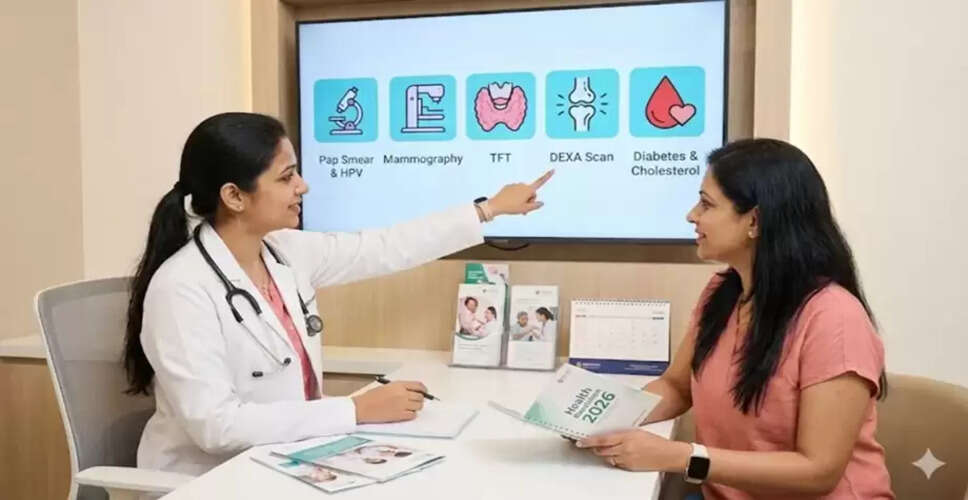
Prioritizing Women's Health in the New Year
In the hustle and bustle of modern life, many women often overlook their health while juggling family and work responsibilities. However, it’s crucial to remember that good health is invaluable. This year, every woman should commit to prioritizing her well-being.
Maintaining a healthy lifestyle is vital, along with undergoing regular health screenings to catch any potential issues early. Health checkups play a significant role in identifying diseases at their onset. Here are five essential health tests that every woman should consider.
1. Pap Smear and HPV Test
Cervical cancer poses a serious risk to women, but timely screenings can prevent it effectively.
Importance: The Pap smear test identifies abnormal changes in the cervix.
Recommended Frequency: Women should have this test every three years starting at age 21. After 30, an HPV test may also be recommended by a healthcare provider.
2. Mammography
With the rising incidence of breast cancer, mammography is crucial. This X-ray can detect small lumps or changes in the breast that may not be felt during a physical exam.
Importance: Early detection of breast cancer significantly increases the chances of successful treatment.
Recommended Frequency: Women should undergo mammograms annually or biennially starting at age 40, or earlier if there is a family history of breast cancer.
3. Thyroid Function Test (TFT)
Thyroid disorders, such as hypothyroidism and hyperthyroidism, are more prevalent in women and can lead to symptoms like weight gain, fatigue, hair loss, and irregular menstrual cycles.
Importance: This test assesses the levels of T3, T4, and TSH in the bloodstream, as thyroid imbalances can also impact fertility.
Recommended Frequency: Women experiencing unexplained fatigue or weight fluctuations should get tested promptly. Generally, testing is advisable annually after age 30.
4. Bone Density Test (DEXA Scan)
As women age, particularly post-menopause, they face an increased risk of weakened bones, leading to osteoporosis.
Importance: This test evaluates bone strength and calcium levels, helping to mitigate the risk of fractures.
Recommended Frequency: Women should have this test after age 50 or when menopause symptoms begin.
5. Blood Sugar and Lipid Profile
With rising stress levels and poor dietary habits, women are increasingly at risk for diabetes and heart disease.
Importance: A lipid profile assesses cholesterol levels, which is crucial for reducing heart attack and stroke risks. A blood sugar test is essential for diabetes detection.
Recommended Frequency: Both tests should be conducted at least once a year after age 30.
PC Social Media