
Essential Hair Care Tips for Healthy, Shiny Locks

Hair Care Tips
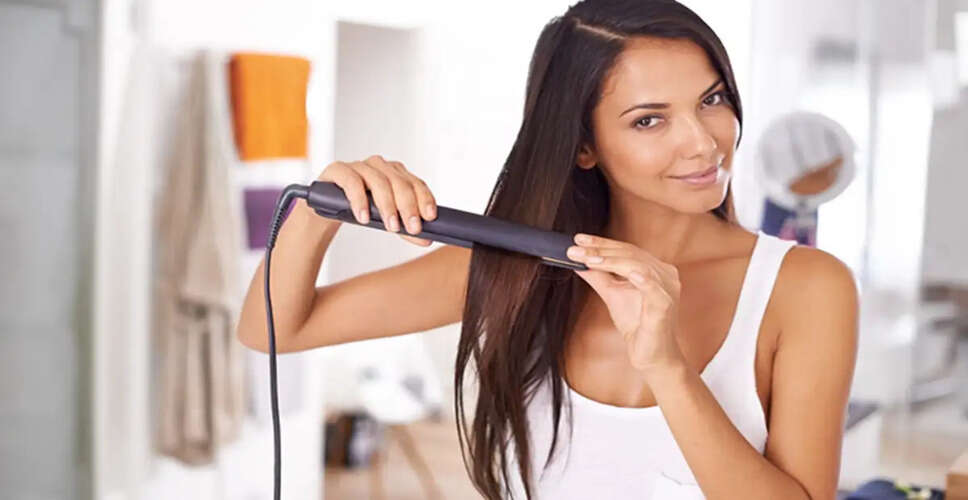
Many individuals aspire to have beautiful, shiny, and straight hair, which is why hair straighteners are popular among women. Whether you're preparing for work, a party, or a special event, a straightener can transform your hair into a sleek style in just minutes. However, if you find yourself straightening your hair daily, it's crucial to understand the potential consequences of this habit.

The high temperatures produced by hair straighteners can harm the outer layer of your hair, leading to dryness, lifelessness, and weakness. Regularly using a straightener at elevated temperatures can also heighten the chances of hair breakage and split ends.
The extent of damage varies based on your hair's condition, the temperature settings, how often you straighten, and your technique. This brings up important questions: How frequently should you use a hair straightener? Is daily use detrimental? What precautions can you take to protect your hair? Let’s explore.
Drawbacks of Daily Hair Straightening
1. Hair may become dry and lifeless
The heat from straighteners can strip moisture from your hair, leading to a loss of natural shine and a coarse texture.
2. Higher risk of hair breakage
Excessive heat can compromise the hair structure, making it more susceptible to breakage during styling or combing.
3. Split ends
Regular heat exposure can weaken hair ends, resulting in splits. Consequently, even if your hair grows longer, the ends may look damaged.
4. Diminished natural shine
Heat-damaged hair often develops an uneven surface, which detracts from its softness and shine.
5. Potential scalp and skin damage
Using a straightener too close to the scalp can cause burns, so caution is advised.
Safe Frequency for Using a Hair Straightener
There isn't a universal 'safe' frequency for hair straightening that suits everyone. However, to maintain healthy hair, it's advisable to avoid daily use of a straightener.
Typically, using it once a week or only when necessary is preferable to daily styling. If your hair is dry, color-treated, or prone to breakage, you should minimize heat exposure even more.
Proper Techniques for Using a Hair Straightener
Make sure your hair is completely dry before using a straightener, as applying heat to wet hair can cause significant damage.
Always use a heat-protectant product to help mitigate damage, though it won't provide complete protection.
Select the lowest effective temperature for your hair type and avoid excessive heat.
Avoid running the straightener over the same section of hair multiple times.
After styling, nourish your hair with a moisturizing conditioner and, if needed, a hair mask.
Maintaining Soft Hair Without a Straightener
To keep your hair healthy, condition it regularly. Avoid vigorously rubbing wet hair; instead, gently blot it with a microfiber towel or soft cotton cloth. Allow your hair to air-dry naturally and ensure adequate time between heat-styling sessions. If you notice ongoing hair breakage or a sudden change in texture, consider consulting a dermatologist.
PC Social Media