
Essential Hair Care Tips for a Healthy Scalp

Effective Hair Care Practices
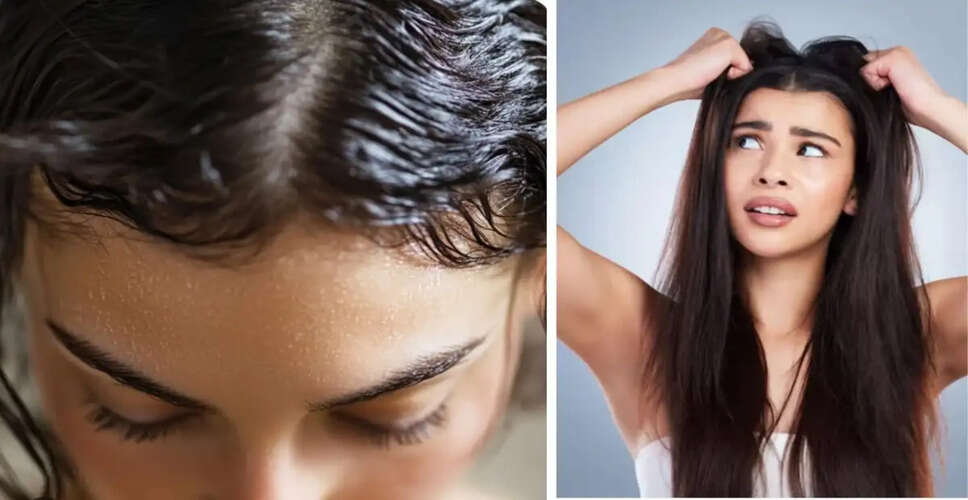
Hair Care Tips: After washing our hair, we anticipate a fresh and clean feeling on our scalp. However, there are times when, despite using shampoo, the scalp may still feel oily, sticky, or heavy. Some individuals notice that while their hair lengths appear clean, dirt tends to linger near the roots. In such situations, simply shampooing again may not resolve the issue.
The scalp naturally produces an oil called sebum. Along with this, sweat, dust, hair products, and dead skin cells can accumulate. If the washing technique is not effective, these residues may remain on the scalp. Additionally, over-shampooing or using excessively hot water can irritate the scalp.
To maintain a clean and healthy scalp, it is essential to refine your hair-washing routine. Minor details—such as the quantity of shampoo used, the method of application, the washing technique, and the choice of products—can significantly impact the results.
If your scalp feels unclean even after washing, consider these daily habits:
**Avoid applying shampoo directly to hair lengths**
The main purpose of shampoo is to cleanse the scalp. Therefore, dispense it into your hands, gently apply it to the scalp, and massage slowly with your fingertips. There’s no need to vigorously scrub the lengths of your hair.
**Don’t scrub the scalp too aggressively**
In an effort to achieve a deeper clean, many individuals tend to scratch or scrub their scalp with their nails, which can lead to skin irritation. Instead, use the soft pads of your fingers to massage gently.
**Ensure thorough rinsing of shampoo**
Sometimes, the issue lies not in the shampooing process but in how well you rinse. Use plenty of water to ensure that all shampoo is completely washed out from the scalp and hair, which is particularly important for those with thick hair.
Limit the use of hair products.
Excessive use of hair gels, waxes, dry shampoos, serums, or other styling products can result in a buildup of dirt and residue. If you frequently use such products, consider adjusting your hair-washing routine accordingly.
Do not wash your hair with very hot water
Using very hot water can leave the scalp feeling dry or irritated. Opting for normal or lukewarm water is a better choice for washing your hair.
Focus on the scalp, not just the hair length
When shampooing, it’s important to give adequate attention to your scalp rather than concentrating solely on the hair strands. Gently cleansing the hair roots and scalp is crucial, as this is where oil and sweat tend to accumulate.
Hair-washing frequency varies for each individual
A universal approach to hair-washing frequency does not suit everyone. Individual needs may vary based on factors such as having an oily or dry scalp, curly hair, or excessive sweating. It’s best to establish a routine that caters to your scalp type and lifestyle.
Simple Tips for Scalp Care
Before washing, consider your hair product requirements. Select a shampoo that matches your scalp type, and if you experience itching, burning, or redness after using a new product, stop using it and seek advice from a professional. Persistent issues such as severe itching, burning, redness, sores, pain, or unusual hair loss should not be dismissed as mere shampoo reactions; in such cases, consulting a dermatologist is advisable.
PC Social Media