
Essential Guidelines for Worship on Sawan Somwar 2026
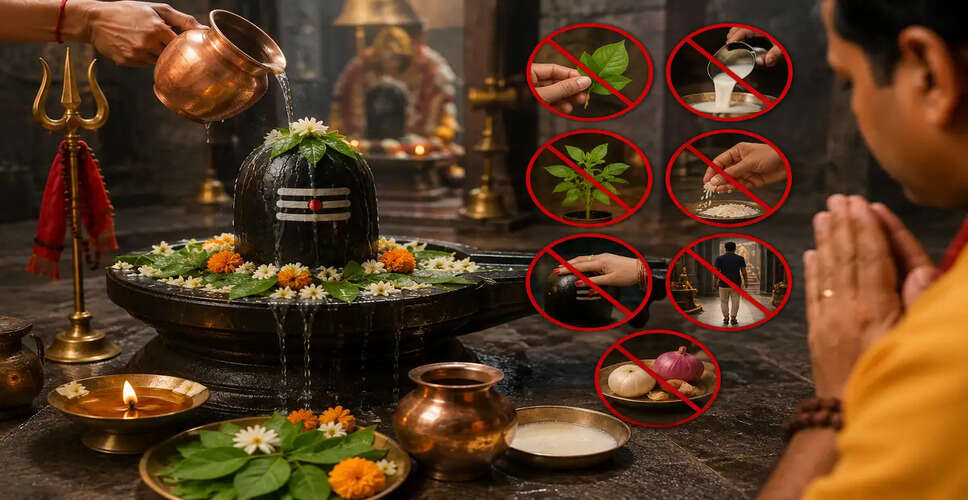

Sawan Somwar 2026: A Day of Devotion
Sawan Somwar 2026: On August 10, 2026, many regions in North India will observe the second Monday of Sawan, a significant day dedicated to Lord Shiva. This day also coincides with Som Pradosh Vrat, attracting numerous devotees to Shiva temples throughout the day.
For many, Sawan Somwar involves offering water, milk, bel leaves, and flowers to the Shivling while chanting “Om Namah Shivaya” to seek blessings. However, amidst the hustle of temple visits and rituals, devotees might inadvertently commit minor errors that contradict local customs, temple etiquette, or the essence of worship.
Religious practices can differ from one temple to another, so it’s crucial for devotees to honor the traditions observed at the temple they attend. Here are seven common pitfalls to avoid during Shiva Puja on August 10.
1. Pouring Water Too Forcefully on the Shivling
Jalabhishek is a popular ritual during Sawan, but it’s not necessary to pour large amounts of water from a height or with excessive force.
Devotees are encouraged to offer clean water gently and slowly over the Shivling.
This ritual symbolizes the calming of one’s anger, ego, and restlessness rather than showcasing the volume of offerings.
While offering water, devotees may chant “Om Namah Shivaya”.
In crowded temples, it’s also considerate to complete the ritual without obstructing other worshippers. A modest amount of water offered with sincerity is often deemed sufficient in many traditions.
2. Leaving Milk or Sweet Offerings on the Shivling
Milk, curd, honey, and sugarcane juice are frequently used for abhishek in certain Shiva temples.
However, devotees should first verify if the temple allows these offerings.
If milk or other sticky substances remain on the Shivling and surrounding jalhari for an extended period, they can lead to hygiene issues, including unpleasant odors, insects, and slippery surfaces.
Where permitted, it’s advisable to follow up such an abhishek with clean water.
If a temple only allows water, devotees should adhere to that guideline instead of insisting on milk or other items.
The value of an offering lies in devotion and respect for the temple, not in its quantity or cost.
3. Offering Damaged or Dirty Bel Leaves
Belpatra, or bael leaves, hold a significant place in Shiva worship.
A set of three connected leaves is traditionally preferred, symbolizing various concepts, including Shiva's three eyes and trident.
However, devotees sometimes prioritize collecting a large number of leaves over checking their condition.
Leaves that are rotten, heavily damaged, infested, or dirty should ideally not be offered.
Clean bel leaves can be gently washed before being placed on the Shivling. If necessary, the hard tip of the stalk may also be removed according to local customs.
If bel leaves are unavailable, there’s no need to worry. Simple worship with clean water and sincere prayer is acceptable in many traditions.
Devotees should also refrain from damaging trees to collect excessive quantities of leaves.
4. Assuming Every Flower or Leaf Is Suitable for Shiva Puja
Not every item used in general Hindu worship is appropriate for every deity.
For Shiva worship, white flowers, bel leaves, shami, aak, and dhatura are commonly used in various traditions.
However, the acceptability of items like Tulsi and Ketaki varies across texts, regions, and temples.
Instead of relying solely on social media lists, devotees should verify the customs followed at the specific temple they are visiting.
If a priest or temple administration has specified which flowers or offerings are allowed, those instructions should be adhered to.
5. Completing a Full Circle Around the Shivling Without Checking the Jalhari
A frequent mistake is performing a complete circular parikrama around the Shivling as one might do with other deities.
In many Shiva temples, devotees avoid crossing the jalhari, the channel through which abhishek water flows out.
This water is considered sacred, and a partial parikrama is typically observed. Devotees walk up to the jalhari and then return in the opposite direction instead of stepping across it.
However, temple layouts can differ.
In some temples, the main Shivling is located inside the sanctum while devotees perform a complete circumambulation of the outer shrine.
It’s best to follow the layout, signs, and established customs of the specific temple.
6. Standing Between Nandi and the Shivling
Nandi, Lord Shiva's sacred bull and devoted attendant, is typically positioned directly facing the Shivling.
In many temple traditions, devotees avoid standing or walking unnecessarily between Nandi and Shiva.
A respectful practice is to first bow before Nandi and then move slightly to one side to have darshan of the Shivling.
Some devotees also whisper wishes into Nandi's ear as part of local tradition, but this should not lead to crowding or disruption.
During busy Sawan Mondays, stopping for photographs or videos in the narrow space between Nandi and the shrine can hinder other devotees.
Maintaining order and allowing others to worship peacefully is an essential aspect of respectful temple conduct.
7. Leaving Plastic, Wrappers and Puja Waste Inside the Temple
One of the most practical mistakes during crowded religious occasions is leaving behind water bottles, milk packets, plastic bags, flower packaging, and incense wrappers.
Devotion should not compromise cleanliness.
Flowers and biodegradable offerings should only be placed in designated containers where available.
Plastic packets and bottles should either be disposed of in proper bins or taken back if no suitable facility exists.
If temple authorities prohibit certain materials, devotees should refrain from bringing them inside.
Keeping a temple clean can be seen as an integral part of the worship experience.
Avoid Stepping on Water Flowing From the Jalhari
Another important precaution involves the water flowing away from the Shivling after abhishek.
Many traditions regard this water as sacred and discourage devotees from stepping on or crossing over it.
In some temples, the drainage channel may be clearly visible. However, in crowded areas, it may be challenging to notice.
Devotees should therefore walk carefully, especially when accompanying children or elderly family members.
How to Perform Shiva Puja on August 10
A simple Sawan Somwar worship routine can begin with a bath and clean attire.
Upon arriving at the temple, devotees may first pay respects to Nandi and then proceed towards the Shivling.
Clean water can be offered slowly while chanting “Om Namah Shivaya”. Bel leaves and suitable flowers may be offered if available and permitted by the temple.
Devotees can then pray to Lord Shiva, Goddess Parvati, and Lord Ganesha.
Rather than solely asking for wealth, success, or material gains, prayers may also focus on patience, wisdom, self-control, and the strength to make better decisions.
Those observing Som Pradosh Vrat may perform another round of worship during Pradosh Kaal in the evening. Since the exact timing can vary by location, local Panchang timings should be checked.
Is Water Alone Enough for Shiva Puja?
Yes. Expensive offerings are not deemed essential for Shiva worship.
Clean water, a bel leaf when available, and sincere chanting of the Panchakshari mantra are generally considered sufficient.
Devotees need not feel pressured to prepare elaborate trays of milk, curd, honey, or flowers.
In many instances, assisting someone in need or maintaining cleanliness around the temple may hold more significance than making a grand display of offerings.
What If You Make a Mistake During Puja?
Minor mistakes made unknowingly should not lead to anxiety.
Lord Shiva is traditionally known as Ashutosh, meaning one who is easily pleased by sincere devotion.
If a devotee realizes that something was done incorrectly, they can simply seek forgiveness and follow the correct method next time.
The essence of worship is not to induce stress; it aims to foster calmness, discipline, humility, and improved conduct.
Sawan Somwar 2026: Keep Devotion Simple and Respectful
The second Sawan Monday on August 10 is expected to attract large crowds to Shiva temples. Devotees can enhance their worship experience by keeping rituals straightforward, respecting local customs, and avoiding unnecessary waste or inconvenience to others.
Offering water with a tranquil mind, using clean puja materials, respecting the jalhari, allowing others space for darshan, and maintaining cleanliness in the temple can all contribute to a meaningful spiritual experience.
Ultimately, Shiva worship transcends what is placed on the Shivling; it encompasses the attitude with which the worshipper returns home.
Letting go of anger, ego, impatience, or other detrimental habits can be as significant a personal offering as water, flowers, or bel leaves.
Frequently Asked Questions
Which Sawan Monday falls on August 10, 2026?
In many regions of North India, August 10 is recognized as the second Monday of Sawan.
How should water be offered to the Shivling?
Clean water is traditionally poured slowly and gently rather than in a forceful stream.
Should devotees complete a full parikrama around the Shivling?
Many traditions avoid crossing the jalhari and follow a partial parikrama. Temple-specific practices should be respected.
What kind of bel leaves should be offered?
Clean, fresh, and preferably three-leaf belpatra is commonly used in Shiva worship.
What should someone do after making a mistake during puja?
There is no need to panic. Devotees may seek forgiveness and follow the correct temple tradition in future.