
Essential Guidelines for Selecting the Perfect Glasses

Key Considerations for Choosing Glasses
Essential Guidelines for Selecting the Perfect Glasses: In our modern era, where mobile devices, laptops, and televisions dominate our daily lives, prioritizing eye care is crucial. Many individuals require glasses due to deteriorating vision or other ocular concerns, while others seek them for protection against sunlight and dust. With an extensive range of frames, lenses, and styles available, finding the ideal pair can be quite daunting.
Often, consumers concentrate solely on aesthetics and cost when selecting glasses, neglecting the importance of lens quality, accurate prescription, and proper fit. Choosing an unsuitable pair can result in headaches, blurred vision, and discomfort. This article outlines the essential factors to consider when purchasing glasses to ensure optimal comfort and protection for your eyes.
7 Important Factors to Consider When Purchasing Glasses
1. Schedule an Eye Examination First
Before buying glasses, it is vital to have an eye examination. Avoid determining your prescription independently; instead, consult an optometrist or eye care professional to obtain the correct lens specifications.
2. Focus on Lens Quality
When selecting glasses, prioritize lens quality alongside frame style. Various lens types are available, including:
Polycarbonate lenses: Lightweight and durable.
High-index lenses: Thinner and lighter for stronger prescriptions.
Photochromic lenses: Darken in sunlight and clear indoors.
Anti-reflective coating: Minimizes glare and reflections.
Choose lenses that align with your specific requirements and budget.
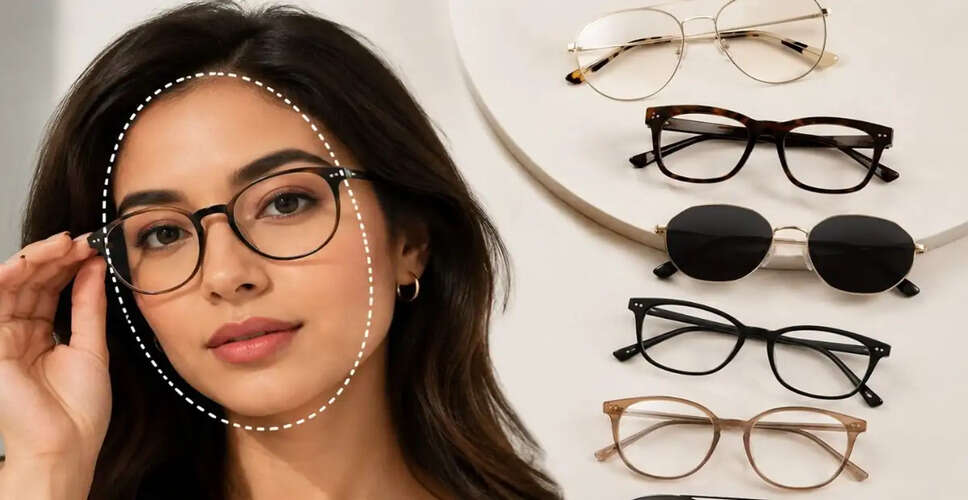
3. Select Frames According to Your Face Shape
The frames should complement your facial structure. Ill-fitting frames can lead to discomfort.
Square or rectangular frames are flattering for round faces.
Round or oval frames suit square faces well.
Oval faces can wear a variety of frame styles.
For heart-shaped faces, lightweight and balanced frames are ideal.
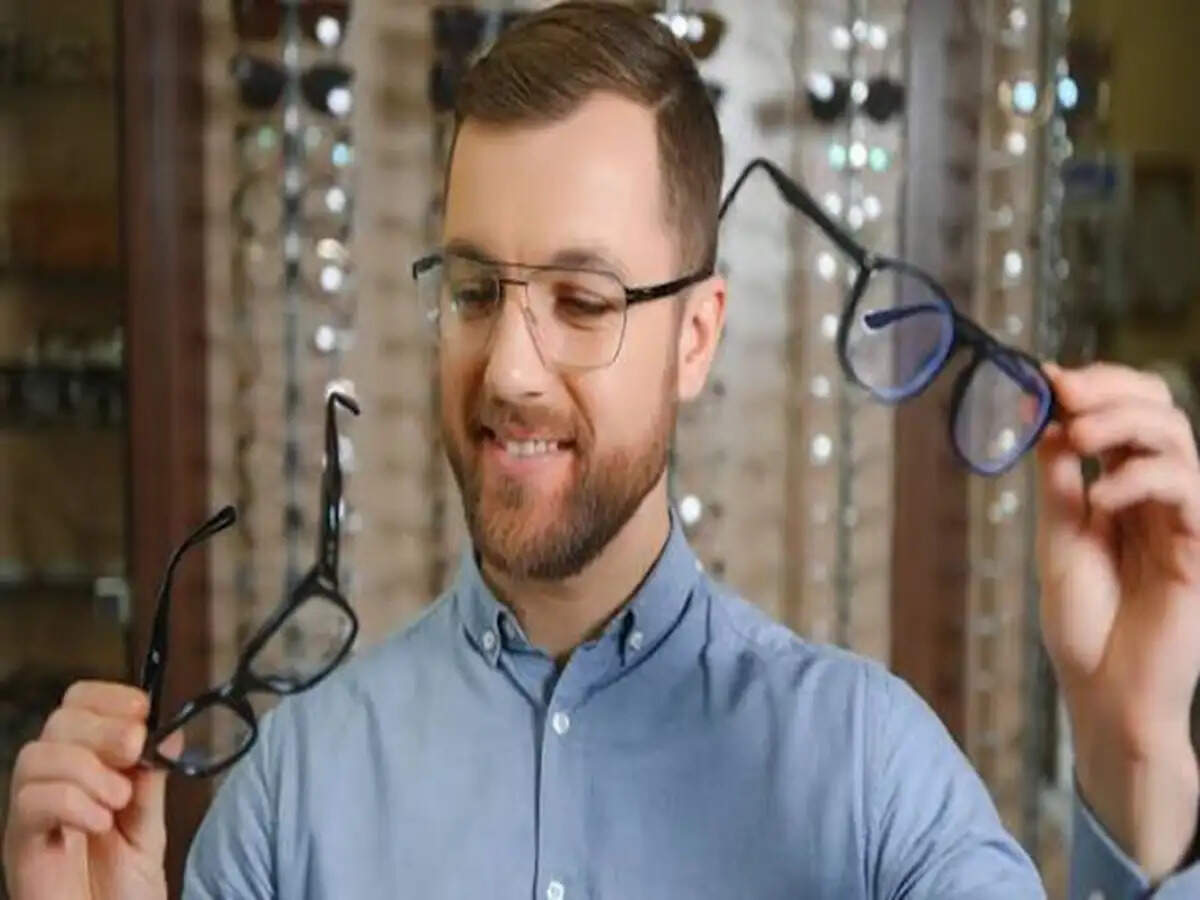
Always try on frames before making a purchase.
4. Assess the Weight and Fit of the Glasses
Your glasses should be comfortable for extended wear. Heavy frames can exert pressure on your nose and ears, so opt for lightweight materials. Ensure that the glasses fit securely without sliding down your nose or causing discomfort behind your ears.
5. Look for UV Protection
If you plan to wear glasses outdoors, ensure they offer UV400 or 100% UVA and UVB protection to safeguard your eyes from harmful ultraviolet rays. Remember, dark lenses do not guarantee UV protection.
6. Be Aware of Anti-Glare and Blue Light Filters
For those who spend long hours on computers, anti-reflective coatings can be advantageous as they reduce lens glare.
Regarding blue light filters, evidence supporting their effectiveness in preventing eye strain from digital screens is limited. Taking regular breaks from screens is a more effective strategy.

7. Prioritize Quality and Warranty Over Price
Avoid making decisions based solely on low prices. Inquire about lens and frame quality, fit, repair options, and warranty information. Additionally, ask retailers about lens coatings and care instructions. Always keep your receipt for potential complaints or exchanges.
PC Social Media