
Essential Guidelines for Maintaining Your Home Temple's Toran
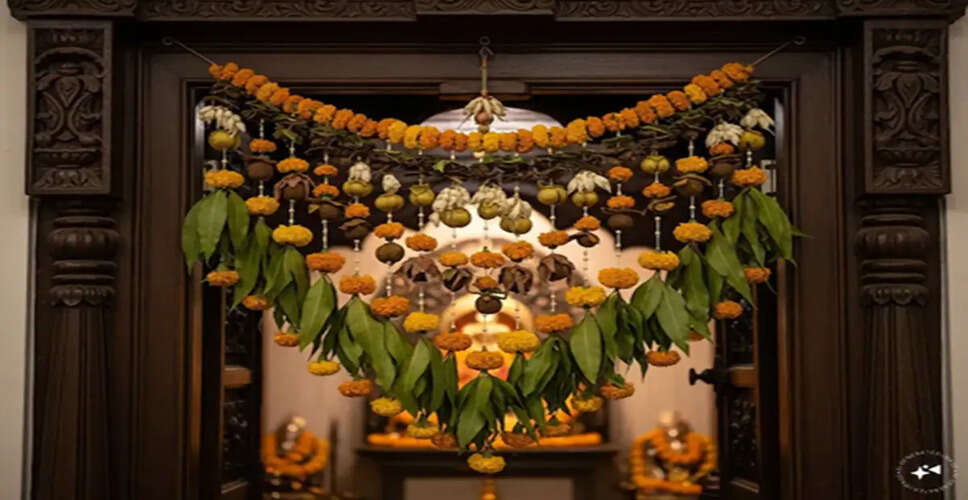

Understanding the Importance of Torans
The home temple serves as a vital source of energy that influences the overall atmosphere of your residence. Often, we neglect minor details that can lead to significant issues later on. One such detail is the *Toran*, a decorative garland typically made from mango or Ashoka leaves, which is often hung at the temple entrance. Unfortunately, many forget to remove these once they dry out.
The Consequences of Dried Torans
Neglecting to replace dried leaves can adversely affect your home's energy. According to Vastu Shastra, lifeless leaves can block positive energy and increase negativity. If you have a *Toran* in your home temple, this information is crucial.
Signs of Negativity from Dried Leaves
Fresh *Torans* enhance the temple's appearance and create a pleasant ambiance. However, as they dry, their color fades, and they lose vitality, which can negatively impact the home's energy.
In Vastu, dried leaves symbolize stagnation. If they remain at the temple entrance for too long, they can hinder the flow of positive energy. Many individuals notice an increase in stress or unexpected obstacles in their lives without any clear reason.
Effects on Daily Life
Consider a scenario where you are launching a new project or planning a significant event at home, yet you face continuous minor setbacks. Often, these issues stem from overlooked details, such as a dried *Toran*.
Guidelines for Replacing Your Toran
Replacing a *Toran* is not just about cleaning; it also serves as a spiritual and mental refresh. Therefore, it is important to do this correctly.
When to Replace the Toran
It is considered auspicious to change the *Toran* on Tuesdays, Thursdays, or Saturdays. Significant days like *Ekadashi* or *Purnima* (Full Moon) are also ideal for this task, as they help purify the environment.
Proper Disposal of Old Torans
Many people discard dried leaves in the trash, which is not the recommended practice. Instead, it is better to bury them in the soil of a plant or immerse them in flowing water, allowing them to return to nature.
Cleaning the Temple Before a New Beginning
After removing the *Toran*, it is essential to clean the temple door. You can use clean water or *Gangajal* (holy water from the Ganges) to wipe down the doorframe. Only after this should you hang a new *Toran*, ensuring the flow of positive energy remains uninterrupted.
Practical Vastu Tips
Regular Changes: It is beneficial to replace the *Toran* every 10–15 days to keep the temple atmosphere fresh.
Consider Metal Torans: If obtaining fresh leaves is challenging, consider using *Torans* made of brass or copper, which are durable and visually appealing.
Attention to the Main Entrance: The main entrance should also be free of dried leaves. Many households leave old *Torans* hanging for months, which can negatively affect the home over time.
The Importance of Small Habits
Maintaining the home temple is a simple task, yet even minor negligence can lead to significant consequences. Promptly removing dried *Torans* and replacing them with new ones is not just a ritual; it is essential for sustaining a harmonious atmosphere in your home. If you desire peace and smooth progress in your endeavors, paying attention to these small details is crucial.
Social Media
PC Social Media