
Essential Guidelines for Handling Karwa Chauth Puja Items

Understanding the Importance of Karwa Chauth Items
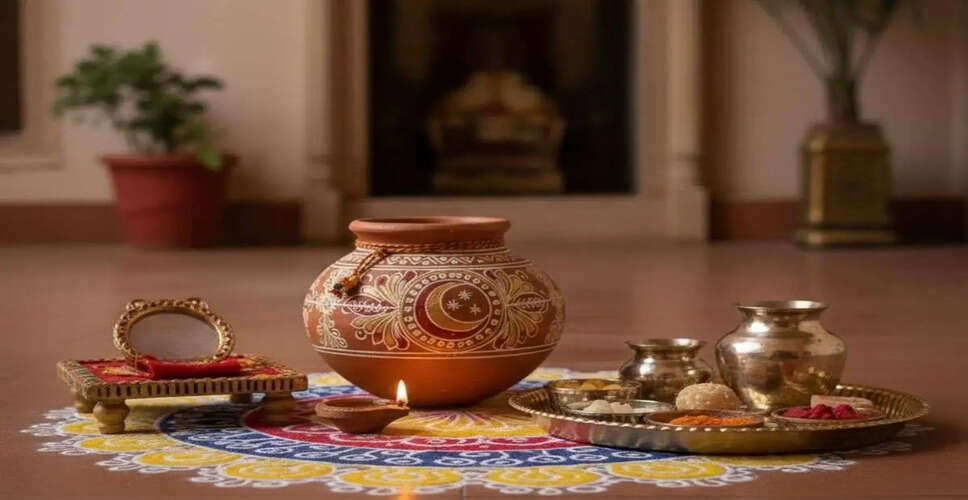
The Karwa Chauth fast is deeply meaningful for married women, making the associated items equally significant. Many women often wonder about the proper handling of the puja materials once the fast is completed. A frequent query is regarding the fate of the earthen *karva* (pot) after the conclusion of the fast.
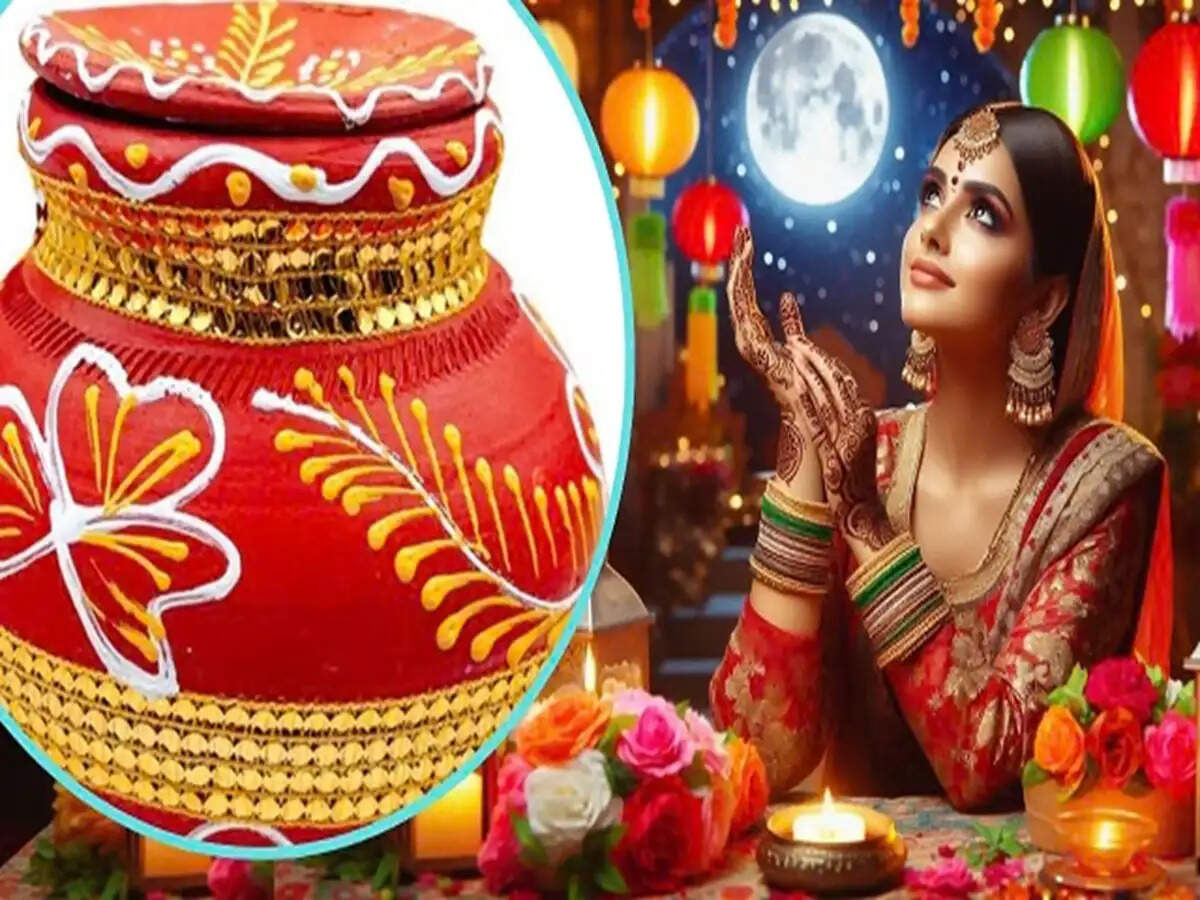
There are numerous religious customs related to this, although not all are universally accepted. To clarify these practices, we consulted Pandit Manish Sharma, an astrologer from Ujjain. He stated, "The ideal approach for any puja material is *visarjan* (ritual immersion). Traditionally, the *bayana* (offerings/gifts) from the Karwa Chauth puja should be consumed or accepted, and the *karvas* can be reused. Additionally, there are respectful and religiously appropriate ways to utilize these items."
Proper Disposal of the Earthen *Karva*
What to do with the earthen *karva*?
The *karva* utilized during Karwa Chauth can be repurposed for the Ahoi Ashtami puja. If it remains intact, it can be cleaned and stored in a dry location for next year’s festivities.
If the *karva* is unadorned—free from paint or harmful decorations—and has adequate drainage, it can serve as a pot for cultivating a *tulsi* (holy basil) plant or other greenery.
In the event that the *karva* is broken, you can either mix the fragments into the soil in a clean area or immerse them in clean, flowing water.
Handling Rice and Grains from the *Karva*
What to do with the rice and grains inside the *karva*?
During the puja, rice, wheat, or other grains are placed within the *karva*. In religious customs, these food grains symbolize auspiciousness and prosperity. If the rice and grains are clean and suitable for consumption, they can be incorporated into your meals. However, these grains should not be donated. Alternatively, you may choose to feed them to birds.
Preserving the *Seenk* Used in the Puja
What to do with the *seenk* (thin sticks/reeds) used in the puja?
The *seenk* from the Karwa Chauth *puja* can be saved for future rituals. Ensure they remain unbroken; if they do break, you can plant them in your flower pots.
Conclusion
These guidelines provide a respectful approach to handling the items used during the Karwa Chauth puja, ensuring that traditions are honored while also promoting sustainability.