
Essential Guidelines for Chaitra Navratri 2026 Fasting
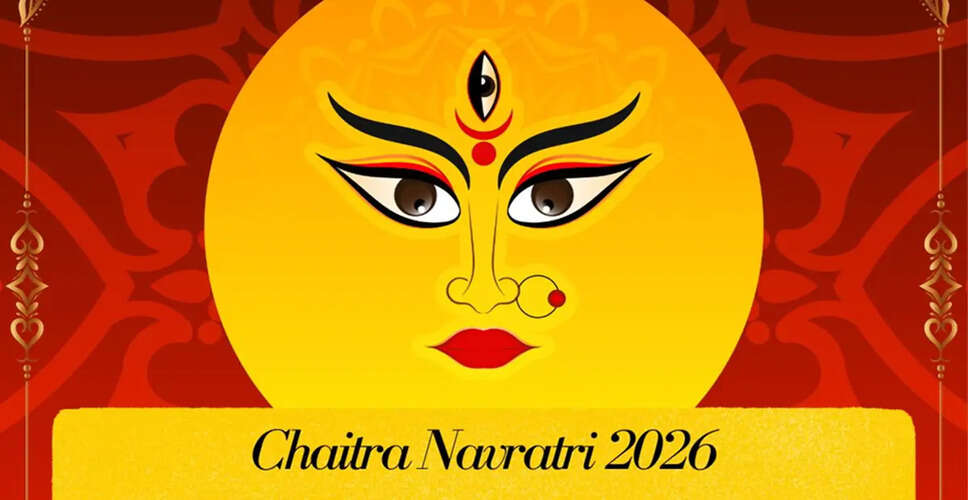
Chaitra Navratri 2026 Fasting Guidelines
Chaitra Navratri 2026 Observance Rules: This year's Chaitra Navratri commences on Thursday, March 19th. Throughout these nine days, devotees honor the nine incarnations of Goddess Durga, engage in fasting, and conduct havans. Fasting for the entire duration can be quite challenging. As a result, some individuals choose to fast only on the first day and on Durgashtami. Let's delve into the fasting guidelines for Chaitra Navratri for those who opt for this approach. Not adhering to these rules may hinder the full spiritual benefits of the fast.
Chaitra Navratri 2026: Guidelines for Initial and Ashtami Fasts
Individuals who observe fasts on the first day and Ashtami of Chaitra Navratri are referred to as performing the beginning and concluding fasts, or Yugma fasts. These fasts also necessitate strict adherence to specific rules.
On the inaugural day of Chaitra Navratri, known as Chaitra Shukla Pratipada, one should take a morning bath and don clean attire. Following this, hold Akshat (rice flour), red flowers, and water in your hand, and make a vow to observe the Chaitra Navratri fast while worshiping Goddess Durga. This declaration signifies your commitment to fasting on both the first day and Ashtami while honoring the Goddess.
After making this vow and performing the worship, set up a Kalash (urn) and ignite an eternal flame (Akhand Jyoti) at the worship site. If setting up a Kalash is not feasible, you can forgo it but should still light an eternal flame for Goddess Durga. If lighting an eternal flame is also not possible, you may light a ghee lamp during morning and evening prayers.
During the fasting period, you may consume fruits, milk, nuts, and juices, or opt for Satvik meals, which include dishes made from buckwheat flour, water chestnut flour, sago, and rock salt.
Throughout the fast, it is essential to avoid Tamasic foods, including onions, garlic, meat, and alcohol. Additionally, refrain from consuming grains such as wheat, rice, and lentils.
Even if you are not fasting for the entire nine days, it is crucial to maintain celibacy during Navratri.
During this sacred time, steer clear of negative emotions such as lust, anger, greed, and attachment. Strive to maintain harmony in your home and surroundings.
Worship Goddess Shailputri on Pratipada and Goddess Mahagauri on Durgashtami, followed by performing Kanya Puja.
Conduct the Navratri havan on Durgashtami to dispel negativity from your home.
Conclude your fast on Mahanavami. In various regions, individuals break their fast only after completing the Navratri havan and receiving prasad. In some areas, the fast is concluded on Mahanavami, while in others, it is on Dashami. Follow the customs prevalent in your locality when breaking the fast.
By observing the Chaitra Navratri fast in this manner, you will invite auspicious outcomes into your life.