
Essential Guidelines for Assisting Someone During an Epileptic Seizure
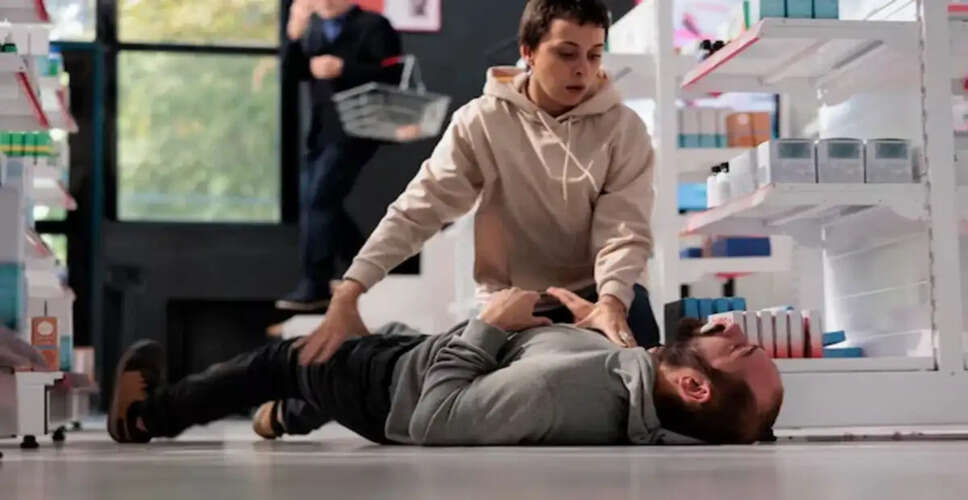
Understanding Epileptic Seizures
Experiencing an epileptic seizure can be terrifying, not just for the individual affected but also for those nearby.
In such moments, panic can lead to mistakes that may harm the person having the seizure. If you find yourself in this situation, your primary focus should be on ensuring their safety. Here’s how you can effectively support someone during an epileptic seizure.
Steps to Ensure Safety During a Seizure
Stay Calm: Your calm demeanor is crucial as it helps you assist the patient more effectively.
Remain with the Individual: Never leave the person alone; stay by their side until the seizure concludes.
Clear the Area: Remove any objects that could potentially cause harm, such as sharp items or furniture.
Check for Medical Identification: Look for any medical bracelets or ID cards that might provide details about their condition and emergency contacts.
Positioning: If they are on the ground, gently roll them onto their side to keep their airway clear and minimize choking risks.
Timing: Note the time when the seizure starts. If it lasts longer than 5 minutes, seek emergency medical assistance.
Precautions for Severe Seizures
In cases of severe seizures, where the person may lose consciousness or have intense convulsions:
Guide them gently to the ground to prevent injury.
Place a soft object under their head.
If they wear glasses, carefully remove them.
Loosen any tight clothing around their neck to aid breathing.
Common Mistakes to Avoid
Do Not Restrain: Avoid holding the person down or trying to stop their movements, as this can lead to injuries.
Do Not Put Anything in Their Mouth: Contrary to popular belief, placing objects in their mouth can cause serious harm, including broken teeth or jaw.
Do Not Offer Food or Drink: Wait until they are fully alert before providing anything to eat or drink to prevent choking.
Do Not Perform CPR: Most individuals will resume normal breathing after a seizure without the need for CPR.
When to Seek Medical Help
Contact a healthcare professional if:
- The seizure lasts longer than 5 minutes.
- A second seizure occurs immediately after the first.
- The seizure happens while the person is in water.
- The individual is pregnant, has diabetes, or has sustained an injury.
- This is their first seizure.
After the seizure, once the person is conscious, help them to a safe location, speak to them gently, and explain what occurred. Assist them in contacting their family.