
Essential Guide to Understanding Oximeter Readings for Healthy Oxygen Levels


The Importance of Blood Circulation
Proper blood circulation is crucial for a healthy body, ensuring that all organs operate effectively. Hemoglobin, a vital protein in the bloodstream, plays a key role in transporting oxygen throughout the body. Adequate oxygen supply is essential for cell health; a lack of it can lead to cell death.
Health Risks Associated with Low Oxygen Levels
Several health issues can cause a decrease in oxygen levels in the body, which is a serious concern.
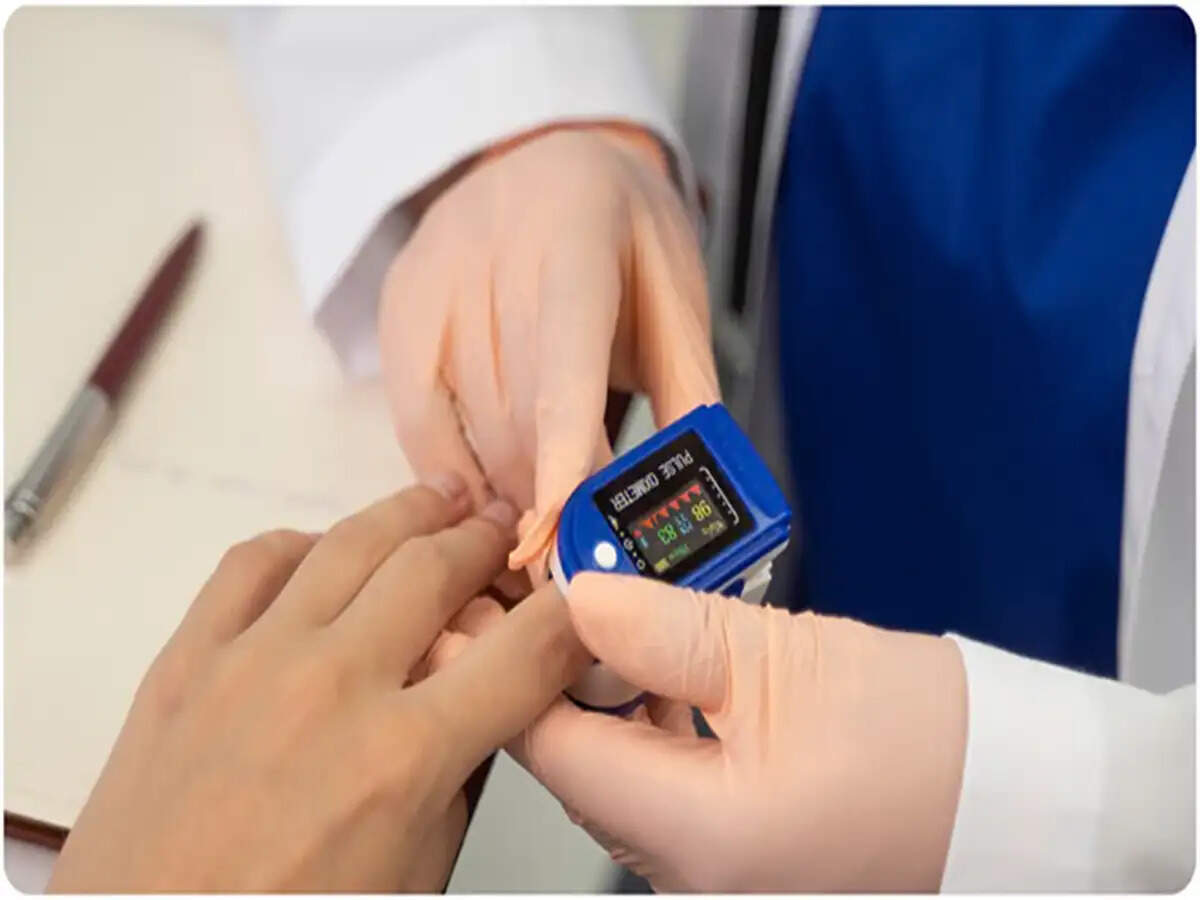
Breathing difficulties are often the first sign of low oxygen levels. An oximeter, a device placed on the finger, is used to measure blood oxygen levels. Are you familiar with the correct way to use an oximeter?
How Oximeters Work
An oximeter provides readings of the body's oxygen levels. In healthy individuals, oxygen saturation (SpO2) usually falls between 95% and 100%. However, this can drop due to certain health conditions or high altitudes. A significant decrease in oxygen levels can impact vital organs, making it essential to consider both symptoms and oximeter readings.
Decoding Oximeter Readings
Understanding Oximeter Readings
The oximeter displays two key figures: SpO2 and PR (pulse rate).
SpO2 indicates the percentage of hemoglobin in the blood that is saturated with oxygen.
PR refers to the pulse rate, which shows how many times the heart beats in a minute. For resting adults, a normal pulse rate typically ranges from 60 to 100 beats per minute.
Experts recommend that if an oximeter consistently shows an SpO2 level below 90%, or a pulse rate below 60 or above 120, immediate attention is warranted. These readings may signal a serious health issue that needs prompt evaluation.
When to Seek Medical Attention
When to be concerned
Oximeter readings help assess whether your blood oxygen levels are normal. For most healthy individuals, readings between 95% and 100% are standard. If the reading falls below 90%, recheck to ensure the device is correctly positioned. If the reading remains low, consult a healthcare professional without delay.
Keep in mind that oximeter readings can sometimes be inaccurate; the device may show oxygen levels that differ from the actual values. Therefore, it’s wise to take a second reading.
Proper Usage of an Oximeter
How to use an oximeter correctly?
To ensure accurate readings, proper usage of the oximeter is essential.
Begin by sitting comfortably for a few minutes and keeping your hands still. If your fingers are cold, allow them to warm up to a normal temperature.
Then, place the oximeter on your finger and wait a few seconds for the numbers to stabilize.
If the reading is unexpectedly high or low, maintain a steady hand and measure again. If low readings persist, seek medical advice immediately.
Stay Informed
PC Social Media