
Essential Guide to Sunscreen and Makeup Application
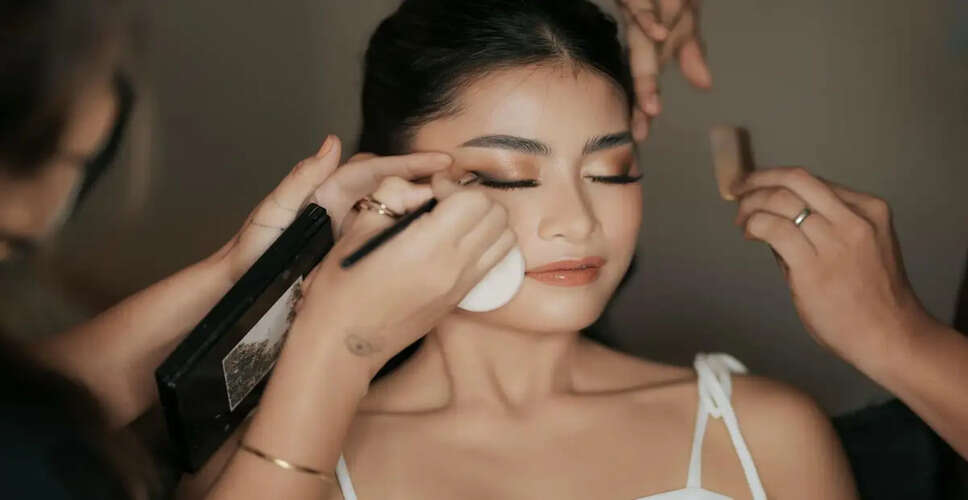

Sunscreen and Makeup Essentials
Understanding Sunscreen and Makeup: Both sunscreen and makeup play crucial roles in the skincare and grooming routines of many women. When you're out in the sun, the process is simple: apply sunscreen and you're good to go. However, for occasions like office meetings or brunches in sunny weather, skipping sunscreen is not an option, nor is it ideal to skip makeup. A common question arises: which should be applied first, sunscreen or makeup? If you're unsure, there's no need to fret. Let's explore the best way to combine these two products.
Sunscreen or Makeup: Which Comes First?
Order of Application:
While makeup application allows for some creativity, there is a strict guideline regarding sunscreen and makeup: sunscreen must always be applied first. It should be the last step in your skincare routine, just before your primer or foundation. For optimal effectiveness, sunscreen should be applied directly to clean skin, rather than layered over makeup.
Can SPF Makeup Substitute Sunscreen?
Understanding SPF in Makeup:
Many makeup products include SPF, which is beneficial. However, they cannot fully replace sunscreen. To achieve adequate sun protection using only SPF-infused makeup, you would need to apply a thick layer, which can lead to a cakey appearance. Therefore, it's essential to use a dedicated facial sunscreen first, followed by makeup with SPF for extra protection.
Step-by-Step Guide to Applying Sunscreen and Makeup
1. Cleanse Your Face:
Start by thoroughly cleansing your face. Applying skincare over dirt and oil is ineffective. Use a gentle face wash, and if you have oily skin, consider using a toner for a deeper cleanse.
2. Apply Moisturizer:
A moisturizer is vital for a successful skincare routine. It hydrates your skin and helps makeup apply smoothly. After moisturizing, wait 2-3 minutes for it to absorb before proceeding.
3. Apply Sunscreen:
Next, use a broad-spectrum sunscreen with a minimum SPF of 30. The amount needed for your face and neck is typically the length of one finger.
Pro Tip: Allow at least 15 minutes after applying sunscreen before going outside to ensure it sets properly.
4. Begin Makeup Application:
Once the sunscreen has set, you can start applying your makeup. Consider using a primer with SPF to enhance longevity and provide additional sun protection. Apply makeup gently, using a tapping motion to avoid disturbing the sunscreen layer.
Reapplying Sunscreen Over Makeup
Challenges of Reapplication:
Sunscreen needs to be reapplied every two hours, which can be tricky with makeup on. However, there are ways to refresh your sunscreen without ruining your makeup:
SPF Setting Spray: Look for spray sunscreens that can be misted over makeup without smudging.
SPF Powder or Cushion Compact: Use a matte-finish SPF powder or cushion compact, which acts like a finishing powder.
Makeup Sponge Method: For stick or liquid sunscreens, apply to a clean makeup sponge and gently dab onto your skin instead of rubbing it directly on your face.
Three Essentials for a Flawless Finish
Choose Makeup-Friendly Sunscreen: Opt for gel-based, non-greasy, and quick-absorbing sunscreens. If your skin is dry, consider a hydrating serum-based sunscreen.
Allow Time Before Stepping Out: Ensure a gap of at least 3 to 5 minutes between applying sunscreen and starting your makeup to prevent mixing or pilling.
Use Lightweight Products: Heavy creams or silicone-based primers may not set well over sunscreen. Always select lightweight products that layer easily.
Final Thoughts
Final Tips:
Always prioritize a proper skincare routine that includes sunscreen, especially when planning to wear makeup. This will ensure your skin remains protected and your makeup looks flawless throughout the day.