
Essential Guide to Selecting the Right Mask for Air Pollution

How to Choose the Right Mask for Air Pollution
As air pollution levels rise in numerous urban areas, respiratory health is becoming a significant concern. Wearing a mask during times of poor Air Quality Index (AQI) is crucial for minimizing pollution exposure. However, not all masks offer the same level of protection. This article will guide you on selecting the appropriate mask when AQI levels are low and highlight key factors to consider before making a purchase.
Which Mask is Best for Poor AQI?
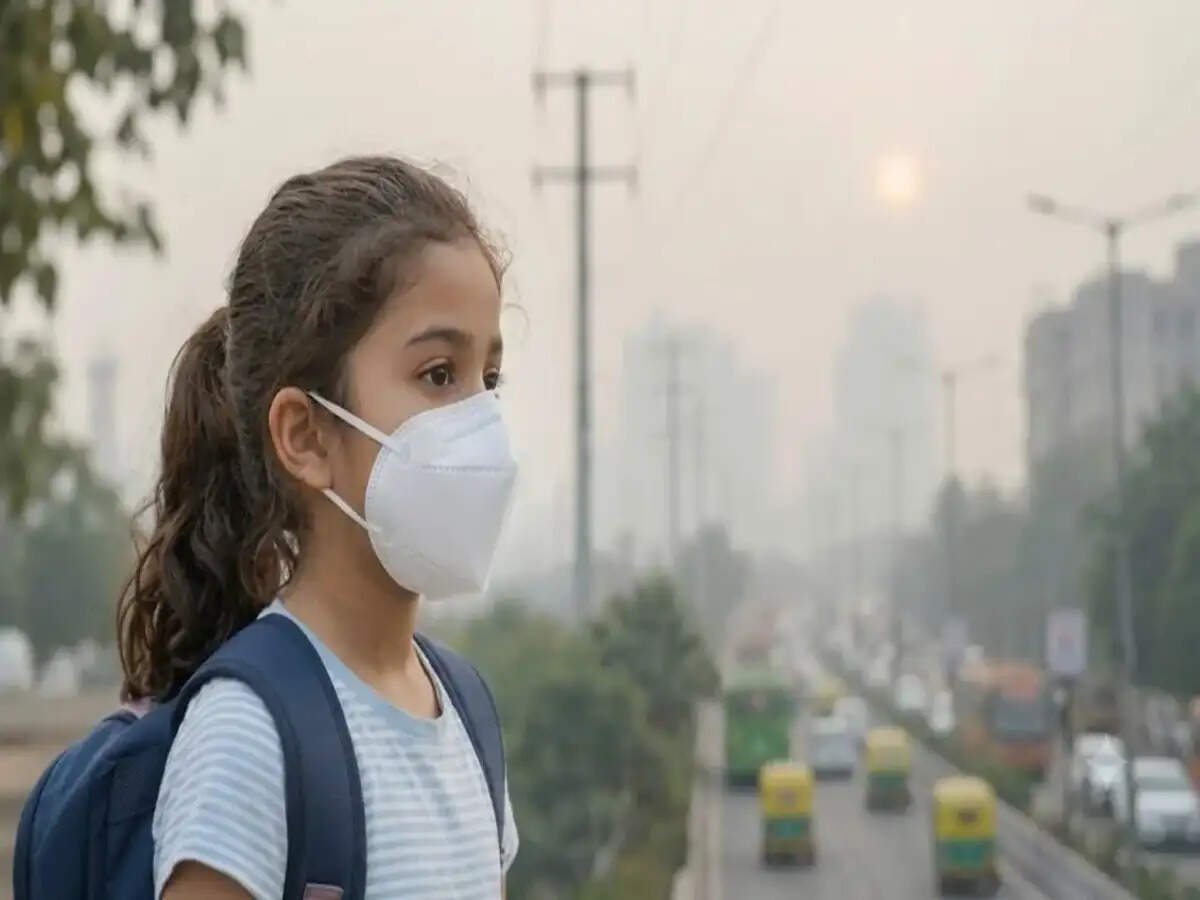
Fine particulate matter, such as PM2.5, can infiltrate the lungs when inhaled during pollution episodes. To safeguard against these particles, a properly fitted, certified particulate respirator is recommended.
1. N95 Masks: A Reliable Choice
N95 respirators are engineered to filter out at least 95% of airborne fine particles under specific testing conditions. However, this does not imply they provide complete protection against all pollutants or gases. Their effectiveness is also contingent on achieving a proper fit on your face.
2. N99 vs. N95 Masks: Understanding the Difference
Both N95 and N99 masks are classified as particulate respirators. In standardized evaluations, N95 masks filter a minimum of 95% of particles, while N99 masks filter at least 99%. However, selecting a mask should not be based solely on filtration efficiency; certification, fit, and comfort are equally vital.
3. Effectiveness of Cloth and Surgical Masks
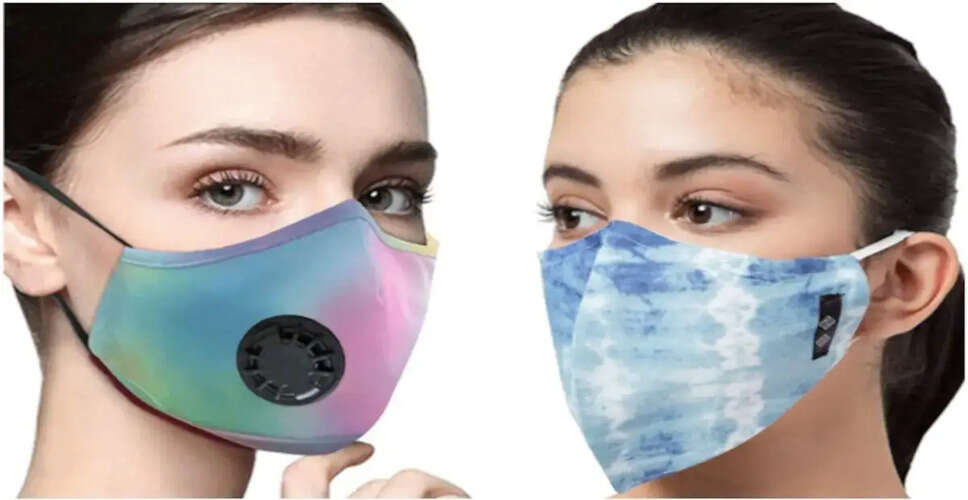
Cloth masks and standard surgical masks are designed for different primary functions. While they can block some larger particles and droplets, they are not reliable for filtering out the fine particulate matter found in polluted air. In situations with poor AQI, a well-fitted, certified respirator is a superior choice.
Key Considerations When Buying a Mask
1. Opt for Certified Masks
Always check the packaging for relevant standards and manufacturer details. For instance, a NIOSH-approved respirator should display NIOSH identification and specific model information. Merely having "N95" on the package does not ensure authenticity.
2. Ensure Proper Fit
The mask must cover your nose, mouth, and chin completely. Air leaks around the edges can diminish its effectiveness. Firmly press the nose clip and verify the seal after wearing the mask.
3. Consider Facial Hair
Facial hair can hinder the mask's ability to form a proper seal against your skin, leading to increased air leakage and reduced protection.
4. Be Aware of Breathing Difficulties
Some individuals may experience difficulty breathing while wearing a respirator. If you have pre-existing conditions like asthma, COPD, or heart disease, consult your healthcare provider for advice on the most suitable mask.
5. Replace Worn or Damaged Masks
If a mask becomes wet, dirty, or damaged, or if it makes breathing unusually difficult, replace it according to the manufacturer's guidelines. Do not wash and reuse disposable respirators.
Stay Informed and Protected
By understanding the types of masks available and their effectiveness, you can make informed decisions to protect your respiratory health during times of poor air quality.