
Essential Guide to Effective Facial Scrubbing for Radiant Skin

The Importance of Exfoliation for Healthy Skin
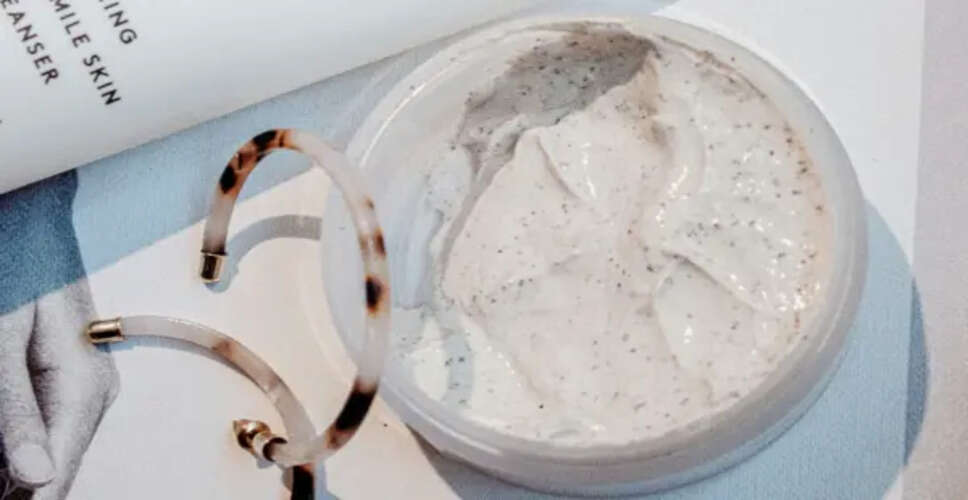
Exfoliation, or scrubbing, is a crucial step in skincare that enhances the glow and clarity of your skin. However, improper scrubbing techniques can lead to skin damage. According to skin experts, when done correctly and at the right frequency, scrubbing removes dead skin cells, revitalizing and brightening the complexion. Let’s explore the proper method for facial scrubbing, its benefits, and tips to avoid skin damage.
What is Exfoliation and Why is it Necessary?
Exfoliation is the process of removing dead skin cells from the outer layer of the skin. Daily exposure to dust, pollution, sebum, and makeup leads to the accumulation of these dead cells on the face, resulting in a dull and lifeless appearance. Proper exfoliation clears away these cells, revealing fresh skin underneath and allowing skincare products to work more effectively.
Correct Method for Facial Scrubbing
Experts recommend following these steps while scrubbing:
- Cleanse Your Face Thoroughly: Start by washing your face with a cleanser to remove dirt and makeup.
- Apply Scrub on a Damp Face: Gently apply the scrub in circular motions, avoiding harsh rubbing.
- Be Gentle on Sensitive Areas: Use a light touch around the eyes, lips, and neck.
- Limit Scrubbing Time: Do not scrub for more than 2-3 minutes to prevent irritation.
- Rinse with Lukewarm Water: After scrubbing, wash your face thoroughly with lukewarm water.
- Moisturize Immediately: Apply moisturizer right after scrubbing, as the skin may feel dry.
Key Benefits of Exfoliation
- Removes dead skin cells, making the skin appear brighter and smoother.
- Reduces issues like blackheads, whiteheads, and clogged pores.
- Enhances the absorption of skincare products (serums, creams).
- Minimizes uneven skin tone and dullness.
- Improves blood circulation, contributing to healthier skin.
Simple Tips to Protect Your Skin from Damage
Skin doctors warn that improper exfoliation can lead to redness, irritation, dryness, and even infections. Here are some tips to follow:
- Scrub 1-2 Times a Week: Over-exfoliating can weaken the skin barrier. Those with sensitive skin should limit it to once a week.
- Choose the Right Scrub: Avoid scrubs with coarse grit. Opt for fine grit or chemical exfoliants (AHA/BHA).
- Don’t Forget Sunscreen: After scrubbing, the skin becomes more sensitive to sunlight, so apply SPF 30+ sunscreen during the day.
- Be Cautious with Dry or Sensitive Skin: If your skin is very dry or acne-prone, consider using a mild chemical exfoliant instead of a scrub.
- Always Conduct an Allergy Test: Test new scrubs on your hand before applying them to your face.
- Avoid Rubbing Too Hard: Use gentle circular motions while scrubbing.
Conclusion
Experts emphasize that regular and proper exfoliation can help maintain healthy and glowing skin. However, if you experience irritation, redness, or discomfort, stop scrubbing immediately and consult a dermatologist. By adopting the right skincare routine, you can achieve a radiant complexion without harming your skin.