
Essential Foods to Boost Your Health This Winter


What to Eat as Winter Approaches
As winter sets in, the climate begins to change. The refreshing chill of the mornings and evenings can be enjoyable, but this season also brings a higher risk of infections, flu, colds, and dry skin. With the drop in temperature, our metabolism tends to slow down, which can negatively affect our immune system.
As the weather cools, many people often turn to unhealthy, greasy foods, which can lead to fatigue, weight gain, and digestive problems. To maintain energy levels, stay active, and protect against illnesses, it’s crucial to adjust your diet appropriately. At the start of winter, focus on nutrient-rich foods that provide warmth and strength to your body.
This article will guide you on what to include in your winter diet, highlight beneficial foods, and point out common dietary mistakes to avoid for a healthy season.
1. Embrace Whole Grains for Warmth
Swap out regular wheat flour for grains like pearl millet (bajra), corn (makka), sorghum (jowar), and finger millet (ragi). These grains are high in complex carbohydrates, fiber, and iron, helping you feel satiated longer while providing natural energy and warmth.
2. Seasonal Greens and Root Vegetables
Incorporate fresh leafy greens such as mustard greens (sarson), spinach (palak), fenugreek (methi), and lamb’s quarters (bathua) into your meals. These vegetables are rich in iron, vitamins A and C, and folate. Additionally, root vegetables like carrots, beetroots, sweet potatoes, and radishes enhance blood circulation and boost immunity.
3. Use Desi Ghee and Sesame Seeds Moderately
Winter often brings dry skin and joint discomfort. Adding 1–2 teaspoons of pure *desi* ghee to your daily meals can support gut health and improve the absorption of fat-soluble vitamins. The healthy fats and calcium in sesame seeds and peanuts also contribute to stronger bones.
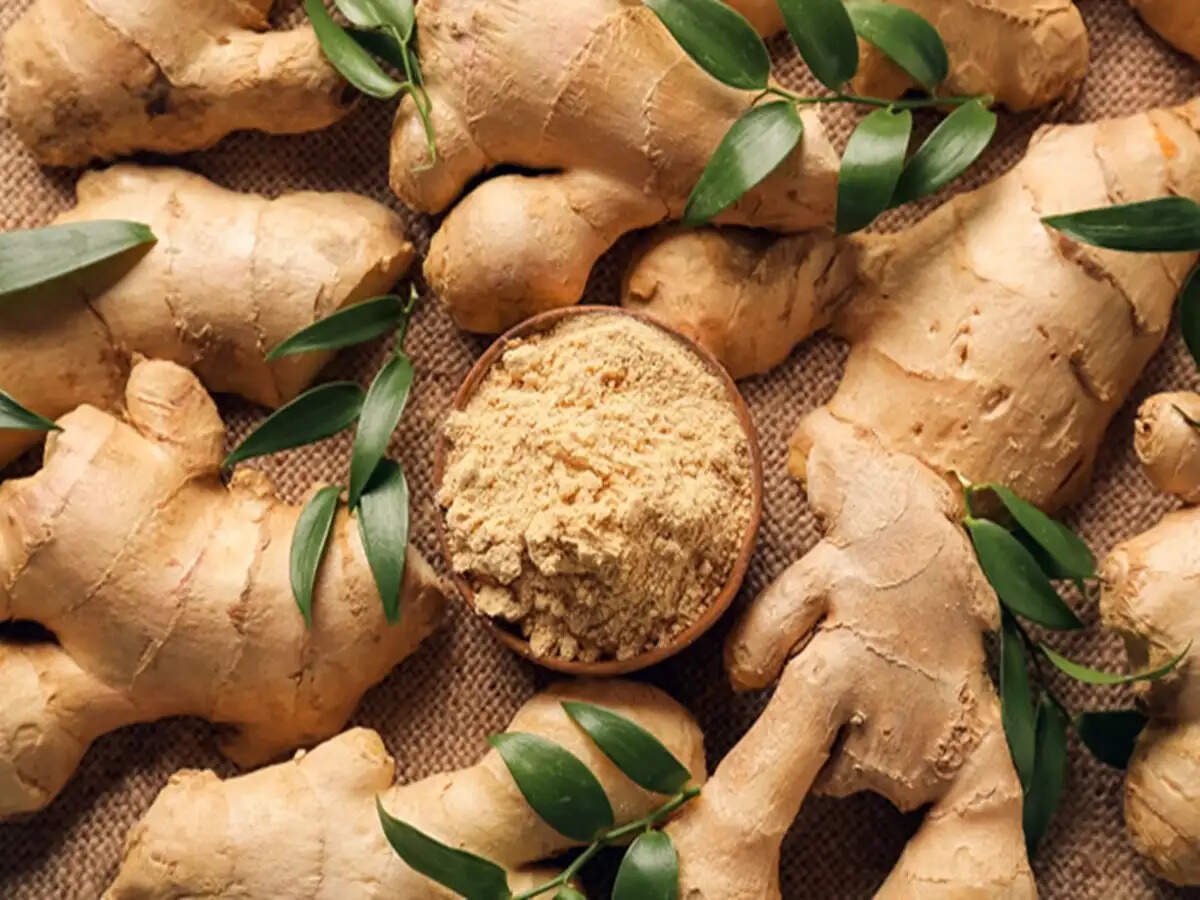
4. Natural Remedies: Ginger, Garlic, and Raw Turmeric
Kickstart your day with ginger-tulsi (holy basil) tea or a *kadha* (herbal decoction). Before bedtime, enjoy a glass of warm milk with raw turmeric. These ingredients possess antibacterial and anti-inflammatory properties that help shield you from sore throats, phlegm, and viral infections during seasonal changes.
5. Substitute Refined Sugar with Jaggery (*Gur*)
Make it a routine to have a small piece of jaggery after meals instead of white sugar. Jaggery stimulates digestive enzymes, aids in lung cleansing, and helps maintain healthy hemoglobin levels.
6. Stay Hydrated with Warm Water
In winter, you might not feel as thirsty, which can lead to dehydration. It’s important to drink enough lukewarm water, herbal teas, or warm vegetable and lentil soups throughout the day.
Stay Healthy This Winter
PC Social Media