
Essential Exercises to Avoid for Overweight Individuals

Exercises to Avoid If You Are Overweight
Weight loss has emerged as a significant fitness objective in today's world. Many individuals go to great lengths, from joining gyms to exercising at home, to achieve fitness and shed pounds. However, in their eagerness, numerous people jump into rigorous workouts without considering their current fitness levels. For those who are overweight, a considerable amount of body weight can exert pressure on the knees, ankles, and joints. As a result, certain exercises may lead to injuries rather than benefits.
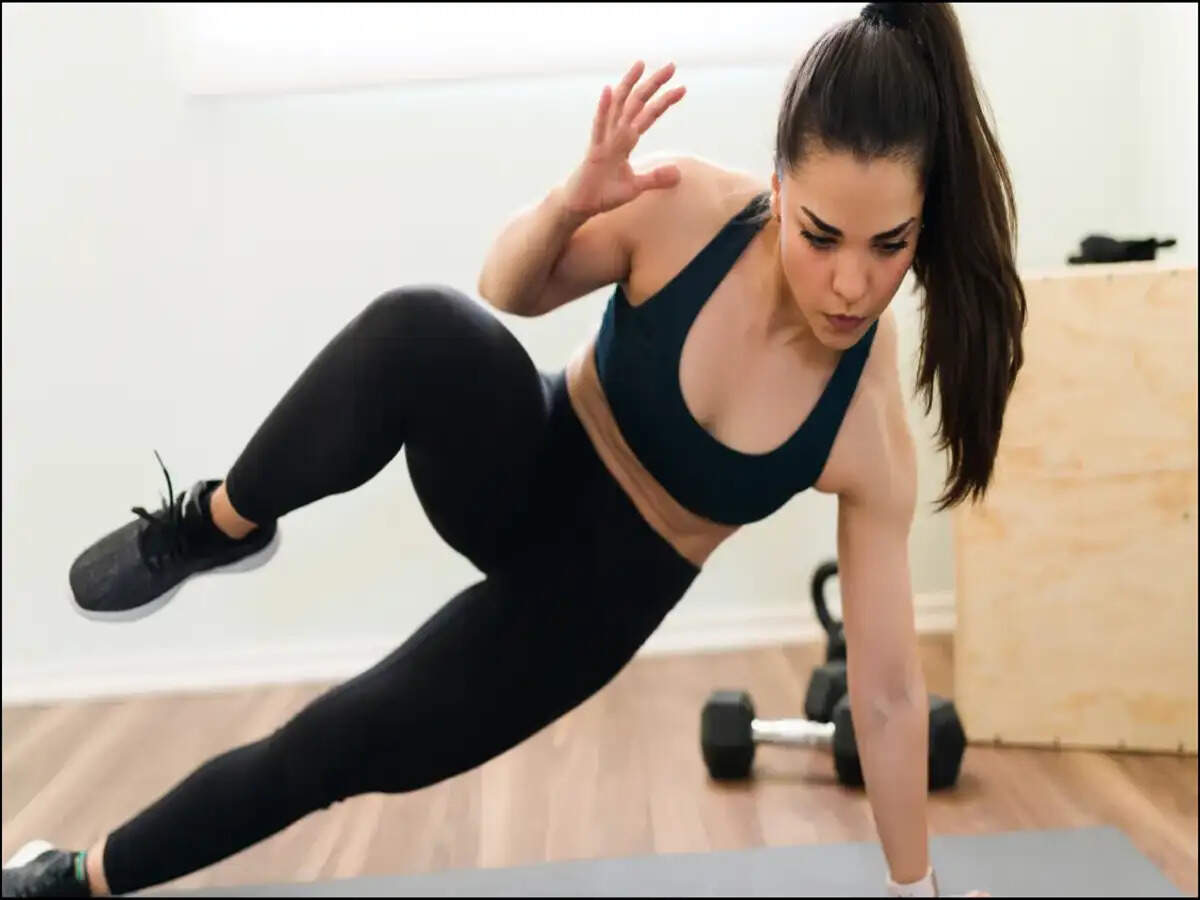
Here are five exercises that individuals carrying extra weight should steer clear of when embarking on their fitness journey, along with safer alternatives:
1. High-Impact Cardio (e.g., Running and Jogging)
Running is often the first exercise that comes to mind for weight loss. However, for those who are overweight, running can place excessive strain on the legs, far exceeding their actual body weight.
Risks: This can lead to knee cartilage deterioration, shin splints, and severe joint discomfort.
Better Alternatives: Instead of running, consider brisk walking, swimming, or cycling. These low-impact activities can help burn calories without putting undue stress on the joints.
2. High-Intensity Jumping Exercises (Box Jumps & Burpees)
Although burpees and box jumps are known for their fat-burning effectiveness, they can be risky for overweight individuals. Jumping and landing can create a sudden, heavy impact on the knees and spine.
Risk: Upon landing, the entire body weight is transferred to the joints, potentially leading to ligament tears or serious ankle injuries.
Correct approach: Instead of jumping, choose modified, non-jumping movements like stepper walks or low-impact squats.
3. Deep Squats (with Heavy Weights)
While squats are beneficial for the legs and hips, performing deep squats with heavy weights can severely damage the knees.
Risk: Incorrect form or excessive weight can put intense pressure on the kneecaps, making basic movements like sitting or standing painful.
Correct approach: Begin with "chair squats" (practicing sitting down and standing up from a chair). This method keeps the back straight and ensures controlled, safe movement for the joints.
4. Traditional Crunches and Sit-ups
Many people perform crunches to target belly fat. However, if excess abdominal fat is present, crunches can strain the neck and lower back.
Risk: This can lead to neck strain and severe lower back pain.
Correct approach: Substitute crunches with exercises like "planks" or the "bird-dog" pose. These strengthen the core without stressing the spine.
5. Straight Leg Raises
Lifting both legs while lying on your back is a common fitness myth aimed at reducing belly fat. For overweight individuals, this can place significant strain on the spine.
The downside: Weak abdominal muscles can lead to lower back compression when lifting both legs, exacerbating pain.
The correct approach: Instead of lifting both legs at once, lift one leg at a time with a bent knee, or perform safe core movements under a trainer's supervision.
While this may slow your weight-loss progress, prioritizing safety is crucial. If you are overweight, evaluate your body's capabilities before starting any gym routine. Always begin with low-impact workouts and, if needed, consult a professional fitness coach. True fitness involves losing weight while maintaining health!
PC Social Media