
Essential Dietary Tips to Prevent Kidney Stones

Understanding Kidney Stones
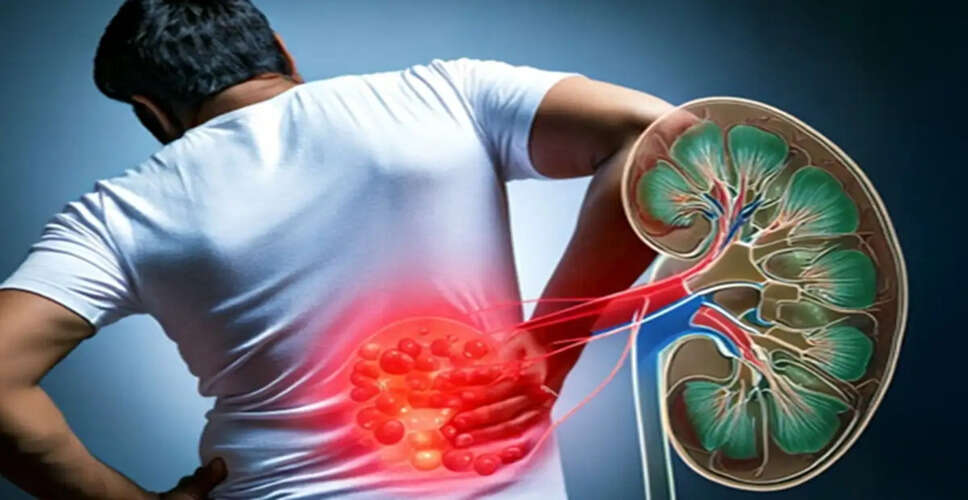
Kidney Stones Prevention: In recent times, the rise in kidney stone cases can be attributed to unhealthy eating habits and lifestyle changes. This condition occurs when minerals like calcium, oxalate, and uric acid in urine crystallize and form small stones. Over time, these crystals can evolve into larger kidney stones.
Symptoms and Dietary Impact
Individuals with kidney stones may experience severe pain in the lower back or abdomen, a burning sensation while urinating, and nausea. However, adopting a healthy diet and ensuring adequate hydration can significantly lower the risk of developing certain types of stones. Below are six dietary factors that may elevate the risk of kidney stones, along with suggestions for maintaining kidney health.
Six Dietary Factors Increasing Kidney Stone Risk
1. High-Sodium Foods
Foods such as chips, savory snacks, pickles, and processed items are often high in sodium. Excessive salt intake can lead to increased calcium levels in urine, heightening the risk of calcium-based stones.
2. Overconsumption of Spinach
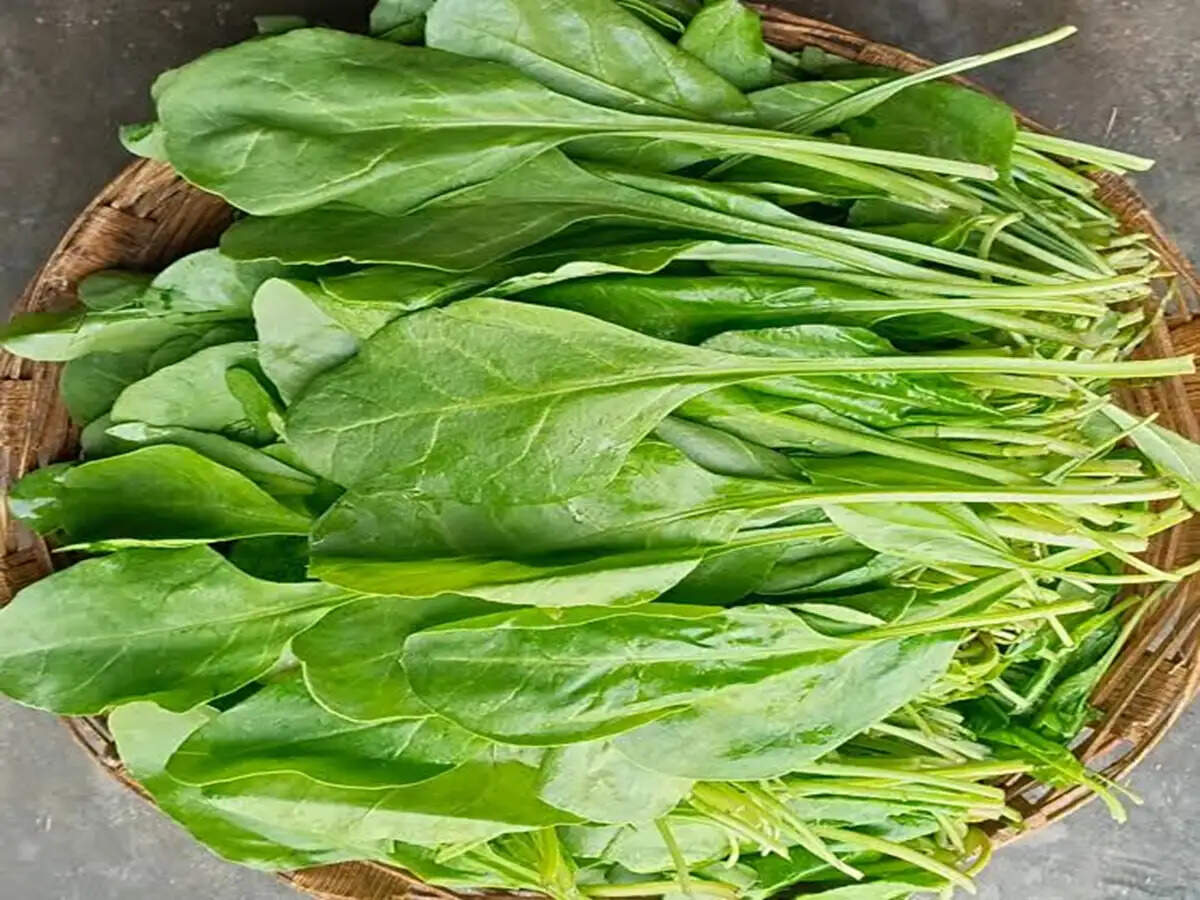
Although spinach is nutritious, it is also high in oxalate. Those susceptible to calcium-oxalate stones should limit their spinach intake. Consulting a healthcare professional can help determine the right portion size.
3. Excessive Beetroot Intake
Beetroot is nutritious but also contains oxalate. Individuals at risk for calcium-oxalate stones should avoid excessive consumption.
4. Chocolate and Cocoa
Both chocolate and cocoa are sources of oxalates. High consumption may increase the likelihood of developing calcium-oxalate stones.
5. High Intake of Red Meat and Animal Proteins
Consuming large amounts of animal proteins, including red meat, chicken, and fish, can elevate uric acid levels, potentially leading to uric acid stones. A high intake of animal protein may also increase the risk of calcium-based stones.
6. Sugary Beverages
Soft drinks high in sugar and fructose may be associated with a higher risk of kidney stones. Opting for water is a healthier alternative.
Foods That Can Help Prevent Kidney Stones

6 Foods to Consider:
- Lemon: Contains citrate, which may help prevent certain kidney stones.
- Cucumber: High water content aids in hydration.
- Watermelon: Rich in water, it helps maintain fluid levels.
- Orange: Provides citrate and vitamin C; consume in moderation.
- Yogurt: A good calcium source that can reduce oxalate absorption.
- Oats: High in fiber, beneficial for a balanced diet.
Stay Hydrated and Healthy
Maintaining hydration and making informed dietary choices can significantly contribute to kidney health and help prevent the formation of stones.