
Essential Dietary Tips for a Healthy Monsoon Season

Navigating Health Challenges During the Rainy Season
The arrival of the rainy season brings a welcome break from the heat, but it also introduces various health challenges. Health professionals frequently advise opting for light and easily digestible meals during this period. This recommendation is supported by scientific reasoning rather than just cultural practices. Ignoring dietary precautions can lead to an uptick in stomach issues, infections, and digestive disturbances.
**Impact of Humidity on Digestion:** The monsoon season sees a significant rise in humidity, which can adversely affect our digestive systems. The body's ability to digest food tends to diminish slightly during this time. Consequently, indulging in heavy, fried, or overly spicy foods may result in discomfort such as indigestion, gas, bloating, and acidity. Conversely, lighter meals are digested more swiftly and do not burden the stomach.
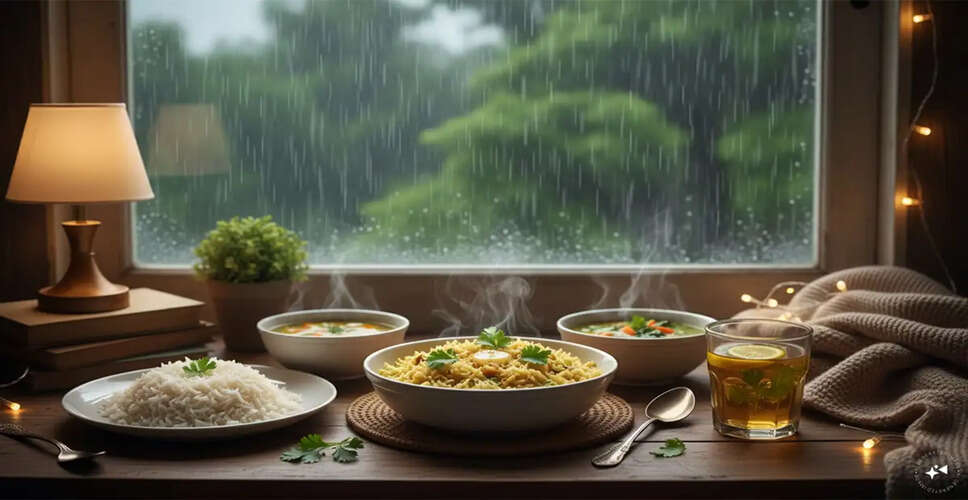
**Heightened Infection Risks:** The rainy season creates an environment where bacteria, viruses, and fungi flourish, increasing the chances of food and drink contamination. Consuming oily and spicy foods can elevate the risk of food poisoning and gastrointestinal infections. Therefore, it is wise to choose dishes like *khichdi* (a lentil and rice dish), *daliya* (broken wheat porridge), soups, *moong dal* (split green gram), boiled vegetables, and fresh, home-cooked meals.
**Nutritional Benefits of Light Meals:** Light meals are not only easier to digest but also provide essential nutrients that help sustain energy levels. Many people mistakenly believe that 'light food' means eating less, but this is not true; light meals can still be rich in protein, vitamins, and minerals. For example, a meal consisting of *khichdi*, vegetable-laden *daliya*, or simple dishes paired with yogurt can offer balanced nutrition.
**Decreased Physical Activity:** During the monsoon, physical activity often diminishes as people tend to stay indoors and exercise less. In such cases, heavy meals can lead to excess calorie intake and feelings of lethargy. Light meals can help maintain energy and prevent sluggishness. It's crucial to avoid stale food, as it can negatively impact health; staying hydrated and consuming fresh meals is vital during this season. Eating hot, freshly prepared dishes not only aids digestion but also minimizes infection risks.
In summary, opting for light meals during the rainy season is advisable as they are easier to digest, promote stomach health, reduce infection risks, and supply necessary nutrition. By embracing healthy eating habits, individuals can enjoy the monsoon while maintaining their well-being.