
Essential Cooking Tips to Preserve Nutritional Value of Your Meals
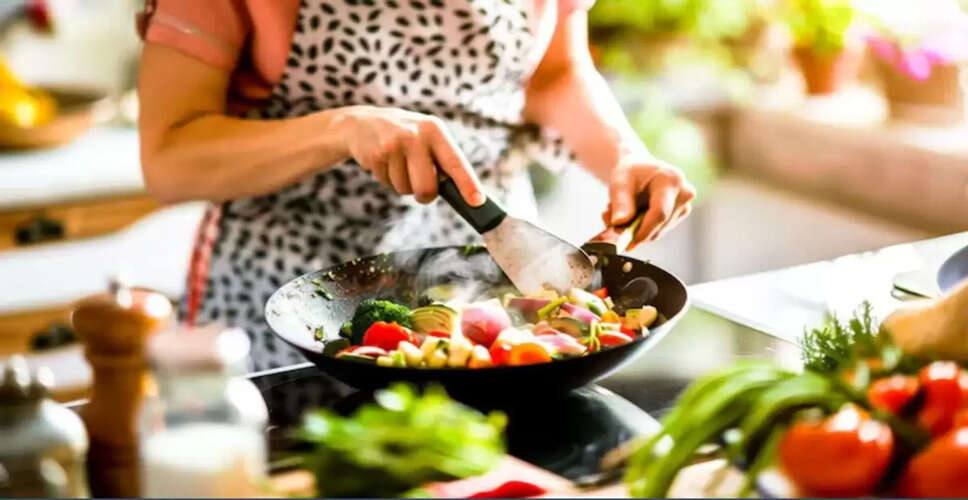
Understanding Nutritional Loss in Cooking
While we often believe that preparing meals at home is a healthy choice, certain cooking habits can inadvertently diminish the nutritional benefits of our food. Improper preparation of ingredients such as potatoes, rice, garlic, broccoli, onions, and tomatoes can lead to significant nutrient loss.
To maintain the nutritional integrity of our meals, it is crucial to adopt specific cooking practices. This not only enhances flavor but also preserves essential nutrients. Here are some common cooking mistakes to avoid.
Common Cooking Mistakes to Avoid
Potatoes: Overcooking or deep-frying potatoes can significantly reduce their Vitamin C, potassium, and fiber content. Instead, opt for light steaming or shallow frying with minimal oil.
Rice: Soaking rice for extended periods or cooking it excessively can lead to nutrient depletion, particularly Vitamin B-complex and essential minerals.
Cutting Vegetables: When vegetables are chopped into tiny pieces or left exposed for too long, they lose vital nutrients due to exposure to air and light. It's best to cut them into larger chunks and cook them right away.
Garlic: Roasting garlic until it turns brown or black can destroy its beneficial compounds, such as allicin. Lightly sautéing or using raw garlic in salads is a healthier option.
Broccoli: Prolonged boiling or covering broccoli while cooking can diminish its Vitamin C and antioxidant levels. Light steaming and serving it immediately is the optimal method.
Onions: Frying onions for too long can reduce their antioxidant properties and Vitamin C content. Cook them just until they reach a light golden brown. Additionally, cutting onions and using them right away helps retain their nutrients. Reheating leftovers multiple times can gradually deplete the vitamins and minerals present. Therefore, prepare only the amount you plan to consume and avoid storing leftovers for too long.
Tomatoes: Tomatoes are rich in lycopene and Vitamin C, both of which can be destroyed with prolonged cooking. Light cooking or incorporating raw tomatoes into salads is recommended to maintain their nutritional value.
Conclusion
By being mindful of these common cooking practices, you can significantly enhance the nutritional quality of your meals, ensuring that you and your family enjoy both delicious and healthy food.
PC Social Media