
Enhancing Home Energy with Vastu-Compliant Plants

Understanding Plant Vastu
Plant Vastu: A home is more than just its physical structure; the energy and ambiance within play a crucial role in shaping our lives. In Indian culture, plants are not merely ornamental; they symbolize happiness, tranquility, and prosperity. Vastu Shastra suggests that specific plants can amplify positive energy in a home and indicate financial growth.
The Importance of Plant Placement
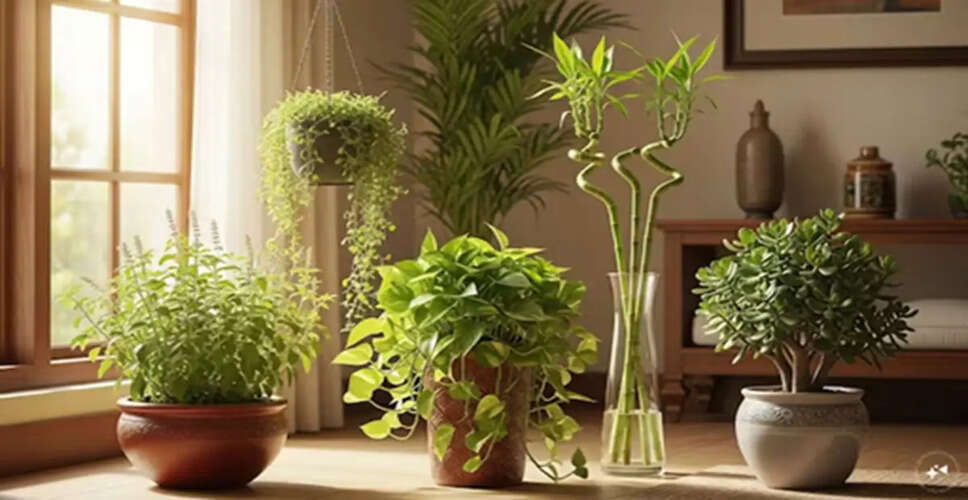
While many individuals choose indoor plants for their aesthetic appeal, Vastu principles stress the significance of their placement and orientation. Although the 'Money Plant' is commonly linked to wealth, other plants like Tulsi (Holy Basil), Lucky Bamboo, and the Jade Plant are also deemed auspicious. It's essential to recognize that these beliefs are deeply rooted in cultural traditions.
Auspicious Plants According to Vastu
Tulsi: A Beacon of Positive Energy
The Tulsi plant has been cherished in Indian homes for generations. Vastu Shastra recommends planting it in the north, east, or north-east for auspiciousness. It is believed to purify the home's atmosphere and promote positive energy flow. Many families also engage in morning rituals to honor the Tulsi plant, appreciating its religious and environmental significance.
Money Plant: A Symbol of Prosperity
The Money Plant is recognized as a representation of wealth and abundance. Vastu suggests placing it in the south-east direction to attract financial stability and new opportunities. However, it is crucial to care for the plant; a neglected or unhealthy Money Plant is considered inauspicious, necessitating regular maintenance.
Lucky Bamboo and Jade Plant: Additional Auspicious Choices
Lucky Bamboo: This plant has gained popularity in homes and workplaces. According to Vastu, positioning it in the east or south-east enhances positive energy and is linked to success and well-being. Jade Plant: Often referred to as a "good luck plant," placing it near the entrance in the east direction is considered beneficial for attracting success and financial opportunities.
Plants for Health and Peace
Snake Plant and Aloe Vera
The Snake Plant is known for its air-purifying qualities. Vastu recommends placing it in the south or south-east for optimal benefits. Aloe Vera, associated with health and tranquility, should ideally be positioned in the east or north. Incorporating greenery into the home contributes to a fresher atmosphere.
Areca Palm and Peace Lily
The Areca Palm enhances the home's visual appeal while promoting freshness. Vastu suggests placing it in the north or east for auspicious results. The Peace Lily symbolizes peace and love; positioning it near a bedroom window is believed to enhance positivity within the home.
Plants to Avoid Indoors
Vastu Shastra advises against keeping certain plants indoors. Thorny plants, such as cacti, are often viewed as inauspicious due to their association with stress and negative energy. Similarly, Bonsai plants are thought to hinder progress. Additionally, it is recommended to avoid indoor plants like cotton and tamarind.
Vastu Guidelines for Plant Care
Vastu Guidelines for Plant Care
According to Vastu, plants yield positive results only when they are well cared for. Indoor plants should be healthy and vibrant; it is advisable to remove any dried or wilted specimens. Regular watering, cleanliness, and adequate sunlight are crucial. The home environment benefits not only from proper placement but also from attentive care for the plants.
PC Social Media