
El Niño's Impact on Health: A Global Emergency Alert
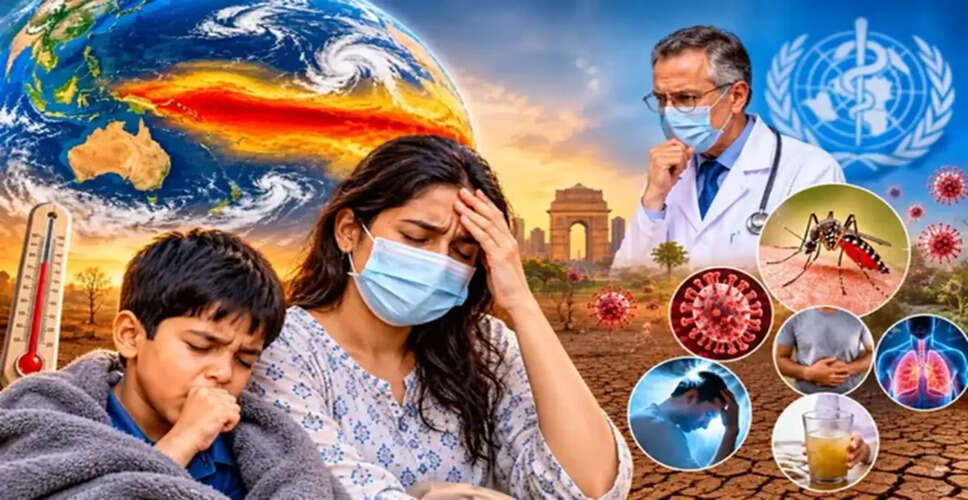

El Niño Declared a Global Health Emergency
The recent developments in the Pacific Ocean, referred to as 'El Niño,' have escalated beyond climate change concerns. The World Health Organization (WHO) has now categorized this situation as a 'Grade 3' global emergency, indicating significant implications for human health.
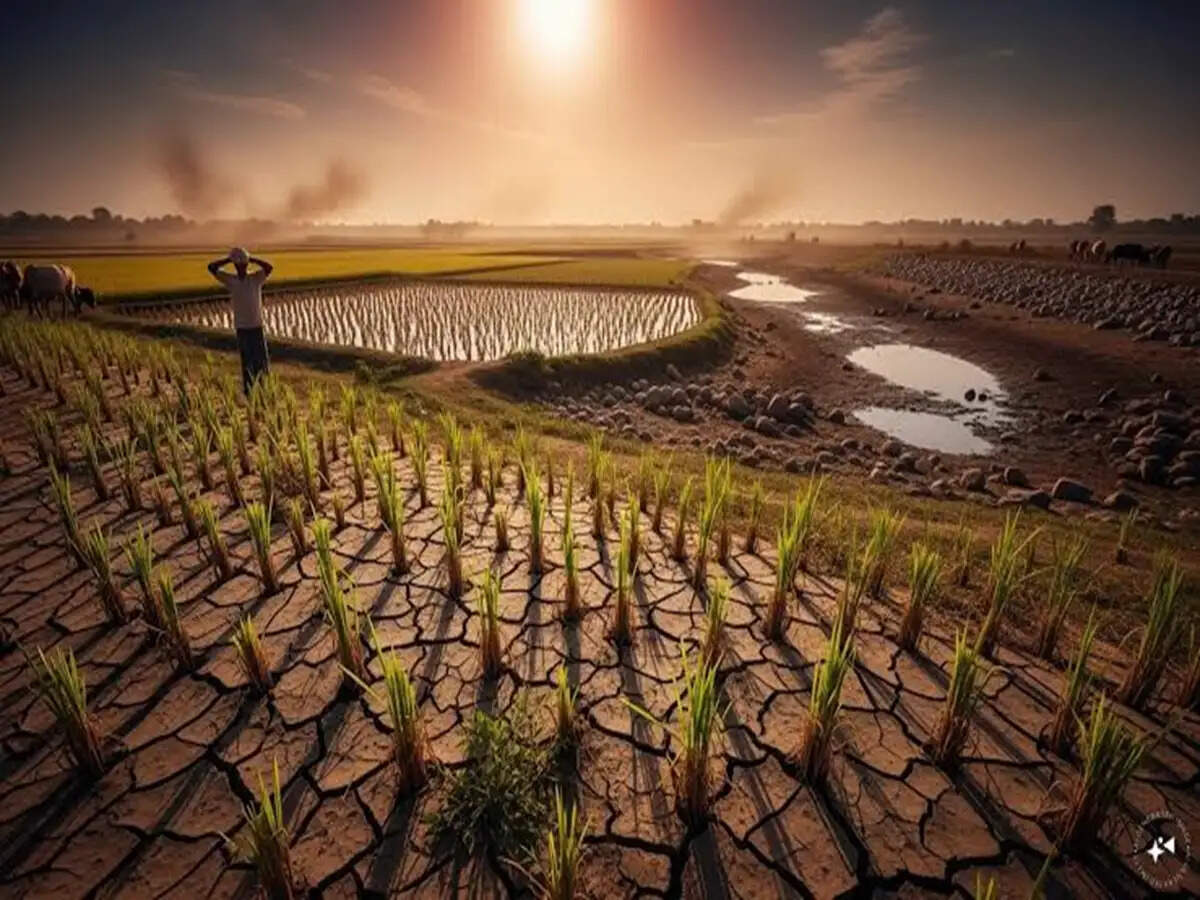
A 'Grade 3' designation signifies the utmost level of emergency response. As a result, major health crises are anticipated across numerous countries globally from October 2026 to September 2027. With India being one of the affected nations, it is vital to comprehend the risks posed by El Niño within the Indian context.
India's Vulnerability to El Niño
**India Faces the Highest Risk from El Niño in South Asia**
According to the WHO's global evaluation from September 2026, South Asia has been identified as the region most susceptible to El Niño's effects. The report indicates that these nations may experience elevated temperatures, severe droughts, heatwaves, and a heightened risk of waterborne illnesses.
**Health Risks for India**
India has been classified as having a 'high' or 'very high' health risk, which could lead to a surge in various diseases:
**Dengue and Malaria**
Fluctuations in temperature are likely to facilitate mosquito reproduction, potentially increasing the transmission of diseases such as dengue and malaria. The northeastern part of India is particularly at risk for malaria outbreaks.
**Heat-related Illnesses**
With temperatures expected to rise significantly during an El Niño event, there is a strong possibility of a spike in heatstroke cases and other heat-related health issues.
Leptospirosis
The risk of waterborne diseases, including leptospirosis and diarrhea, is elevated due to contaminated water sources. In these scenarios, maintaining water hygiene becomes crucial.
Malnutrition
In certain regions, extreme drought conditions may lead to increased malnutrition rates, particularly affecting children under five and pregnant women.