
Effective Walking Techniques for Weight Loss
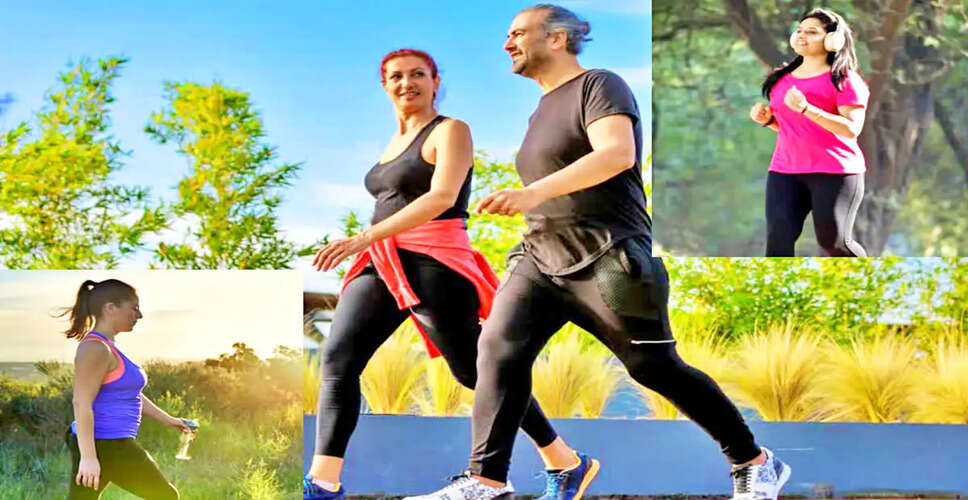

Walking for Weight Loss: Key Insights
Maximizing Weight Loss Through Walking: While walking can invigorate you, it doesn't automatically lead to weight loss. Transitioning from a leisurely stroll to a "brisk walk" can yield much better results. Brisk walking typically involves taking between 100 to 200 steps each minute. To safely integrate brisk walking into your daily routine, gradually increase your step count. Additionally, there are five crucial aspects to consider to ensure you see tangible results.
Avoid These Common Walking Mistakes
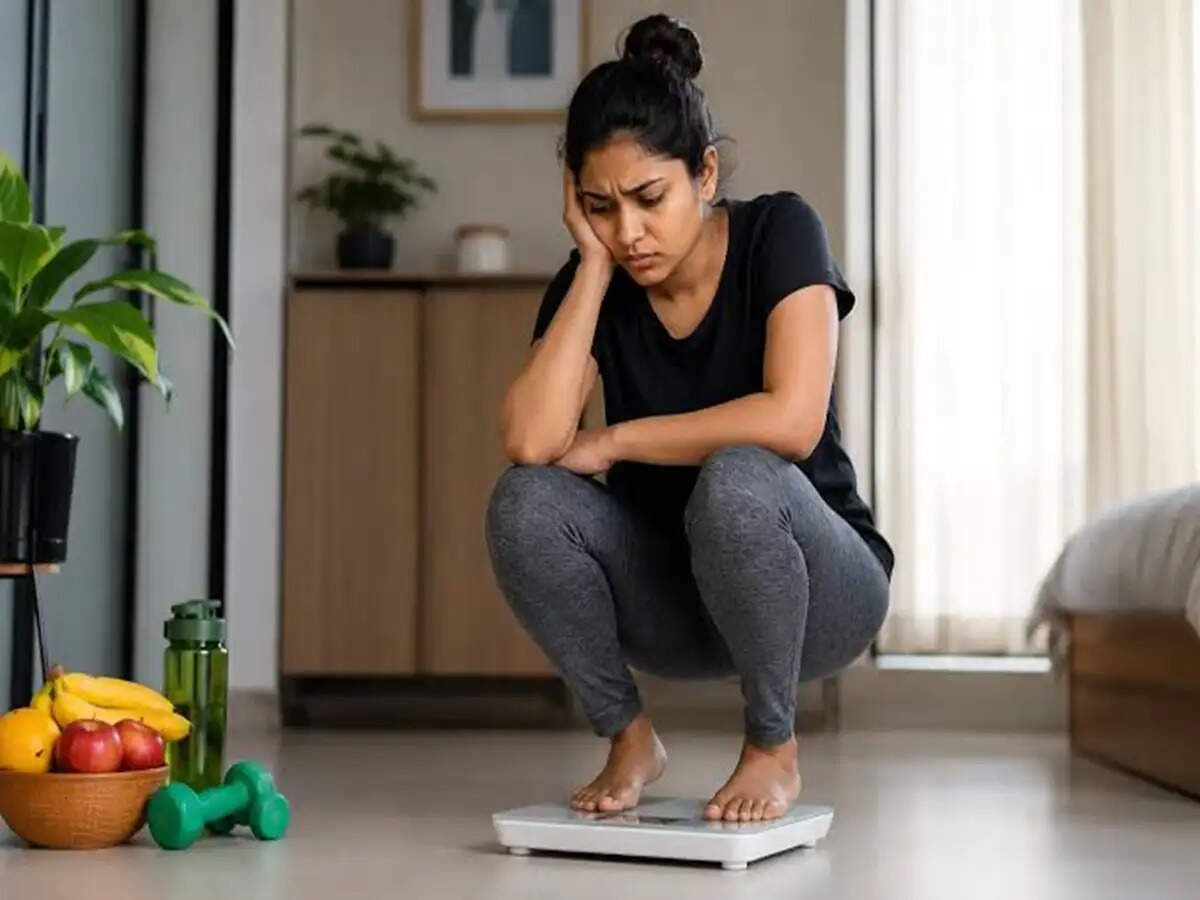
Five Mistakes to Avoid:
Before embarking on a brisk walk, warming up and cooling down is vital. Neglecting these steps can lead to muscle stiffness, fatigue, and potential injuries. A light warm-up of 3 to 5 minutes—like slow walking or dynamic stretches—will prepare your muscles. For cooling down, gradually slow your pace and include static stretches.
Maintaining a hunched posture, frequently checking your phone, or dragging your feet can hinder the benefits of your walk. Poor posture may cause neck and back strain and can even affect your breathing. To walk effectively, keep your head up, shoulders relaxed, engage your core slightly, and let your arms swing naturally. This approach not only makes walking easier but also minimizes muscle strain.
Using old or unsupportive footwear can be detrimental. Such shoes may cause foot pain, calf strain, and increased knee pressure, which can discourage you from walking regularly. Opt for shoes that offer good support, cushioning, and a solid grip to enhance your walking experience.
Walking the same route at a consistent pace can slow your weight loss progress as your body adapts to the routine. To counter this, mix up your pace by alternating between faster and slower speeds, increase your walking distance, or select routes with inclines. Additionally, consider using a fitness app or journal to track your steps, duration, and speed, which can help you set goals and stay motivated.
Even light walking can lead to water loss through sweat, especially in humid conditions. Dehydration can negatively affect your performance, slow your metabolism, and trigger unnecessary hunger. To combat this, drink a glass of water 20 to 30 minutes before your walk and continue sipping water during and after. This practice helps maintain energy levels and supports efficient fat burning.
Stay Hydrated and Energized
Maintaining hydration is crucial for optimal performance during your walks. Remember to drink water before, during, and after your exercise to keep your body functioning at its best.