
Effective Tips to Prevent Pimples After Threading

Understanding Threading and Its Effects
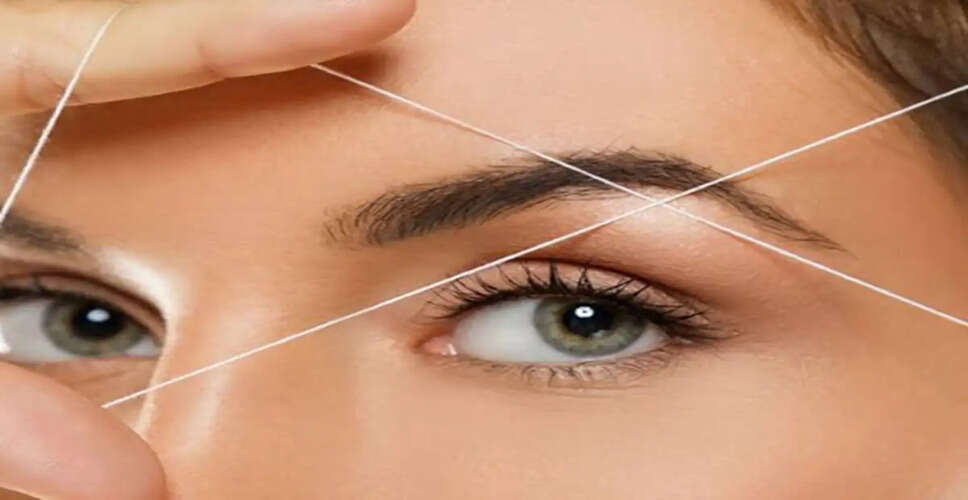
Threading is a widely used and cost-effective technique for facial hair removal and eyebrow shaping. While some discomfort during the procedure is typical, it remains a favored choice in beauty salons, with many individuals disregarding the minor side effects that may arise.
Common Skin Reactions Post-Threading
After threading, some individuals may notice small pimples or bumps forming on their skin, especially around the upper lip and eyebrows. These blemishes can not only alter the appearance of the face but may also lead to discomfort and irritation. Understanding the reasons behind this reaction and how to mitigate it is essential.
Why Do Bumps Occur After Threading?
Understanding the Causes
Threading involves pulling hair from the roots using a thread, which can create slight pressure on the skin. Those with sensitive skin are more prone to irritation and the formation of small bumps. Additionally, if the threading thread is not hygienic, it can introduce bacteria to the skin, raising the chances of infection and subsequent pimples.
Moreover, after threading, skin pores may remain open for a brief period. If dirt, sweat, or bacteria settle on the skin during this time, the risk of developing bumps increases. Therefore, maintaining proper skincare immediately following threading is crucial.
Preventive Measures for Pimples
Effective Prevention Strategies
To minimize the risk of pimples after threading, it is vital to keep the face clean. Applying a gentle antiseptic cream can help lower the chances of bacterial infections.
Using alum can also be beneficial. Dampen a piece of alum with water and gently apply it to the affected areas to soothe the skin and reduce infection risks.
Additionally, applying ice for a few minutes post-threading can alleviate redness, swelling, and irritation, further decreasing the likelihood of pimples.
Conclusion
PC Social Media