
Effective Strategies to Manage Overeating During Festive Seasons

Managing Overeating During Festivals
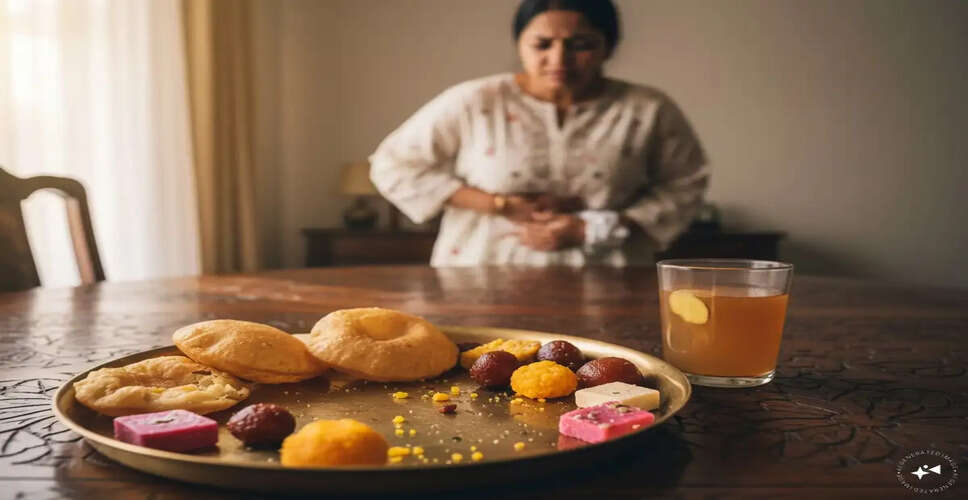
Strategies for Overeating During Celebrations: Festivals often bring an array of tempting foods like *puris*, *kachoris*, and various sweets, making it challenging to resist the urge to indulge. This can result in discomfort, including feelings of heaviness, gas, acidity, bloating, and constipation. Consequently, many people seek ways to "detox" the following day to avoid weight gain.

However, starving yourself or relying solely on juices or detox drinks is unnecessary. Your liver and kidneys are already working to eliminate waste. Instead of adhering to a strict detox regimen post-festivities, it’s advisable to revert to your normal eating habits. According to health experts, excessive consumption of fried or oily foods can worsen indigestion and acidity. Regular meals, slow chewing, and finishing your last meal 3–4 hours before sleeping can significantly aid digestion. Here are five habits to help maintain digestive health after overeating.
Start Your Day with Water
Begin with Water—No Special Detox Needed:
After indulging in salty, sweet, or fried foods, thirst can increase, leading to dehydration, which may worsen constipation. Kick off your morning with plain water and continue to hydrate throughout the day based on your thirst levels. If plain water seems dull, consider adding a few drops of lemon juice.
Keep in mind that while lemon water or detox drinks are popular, they won't magically eliminate body fat. Water is crucial for the body's normal functions and digestion. It’s better to sip water in smaller amounts throughout the day rather than consuming a large quantity at once.
Choose Balanced Meals Over Skipping
Opt for Balanced Meals Instead of Skipping:
After a day of indulgence, avoid the temptation to skip meals. Prolonged hunger can lead to intense cravings, increasing the chances of overeating later. Stick to your regular meal schedule and choose light, balanced homemade dishes. For breakfast, consider options like porridge (dalia), oats, or *poha* (flattened rice) with vegetables. Lunch can include lentils (*dal*), vegetables, *roti*, and yogurt, while dinner should be a balanced meal based on your hunger levels. There’s no need to "punish" yourself by drastically cutting food intake just because of one day of overeating.
Gradually Increase Fiber Intake
Boost Fiber Intake Gradually:
During festive times, the intake of refined flour (*maida*), sweets, and fried foods often decreases dietary fiber. Fiber is vital for regular bowel movements and preventing constipation. To ensure you get enough fiber, include green vegetables, fruits, lentils, whole grains, and other fiber-rich foods in your meals.
However, increasing fiber too quickly can lead to gas and bloating, so do it gradually and drink plenty of water. Instead of relying on a single fruit or vegetable as a "miracle" detox solution, focus on a variety of nutritious foods.
Engage in Light Physical Activity
Take a Short Walk After Meals:
Rather than lying down right after a heavy meal, opt for a gentle walk. Light physical activity can aid digestion and help stabilize blood sugar levels post-meal.
Try walking at a relaxed pace for 10–15 minutes after eating. There’s no need for intense workouts immediately after meals. If you tend to experience acidity, avoid lying down right after eating.
Prioritize Sleep and Routine
Ensure Adequate Sleep and Return to Routine:
Festivals often disrupt sleep patterns, meal timings, and physical activity, which can affect appetite and digestion. Normalize your sleep and meal schedules starting the next day.
Adults should aim for at least 7 hours of sleep each night. A balanced diet, sufficient sleep, and regular exercise are key to maintaining a healthy weight over time.
Understanding Weight Fluctuations
Does One Day of Overeating Cause Weight Gain?
Not necessarily. While you may notice a higher number on the scale after a day of indulgence, it doesn’t mean you’ve gained fat.
Don’t panic if your weight changes the next day, and avoid compensating by starving yourself. Simply return to your normal eating habits and physical activity. If you experience severe abdominal pain, persistent vomiting, blood in your stool, or prolonged digestive issues, seek medical advice.
Remember, after enjoying festive treats, your body doesn’t require a harsh detox; it needs balanced meals, sufficient hydration, light physical activity, and a return to your regular routine.
Stay Hydrated and Balanced
PC Social Media