
Effective Strategies to Limit Children's Screen Time During IPL 2026
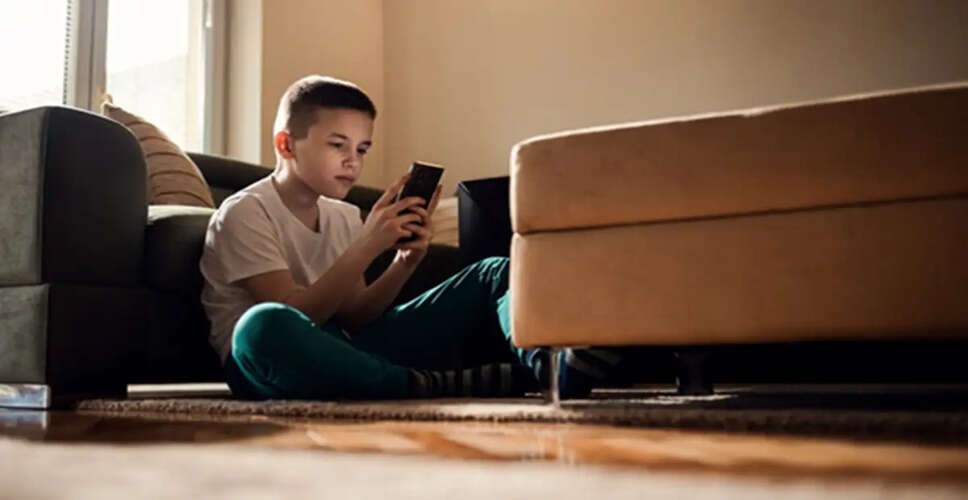
Managing Children's Screen Time
How to Manage Children's Screen Time: The IPL 2026 season is underway, and its excitement isn't just for adults; kids are also spending significant time glued to their screens, whether it's on mobile devices, televisions, or tablets. However, excessive screen exposure can adversely affect children's health and development.
Research indicates that prolonged screen time can lead to issues such as sleep deprivation, shorter attention spans, obesity, and mental health challenges in children. It can also hinder language skills, social interactions, and physical activity. While enjoying IPL matches is important, prioritizing children's health is crucial. By setting appropriate guidelines and achieving a balance, parents can help their children enjoy entertainment while leading a healthy lifestyle.
One major factor contributing to increased screen time during IPL is children's tendency to watch live streams on their phones. They become engrossed in the matches and highlights, often discussing the games with peers and sharing clips online.
Let's delve into the negative impacts of excessive screen time and the strategies parents can implement to allow their children to enjoy the matches without compromising their health.
The Detrimental Effects of Excessive Screen Time
Extended screen time can lead to various sleep-related issues.
Prolonged exposure to screens can diminish attention spans and negatively affect academic performance.
Being sedentary while using devices can lower physical activity levels, potentially resulting in obesity.
Staring at screens for long durations can lead to eye problems, including irritation, watery eyes, and declining vision.
How Parents Can Regulate Screen Time
Set Screen Time Limits
Establish a daily screen time limit—like one or two hours—for your children, and ensure they adhere to this guideline. Make it clear that if they want to watch a match, they cannot use their devices for any other activities for the rest of the day.
Balance Matches with Other Activities
Instead of allowing children to watch entire matches, let them view only a few overs or highlights, encouraging them to engage in sports or outdoor play during the remaining time. Emphasize physical activity over extended periods of screen time.
Designate "Screen-Free" Time
Discourage the practice of falling asleep while watching TV. Ensure that children stay away from screens for at least one hour before bedtime. Additionally, keep the TV off during meals to promote healthier habits.
Maintain a Sleep Routine
Excessive screen time can disrupt sleep patterns and hinder a child's growth. Therefore, establish a consistent sleep schedule for your child, ensuring they go to bed and wake up at the same times each day.