
Effective Strategies for Encouraging Kids to Eat Without Screens


Parenting Tips for Screen-Free Mealtimes
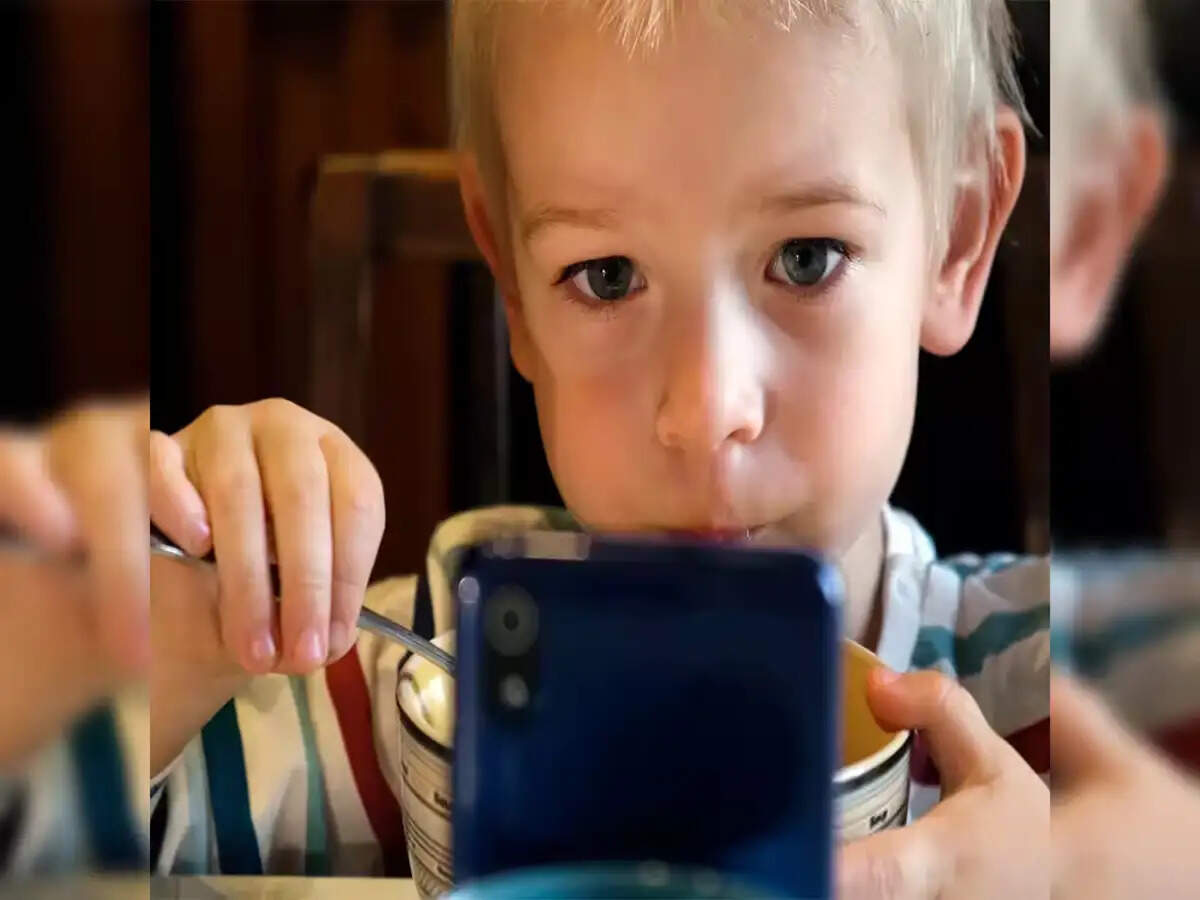
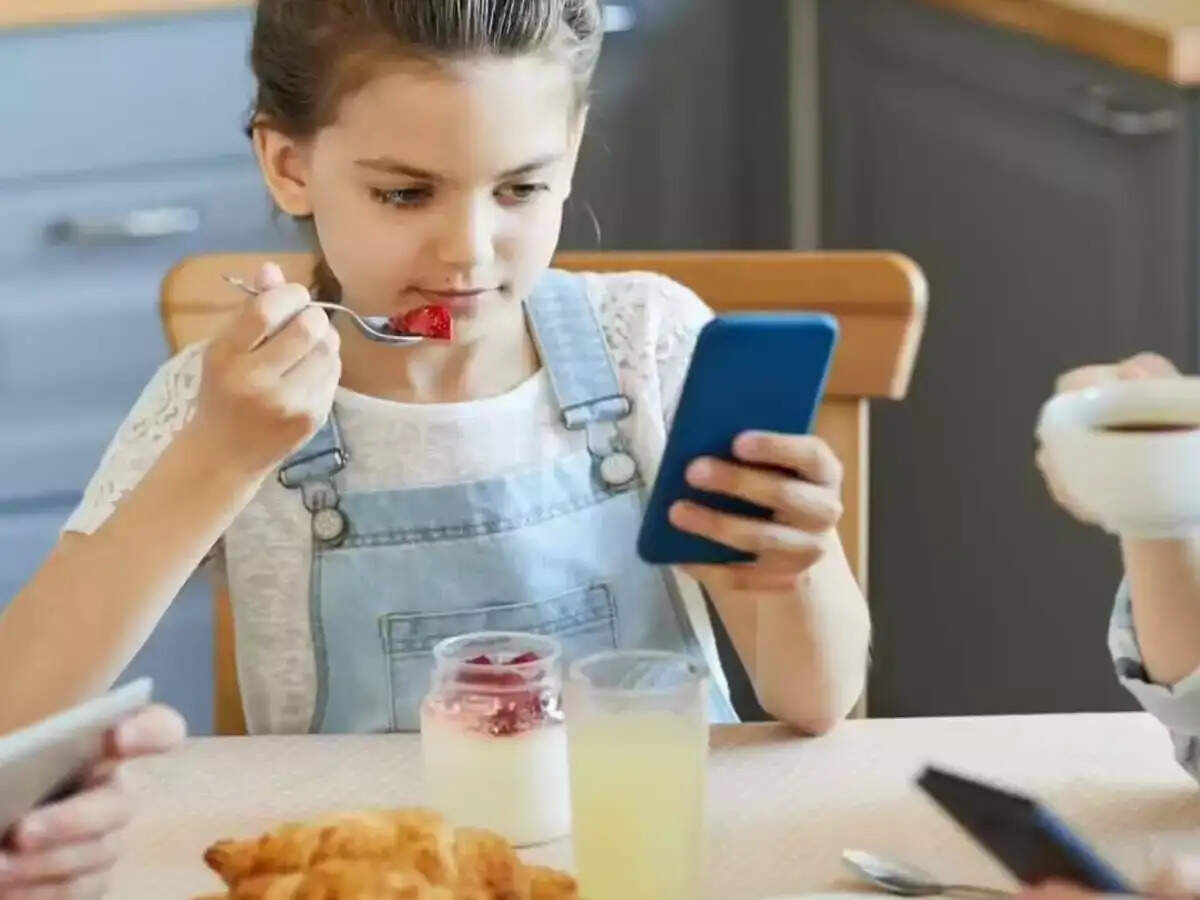
Parents frequently depend on mobile devices or televisions to help their children eat. While kids may consume their meals while engaged with cartoons or videos, this can lead to a reliance on screens during mealtime. It is crucial for parents to promote eating without these distractions. Creating a fun and enjoyable atmosphere during meals can significantly aid in this effort. If your child resists eating without a device, consider implementing a few straightforward strategies. Here are four effective tips to help you:
1. Set a Regular Meal Routine
Establishing a consistent schedule for meals and snacks is vital for nurturing healthy eating habits. Aim to have your child eat breakfast, lunch, an afternoon snack, and dinner at the same times each day. If your child is hesitant to eat, refrain from chasing them or offering multiple food choices. Instead, present two healthy options, like an apple or a banana, allowing them to make a decision. Avoid scolding or forcing them to eat; if they consume less on a given day, focus on their overall intake throughout the day.
2. Family Meals Together
Children often mimic the behaviors of their parents and family members, both positive and negative. To help them eat without screens, it’s beneficial for the whole family to dine together. During these meals, refrain from using mobile devices or watching television. Use this time to engage in conversation about your child's day, school, games, and friends, which can redirect their attention from screens to their food and family interactions. Additionally, parents should model healthy eating habits, as children often learn by observing adults. Ensure that mealtimes at home are calm and enjoyable.
3. Involve Kids in Cooking
Getting children involved in meal preparation can spark their interest in food. Assign them simple, age-appropriate tasks, such as washing fruits and vegetables, setting the table, or choosing between two healthy options. This involvement can enhance their enthusiasm for food and promote independence. However, keep young children away from hot surfaces and sharp objects, assigning only safe tasks. When children feel they have played a role in meal preparation, they may be more willing to try new foods.
4. Make Meals Enjoyable
The presentation of food is also crucial when feeding children. Meals that are both tasty and visually appealing are more likely to attract their interest. You can enhance the visual appeal by cutting fruits, vegetables, bread, or sandwiches into fun shapes and arranging them creatively on the plate. Shapes like stars, hearts, and flowers can be particularly enticing. Additionally, include a variety of colorful foods such as carrots, cucumbers, paneer, bananas, and strawberries. Using your child's favorite dishware can also enhance the mealtime experience. Start with smaller portions to avoid overwhelming them, and offer more if they are still hungry.