
Effective Remedies for Cracked Heels This Winter

Understanding Cracked Heels
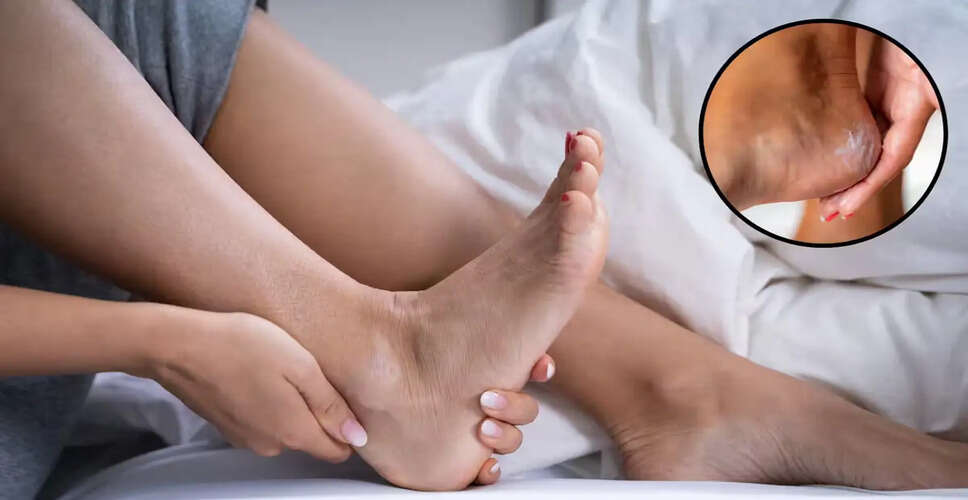
Cracked Heels Treatment: As winter approaches, many individuals experience various skin issues, including dryness on the feet. Cracked heels are particularly prevalent, often resulting in hard, dry skin that can develop painful fissures. While it may appear to be a minor concern at first, ignoring it can lead to discomfort, burning sensations, and even bleeding.
Causes of Cracked Heels
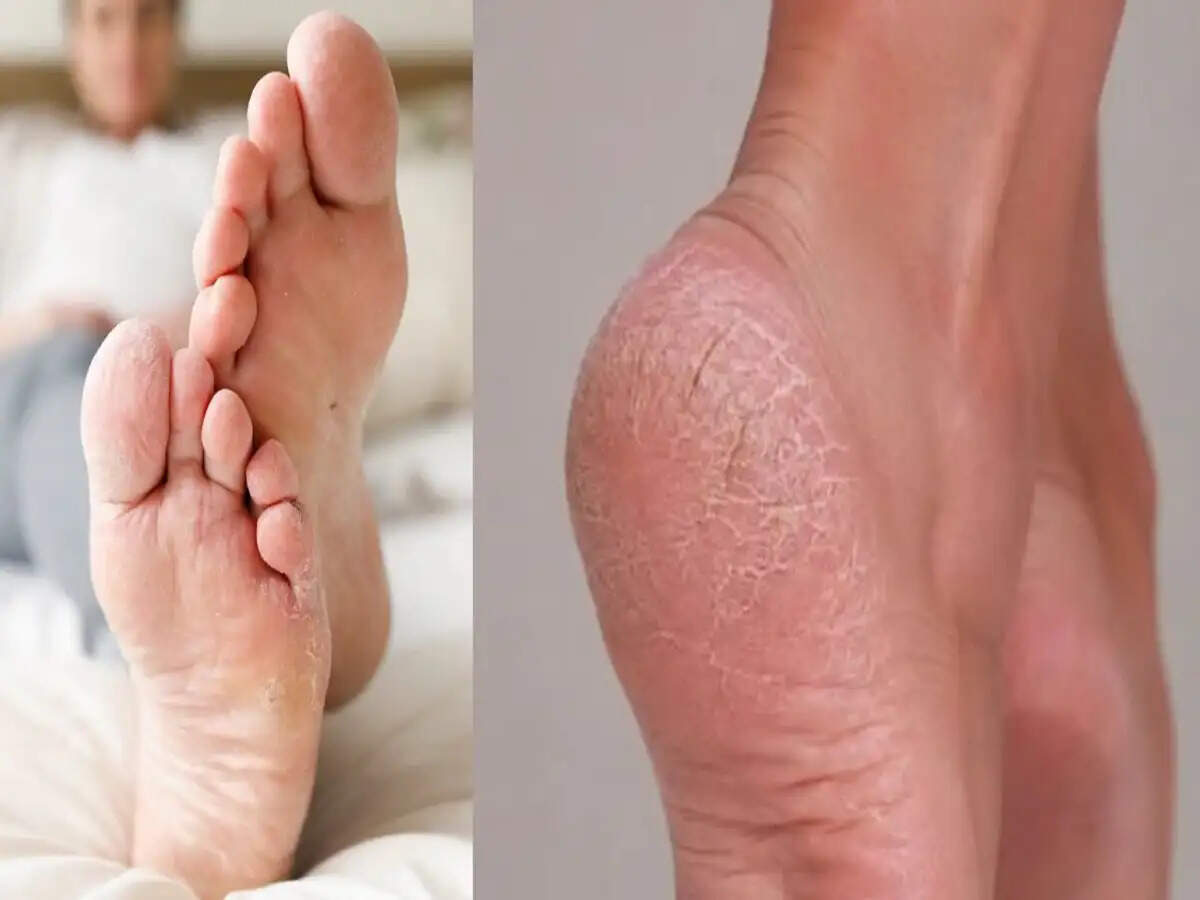
During winter, the air's low humidity can strip the skin of its natural moisture. Contributing factors include prolonged hot baths, insufficient foot care, walking barefoot, and wearing unsuitable footwear. Therefore, it’s crucial to extend skincare routines beyond just the face to include the feet.
Foot Care Tips for Winter
If you are dealing with cracked heels this winter, consider integrating these simple foot-care practices into your daily routine. Proper moisturizing, maintaining cleanliness, and adhering to a nightly care regimen can significantly improve dry skin. Here are five straightforward methods to care for your heels during the colder months.
1. Nightly Petroleum Jelly Application
Petroleum jelly serves as a straightforward and effective solution for cracked heels. Before bedtime, wash your feet with lukewarm water and gently dry them. Apply petroleum jelly to your heels and wear cotton socks overnight to help retain moisture.
2. Urea-Based Foot Cream
If your heels are particularly dry and tough, a cream containing urea can be beneficial. Dermatologists recommend using creams with 10 to 25 percent urea to soften thick skin. Apply these creams to slightly damp skin post-bath. If irritation occurs, discontinue use and seek medical advice.
3. Proper Foot Cleansing
When cleaning your feet in winter, opt for lukewarm water instead of hot. Avoid soaking your feet for extended periods, as this can exacerbate dryness. After washing, ensure your feet are thoroughly dried and moisturized.
4. Cautious Use of Pumice Stone
A pumice stone can gently exfoliate hard, dead skin on your heels. Use it lightly without applying too much pressure. Avoid using it if your heels have deep cracks, are bleeding, or are painful. Never attempt to cut away hard skin with sharp objects.
5. Choosing Appropriate Footwear
Wearing suitable footwear is crucial for protecting your feet in winter. Select shoes that offer good heel support and avoid loose slippers or open-back sandals. Even at home, opt for comfortable slippers instead of going barefoot.
When to Seek Medical Attention
If you notice deep cracks, bleeding, swelling, redness, or pus on your heels, consult a healthcare professional. Those with diabetes should be particularly cautious about cracked heels and should refrain from self-removing hard skin.
Stay Connected
PC Social Media