
Effective Methods for Cleaning Your Water Tank
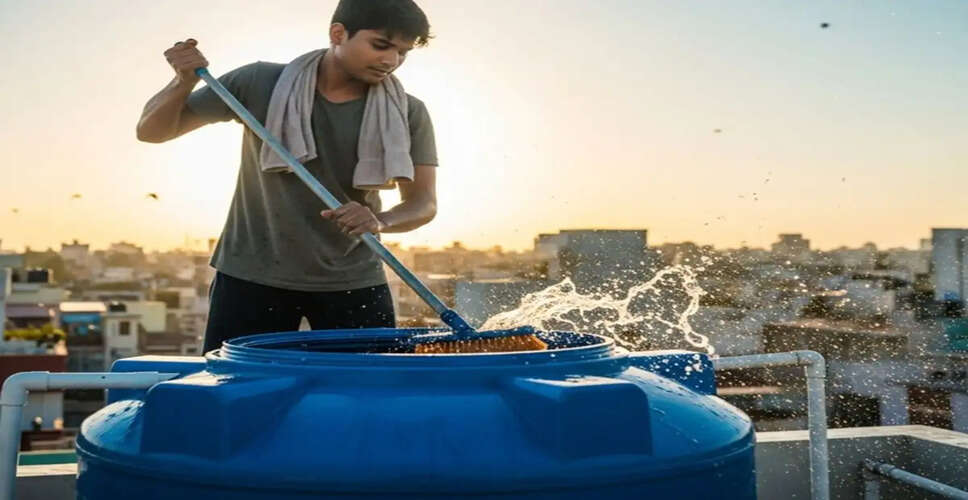

Importance of Regular Water Tank Maintenance
Many homes feature a sizable water tank to guarantee a steady supply of water for various needs, including cooking and bathing. However, it is crucial to maintain cleanliness by periodically cleaning the tank.
Consequences of Neglecting Tank Cleaning
Failure to clean the tank regularly can lead to the buildup of algae and grime, which may affect the quality of the water. If you notice algae in your tank, the following methods can help effectively eliminate it.
Steps to Remove Algae from Your Water Tank
How to Start Algae Removal?
Begin by mixing bleach or chlorine into the tank water and allowing it to sit for 11 to 12 hours. This process helps to loosen the algae. You can also create a paste using baking soda and vinegar, which should be scrubbed onto the tank's surfaces. Another option is to use a mixture of dishwashing liquid and salt.
Initial Actions Upon Discovering Algae:
When you find algae in the tank, your first task is to loosen it. Mix bleach or chlorine with the tank water and let it sit for approximately 11 to 12 hours. This will weaken the algae and dirt, facilitating easier cleaning. Be sure to use the appropriate amount of bleach or chlorine.
After the waiting period, drain the tank completely. Prepare a thick paste by combining baking soda, vinegar, and a small amount of water. Apply this paste generously to the tank's inner walls and bottom, allowing it to sit for about an hour. Then, scrub the surfaces vigorously with a brush or scrubber to remove tough stains and algae.
Alternatively, you can use a paste made from dishwashing liquid and salt. Apply it to the tank's surfaces and let it rest for about 15 minutes before scrubbing thoroughly with a brush. Finally, rinse the tank with lukewarm water.
Safety Tips for Cleaning Your Water Tank
Important Safety Considerations:
When cleaning the tank, prioritize safety. Always wear gloves and avoid entering the tank with slippers; instead, cover your feet with plastic. If possible, clean the tank from the outside using a cloth or brush attached to a long stick. Refrain from using the tank water for any household tasks during the cleaning process, and keep children away from the area while cleaning is underway.
PC Social Media