
Effective Home Remedies for Treating Boils

Understanding Boils: Causes and Symptoms
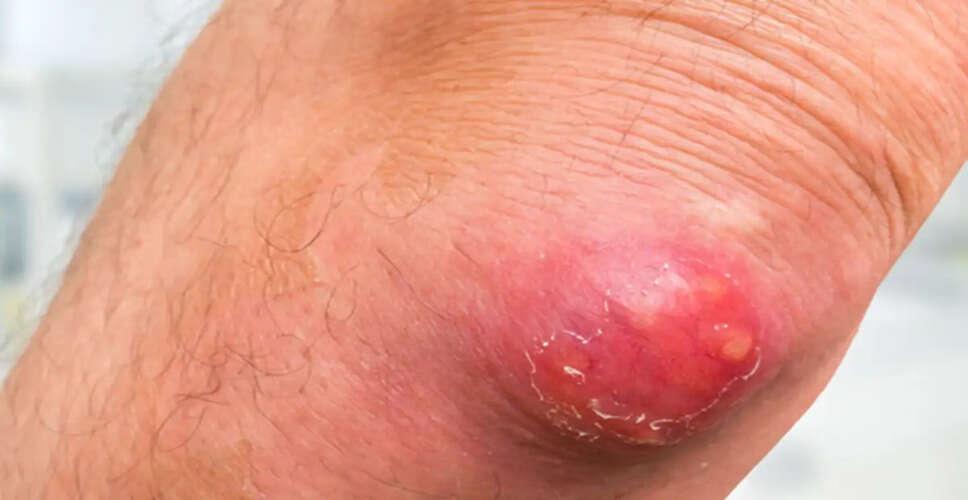
What is a Boil? A boil, also known as a baltod, is a painful skin infection that can affect individuals of all ages. This condition arises when bacteria infiltrate the skin and infect a hair follicle.
Initially, it may resemble a small pimple, but it can quickly escalate, leading to increased swelling, redness, and severe pain. Often, it fills with pus, intensifying the discomfort.
Many people tend to overlook it, allowing the boil to grow larger and more painful. However, early-stage home remedies can provide relief. Let's explore the causes, symptoms, and effective home treatments for boils.
How Boils Develop
Boils develop when bacteria enter the skin through a broken hair or a minor wound. These bacteria infect the hair root, causing swelling, pain, and pus formation, ultimately leading to a boil.
Identifying the Causes of Boils
Several factors can contribute to the formation of boils, including:
- Bacterial infections
- Poor hygiene practices
- Excessive sweating
- Weakened immune system
- Skin cuts or injuries
- Increased risk for individuals with diabetes
Recognizing Symptoms of a Boil
Common symptoms associated with boils include:
- Red swelling on the skin
- A small bump that gradually enlarges
- Pus accumulation
- Severe pain and a burning sensation
- Increased pain upon touch
- Occasionally accompanied by fever
Home Remedies to Alleviate Boils
Warm Compress: Applying a warm compress 3–4 times daily can help reduce swelling and facilitate pus drainage.
Turmeric: Known for its antibacterial properties, turmeric can aid in reducing the infection.
Neem: A paste made from neem leaves can effectively eliminate bacteria.
Garlic: This natural antibiotic can help diminish the infection.
Aloe Vera: Applying aloe vera gel can provide relief from pain and swelling. Maintaining hygiene is crucial; keep the affected area clean and dry, and avoid frequent touching.
When to Seek Medical Attention
It is essential to consult a healthcare professional if the boil worsens, if the pain intensifies, if a fever occurs, or if it does not heal within a few days. Avoid attempting to squeeze or pop the boil, as this can lead to the spread of infection.
Stay Informed
PC Social Media