
Eco-Friendly Ways to Dispose of Worship Flowers

The Importance of Flowers in Worship
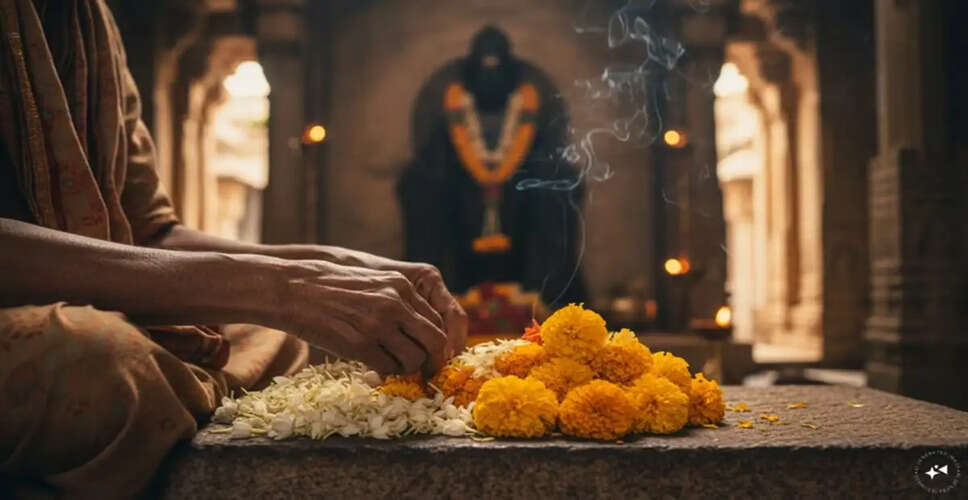
Flowers play a vital role in religious ceremonies. Presenting fresh and aromatic blooms to deities symbolizes deep respect and devotion. However, many individuals are often uncertain about the appropriate disposal methods for these flowers after the rituals are completed. Frequently, they end up discarded carelessly in the trash. This practice is not only seen as disrespectful in many faiths but also poses environmental challenges.
Understanding Nirmalya
In religious contexts, the flowers offered are referred to as *Nirmalya*. These are not considered mere waste, as they have been part of a sacred act. Therefore, it is advisable to dispose of them with care or find alternative uses. The customs surrounding this can differ significantly based on regional and cultural practices.
Proper Disposal Practices
**Avoid Disposing in Trash**
Many people find it easier to throw worship flowers directly into the garbage. However, this is viewed as inappropriate from a spiritual standpoint. Additionally, if these flowers are mixed with non-biodegradable items, they cannot be processed as organic waste. Thus, it is preferable to keep them separate from regular household refuse.
Creative Ways to Repurpose Flowers
**Repurposing Ideas**
If you have a garden, consider burying the flowers to enrich the soil and create compost. Certain flower petals can be dried and transformed into potpourri, natural dyes, or incense sticks (*dhoop*). This not only gives the flowers a new life but also contributes positively to the environment.
Environmental Considerations for Immersion
**Rethinking Immersion Practices**
Traditionally, many have immersed worship flowers in rivers or ponds. However, environmental experts now caution against this practice due to its potential to pollute water bodies. Disposing of flowers along with plastic, cloth, or other ritual items can exacerbate pollution issues. If you choose to immerse them, it is crucial to be aware of local environmental regulations and their impact.
Conclusion
PC Social Media