
DIY Protein Powder: A Simple Guide to Homemade Nutrition
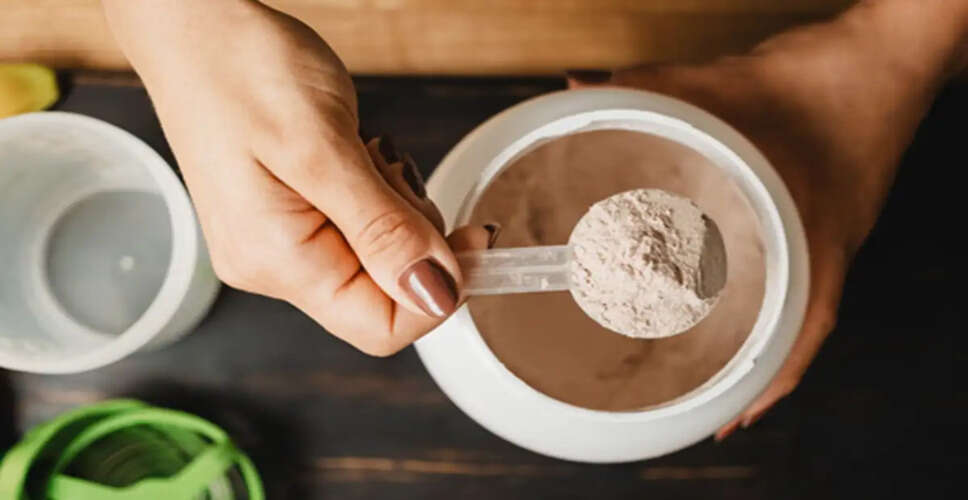

Creating Your Own Protein Powder at Home
Crafting Homemade Protein Powder: The awareness surrounding fitness and healthy living is on the rise. Whether individuals are hitting the gym, aiming to shed pounds, or simply striving for better health, there is a growing emphasis on boosting protein consumption. This trend has led to an increased interest in commercially available protein powders. However, many prefer the natural route of homemade alternatives over pricey supplements.
Making your own protein powder is not only budget-friendly but also allows you to choose ingredients tailored to your personal health goals. This powder can be made from a variety of ingredients such as almonds, peanuts, roasted chickpeas, flaxseeds, oats, and assorted seeds, providing essential nutrients without the worry of artificial additives or excess sugars.
If you're interested in preparing a nutritious and natural protein powder, follow this straightforward recipe. We will delve into the process of making protein powder at home, its advantages, and the best ways to incorporate it into your diet.
Ingredients Needed for Homemade Protein Powder
1 cup roasted chickpeas
1 cup almonds
1 cup roasted peanuts
1/2 cup oats
1/4 cup flaxseeds
1/4 cup pumpkin seeds
2 teaspoons cardamom powder (for flavor)
These components are packed with protein, fiber, healthy fats, and vital minerals.
Simple Steps to Prepare Protein Powder
Begin by lightly roasting the almonds, peanuts, oats, flaxseeds, and pumpkin seeds.
This roasting process reduces moisture, helping the powder maintain freshness over time.
Once cooled, transfer the ingredients to a mixer-grinder and blend until finely powdered.
Finally, incorporate the cardamom powder and store the blend in an airtight container.
Your homemade protein powder is now ready for use.
Advantages of This Homemade Protein Powder
This DIY powder serves as a fantastic source of various nutrients, aiding in:
Providing protein to the body
Supporting muscle development
Keeping you satiated for extended periods
Enhancing digestion due to its fiber content
Offering energy from healthy fats
Note that the benefits may differ based on individual dietary habits, age, and overall health.
How to Use Your Protein Powder
You can add 1 to 2 tablespoons of this powder to milk, smoothies, shakes, or yogurt.
Many prefer to consume it during breakfast or post-workout.
If you have any allergies or health concerns, consulting a healthcare professional before use is recommended.
Comparing Homemade and Commercial Protein Powders
The primary benefit of homemade protein powder is the clarity it offers.
You have complete knowledge of the ingredients used.
In contrast, some commercial sports nutrition products may contain higher concentrations of protein.
Thus, the advantages of each option can vary based on your individual requirements.