
Discover the Unique Nishkalank Mahadev Temple in Gujarat

Nishkalank Mahadev Temple: A Unique Spiritual Experience
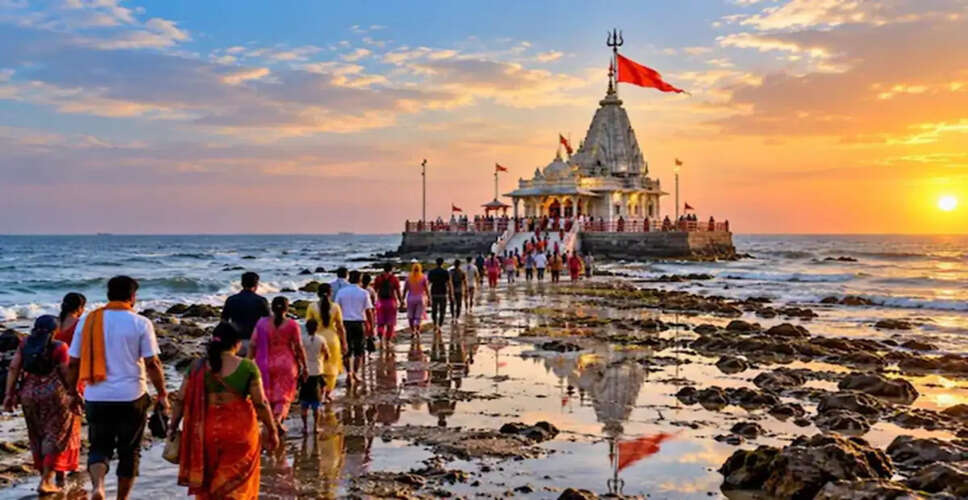
Nishkalank Mahadev Temple: India boasts numerous temples dedicated to Lord Shiva, each showcasing distinct customs and beliefs that often leave visitors spellbound. In certain locations, the worship of Lord Shiva takes on a unique form, while in others, the journey to the temple itself becomes an extraordinary adventure. The Nishkalank Mahadev Temple, situated in Bhavnagar, Gujarat, exemplifies this uniqueness. A fascinating feature of this temple is that devotees cannot visit at their convenience; access is entirely contingent on the sea's tides. When the tide recedes, worshippers can traverse to the temple to offer their prayers. However, as the sea rises, the path leading to the temple becomes submerged.
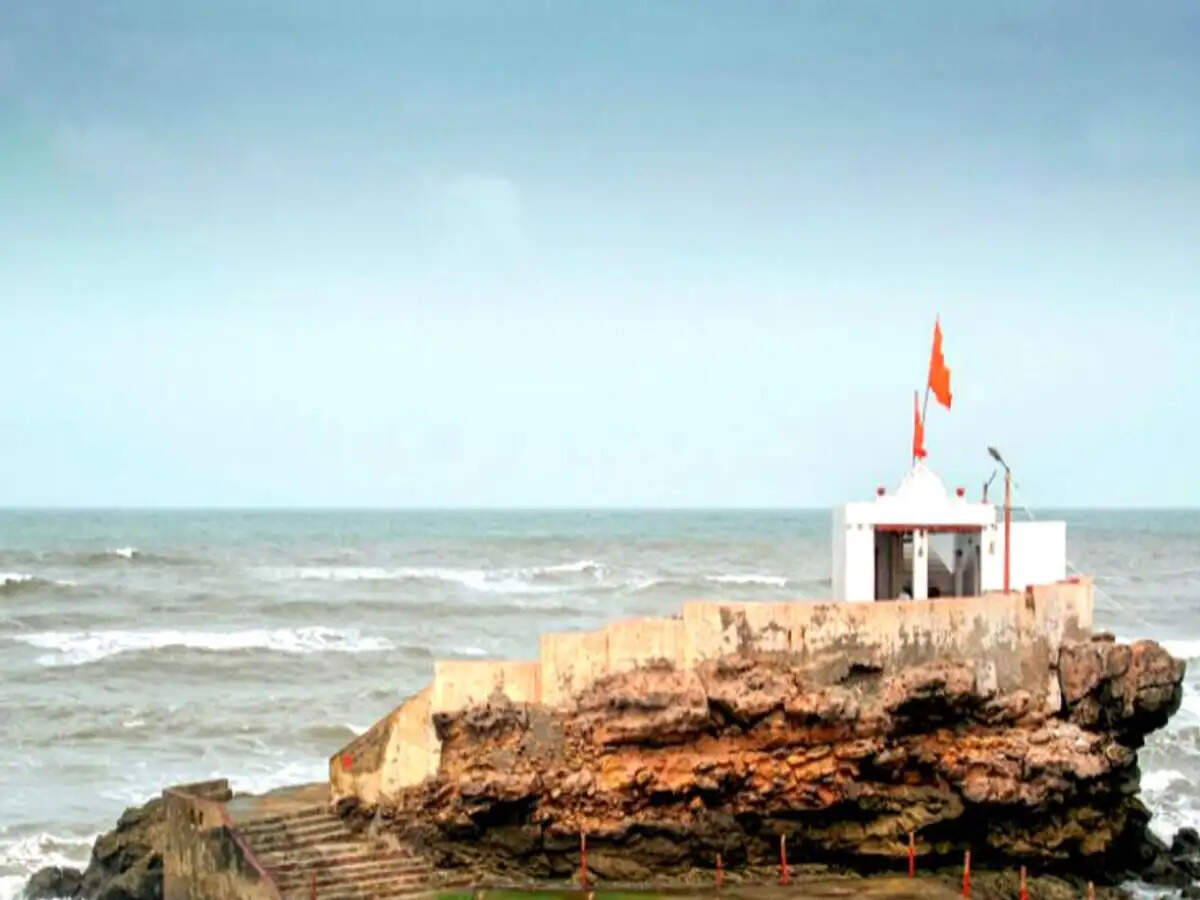
This phenomenon has led many devotees to believe that Lord Mahadev himself dictates the timing of their visits. Nestled in the sea, this temple is also tied to a legend from the Mahabharata era, where it is said that the Pandavas worshipped Lord Shiva here, seeking liberation from their sins. This is why the site is referred to as 'Nishkalank Mahadev', meaning 'Lord Shiva, the Remover of Blemishes/Sins'. Let's delve into the temple's unique characteristics, the religious beliefs surrounding it, and the best way to visit.
Location of the Nishkalank Mahadev Temple
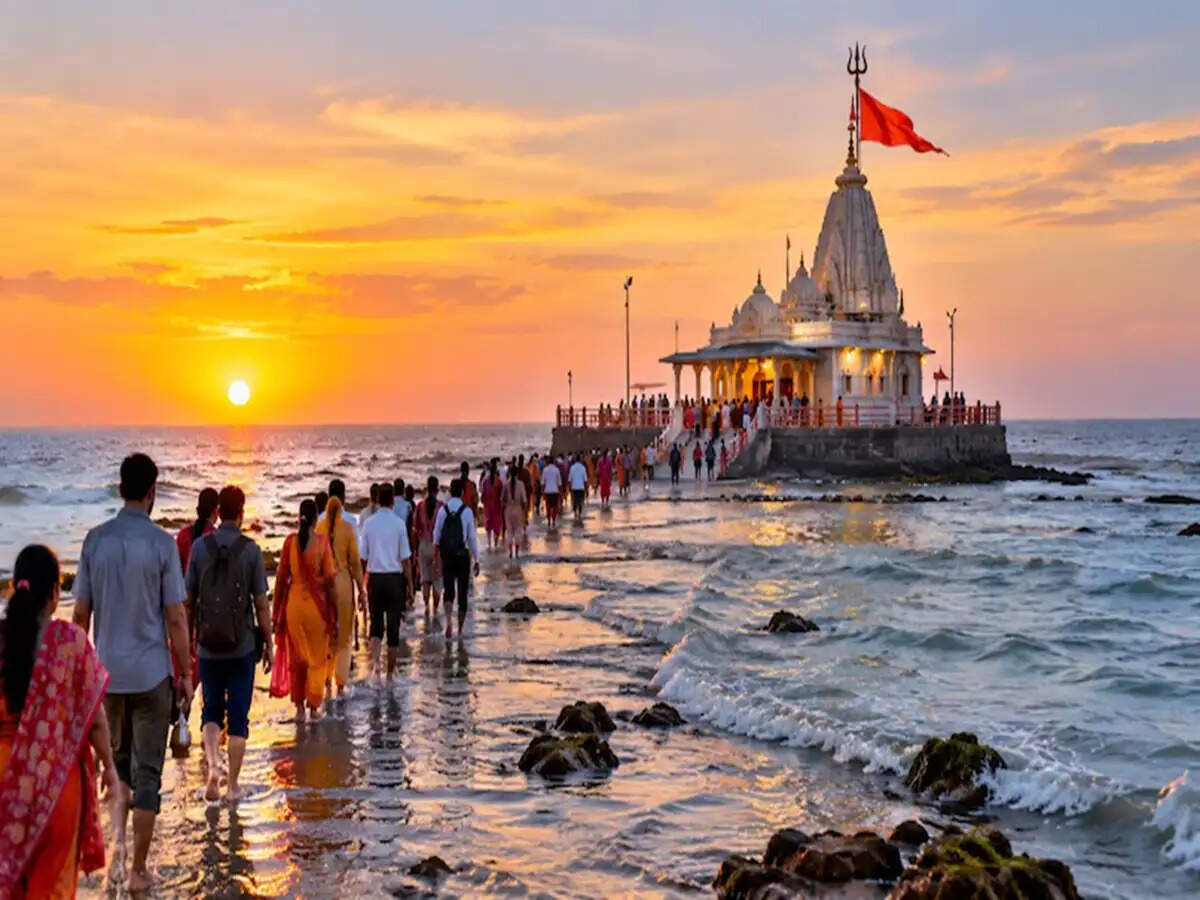
The Nishkalank Mahadev Temple is located near Koliyak village in the Bhavnagar district of Gujarat, roughly 25 to 30 kilometers from Bhavnagar city. Its most remarkable aspect is its placement in the sea, about a kilometer from the shore. The temple can only be accessed during low tide when a path emerges on the seabed, allowing devotees to walk to it. From afar, the temple's flag and shrine can be seen rising from the water, creating a striking image that distinguishes it from other Shiva temples.
Divine Timing for Darshan
Devotees hold a unique belief regarding the Nishkalank Mahadev Temple: they believe that the timing of their arrival and departure is governed by Lord Shiva's will. In reality, the path to the temple opens and closes with the ocean's tides. During low tide, the water recedes, permitting devotees to reach the temple for *darshan* (worship/viewing). Conversely, during high tide, the water level rises, submerging the path to the temple. This natural occurrence is viewed by devotees as a testament to Lord Shiva's magnificence.
Understanding the Submersion of the Path
The ocean tides, which cause the sea levels to rise and fall, are influenced by the gravitational forces of the moon and sun. Typically, the sea level fluctuates twice daily, although the exact timing varies. The Nishkalank Mahadev Temple is located in a shallow area of the sea; thus, when the tide rises, the vicinity of the temple becomes submerged. During these times, it is unsafe to attempt to reach the temple on foot. The path becomes accessible again only after the water recedes, so visitors should check the tidal schedule before planning their trip.
Legend of the Pandavas
The most famous legend associated with the Nishkalank Mahadev Temple involves the Pandavas from the Mahabharata. Following the war, the Pandavas were deeply troubled by the loss of their kin and the devastation caused by the conflict. Overwhelmed with guilt, they sought Lord Krishna's guidance to alleviate their burden. Krishna advised them to worship Lord Shiva, leading them to this sacred site to offer their prayers.
Lord Shiva's Manifestation
According to popular belief, the Pandavas engaged in penance and worshipped Lord Shiva by the seashore. Pleased with their devotion, Lord Shiva is said to have manifested before them in the form of five Shiva Lingas. It is believed that through Lord Shiva's grace, the Pandavas were absolved of their sins, lifting the burden from their hearts. This religious belief is why the site is known as 'Nishkalank Mahadev', which signifies one who is free from blemish or stain. However, it is important to note that this is a religious legend, and there is no historical evidence to support it.
PC Social Media