
Discover the Healthiest Types of Rice for Your Diet

Understanding the Healthiest Rice Options
Rice is a fundamental component of the Indian culinary landscape, enjoyed in various forms such as white, brown, basmati, and other traditional varieties. As health awareness rises, many are questioning which type of rice is most beneficial for their well-being.
Is white rice detrimental to health, or can it be consumed in moderation? Are whole-grain options like brown rice more advantageous? The ideal choice often hinges on individual factors such as age, health status, and dietary requirements.
Choosing the right rice can enhance your diet by providing energy, fiber, and vital nutrients. Let’s delve into the health benefits of various rice types.
Which Rice Varieties Are Healthiest?
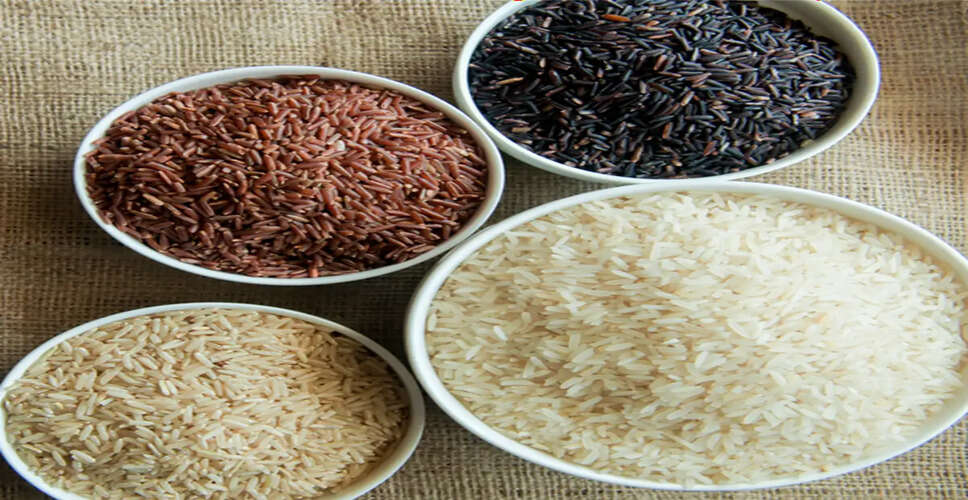
1. Brown Rice
Brown rice is frequently hailed as a healthier alternative due to its minimal processing. It retains the bran layer, which is rich in fiber, vitamins, and minerals.
Benefits:
High in fiber.
Promotes satiety.
Supports weight management.
Beneficial for digestive health.
However, it has a different flavor and longer cooking time compared to white rice.
2. Red Rice
This variety is packed with antioxidants and fiber, making it a nutritious choice.
Benefits:
High in fiber.
Supports gut health.
Offers essential nutrients.
3. Black Rice
Known for its antioxidant properties, black rice contains anthocyanins, which give it a distinctive color.
Benefits:
Rich in antioxidants.
Can be part of a healthy diet.
Nutritionally different from white rice.
4. White Rice
As the most commonly consumed rice, white rice undergoes significant processing, which removes some nutrients.
Benefits:
Easy to digest.
Provides quick energy.
Widely available and palatable.
However, excessive consumption can lead to high calorie and carbohydrate intake, so moderation is key.
Best Rice Choices for Diabetics and Weight Management
For those managing diabetes or aiming to lose weight, opting for less processed rice varieties like brown or red rice may be more beneficial. Nonetheless, it’s essential to consider not only the type of rice but also portion sizes, accompanying foods, and the overall dietary pattern.