
Diljit Dosanjh Shines at MET Gala with Regal Punjabi Heritage Look
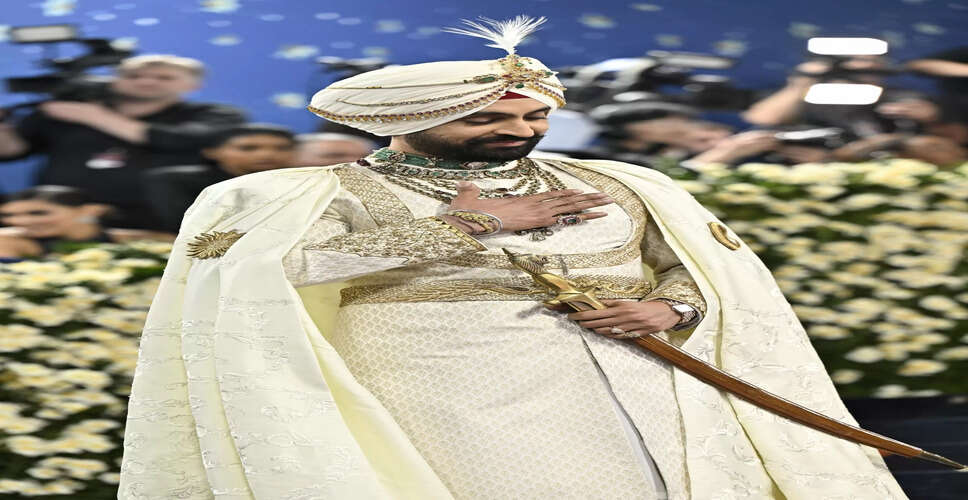
Diljit Dosanjh's Historic MET Gala Appearance
Diljit Dosanjh, the talented actor and singer, made a significant impact at the MET Gala, marking his debut as the first celebrity to attend the event while wearing a turban. His striking appearance was a tribute to his Punjabi roots, showcasing a 'royal look' that captivated audiences worldwide.
Initially, Dosanjh aimed to don the iconic Cartier necklace valued at $2.5 billion, which was once owned by the Maharaja of Patiala. However, after Cartier declined his request, his team collaborated with the esteemed Golecha Jewellers from Jaipur and Mumbai to craft a stunning replica of the historic piece.
This ambitious project took several months, involving intricate craftsmanship that resulted in a breathtaking ensemble featuring a magnificent neckpiece, an emerald-and-polki headpiece adorned with kilangi, and three exquisite rings. His look garnered admiration from celebrities in both Bollywood and Hollywood.
The creators of this regal jewellery, Golecha Jewellers, hosted a private preview in Ludhiana on July 23-24, organized in partnership with socialite Divya Dhanda.
Vijay Golecha, during the preview, elaborated on the pieces worn by Dosanjh, stating, 'The jewellery received immense praise for its antique finish, authentic gemstones, and exceptional craftsmanship. Diljit himself expressed pride in representing his culture through such opulent styling.'
However, he clarified, 'These pieces are not available for public viewing or sale; they are part of our private museum collection.'