
Delightful Mango Halwa Recipe to Use Overripe Mangoes
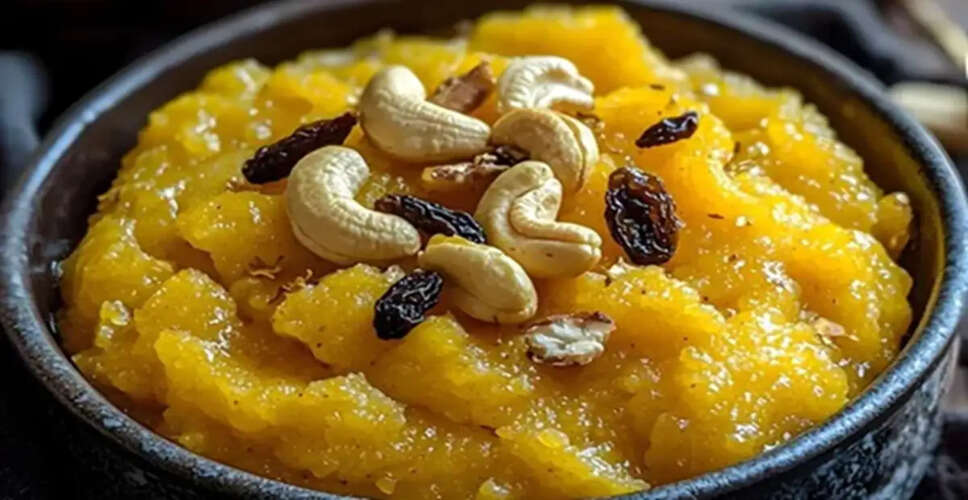

Mango Halwa Recipe
Every summer, the arrival of mangoes brings joy, but as the season ends, some mangoes become overly ripe, making them hard to enjoy fresh. Instead of discarding these soft fruits, consider making a delectable *halwa*. The combination of the mango's natural sweetness, semolina (*sooji*) sautéed in *desi ghee*, and the fragrant touch of cardamom creates a unique dessert experience.
This recipe is straightforward and doesn't require a long list of ingredients or hours in the kitchen. When cooked on low heat, the mango *halwa* achieves a beautiful golden color and a wonderfully soft texture. Topping it with roasted cashews adds an extra layer of flavor.
Utilizing the Last Mangoes of the Season
Mangoes that are very ripe and soft towards the end of the season are ideal for this dish. Start by extracting the pulp from the ripe mangoes and blending it into a smooth puree. If the mangoes are particularly sweet, you can slightly decrease the sugar amount.
Ingredients for the Mango Halwa
For this recipe, gather one cup of ripe mango puree, half a cup of semolina (*sooji*), a quarter cup of *desi ghee*, half a cup of sugar, one cup of lukewarm water, a quarter teaspoon of cardamom powder, and two tablespoons of coarsely chopped cashews. These simple ingredients yield an extraordinary flavor.
Steps to Prepare Mango Halwa
Begin by warming the *ghee* in a large pan. Add the chopped cashews and roast them until they are lightly golden, then set them aside. In the same *ghee*, add the semolina and roast it over medium heat for about five to six minutes, stirring constantly. Once the semolina turns light golden and emits a pleasant aroma, it is ready. Gradually pour in the lukewarm water while stirring continuously to prevent lumps from forming. The semolina will absorb the water and swell, thickening the mixture.
Incorporating the Mango Puree
Next, mix in the mango puree and sugar. Keep the heat low and cook for approximately seven minutes, stirring continuously. As it cooks, the mixture will deepen in color, blending the mango's natural sweetness with the sugar. Once the halwa starts to pull away from the sides of the pan and the ghee separates slightly, turn off the heat. Finally, stir in the cardamom powder and roasted cashews, and serve the mango halwa warm. You can also garnish it with additional cashews and small mango pieces.
Make Use of Overripe Mangoes
This recipe is perfect for utilizing mangoes that may not look appealing on the outside but are still sweet and delicious inside. However, avoid using any that are rotten or have spoiled areas. This way, you can enjoy a simple, fragrant dessert made from the last mangoes of the season right in your kitchen.