
Delicious Mawa Peda Recipe for Festive Celebrations
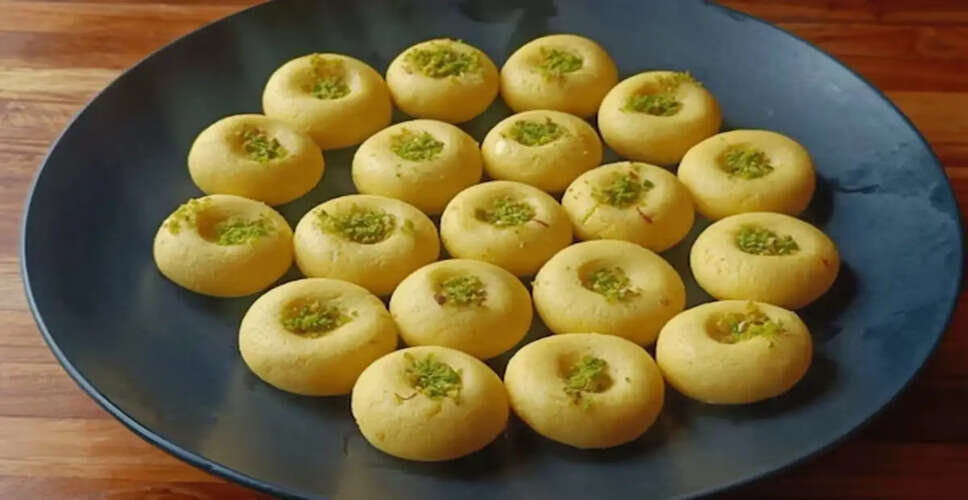

Mawa Peda Recipe
Mawa Peda Recipe: No celebration, be it Diwali or any special event, feels complete without sweets. As the festive season approaches, sweet shops become bustling with customers. While some opt for Kaju Katli, others lean towards Laddoos or Barfi. Among the traditional sweets, Mawa Peda stands out as a favorite. Its unique grainy texture, delightful milk aroma, and melt-in-the-mouth quality make it a must-have. Many believe that crafting pedas like those from a professional sweet shop requires extensive ingredients and time, but that's a misconception. With quality Mawa (khoya) at hand, you can whip up these delightful treats in just a few straightforward steps, without the hassle of making sugar syrup or complicated methods.
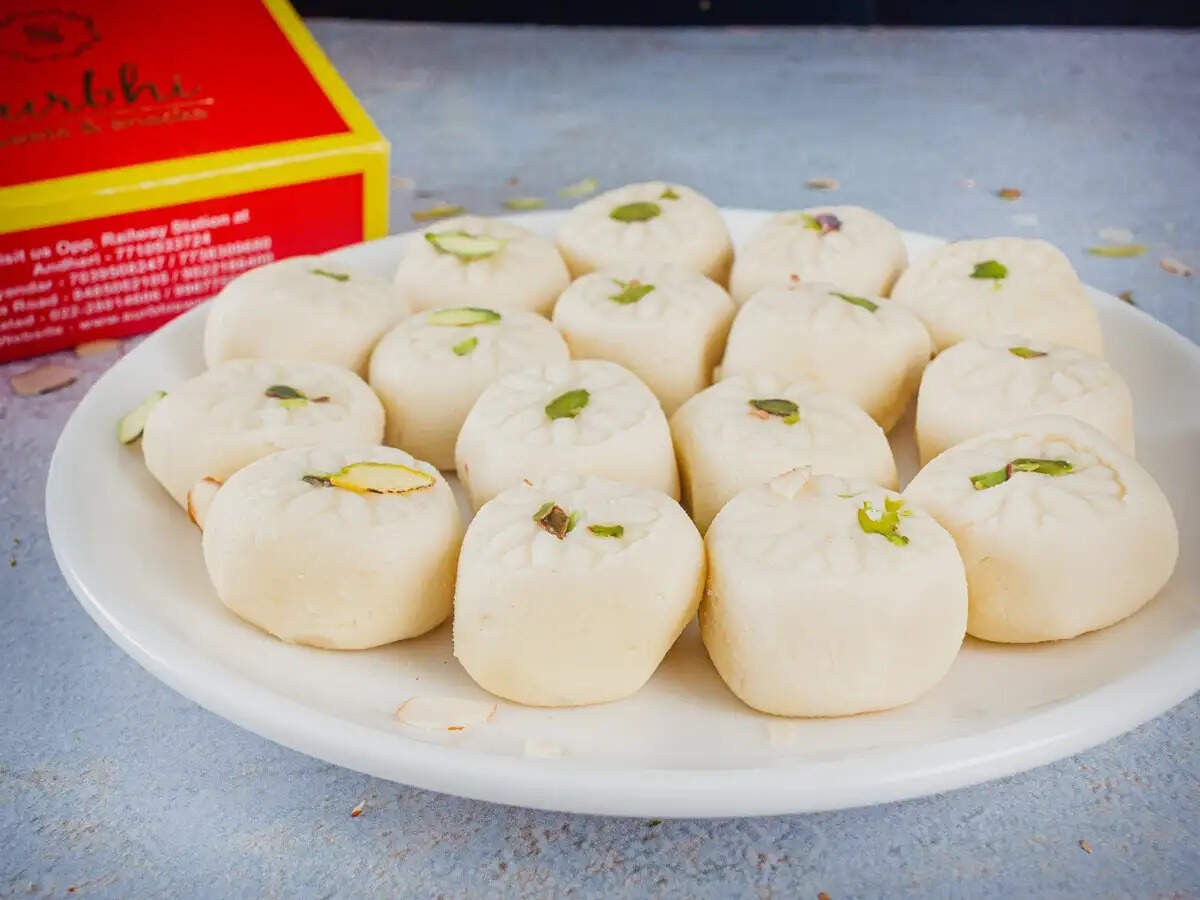
All you need is to roast the Mawa properly, use the right amount of sugar, and shape the mixture at the right time. With a bit of attention, you can create pedas at home that rival those from the market. These treats are perfect for Diwali, Bhai Dooj, birthdays, or any family gathering. Let’s dive into a simple recipe for Mawa Peda, along with some tips to enhance its flavor and texture.
Ingredients for Mawa Peda
Making Mawa Peda at home requires minimal ingredients. You will need 500 grams of Mawa (khoya), 100 to 125 grams of powdered sugar, half a teaspoon of cardamom powder, and one teaspoon of ghee. For garnishing, finely chopped pistachios or almonds work well. If you desire a subtle yellow tint, a few strands of saffron can be added, although the pedas will taste just as good without it. Adjust the sugar quantity based on your preference. Ensure that the Mawa is fresh and free from any sour smell.
Preparing the Mawa
To start making the pedas, place the Mawa on a large plate. If it has been refrigerated, allow it to reach room temperature for easier handling. Crumble it with your hands or grate it finely to ensure even heating in the pan and to avoid lumps. If the Mawa is already soft, you can use it directly. For the best texture in the pedas, it’s crucial that the Mawa is uniformly mixed throughout.
Roasting for Enhanced Flavor
Heat a heavy-bottomed pan and add a little ghee. Once the ghee is warm, add the Mawa and roast it on low heat. Stir continuously to prevent sticking or burning. As you roast, the Mawa will soften and emit a pleasant milky aroma, with excess moisture gradually evaporating. If you prefer lighter-colored pedas, avoid browning the Mawa too much; however, for a light golden hue, you can roast it a bit longer. Be cautious, as high heat can quickly burn the Mawa, ruining the flavor.
Incorporating Sugar
After roasting the Mawa, turn off the heat and let it cool slightly. It should be warm enough to handle but not too hot. Add the powdered sugar and cardamom powder, mixing thoroughly to ensure even distribution. Adding sugar while the Mawa is still hot can cause it to melt, making the mixture too soft and difficult to shape. Therefore, it’s best to let the Mawa cool a bit before adding the sugar.
Shaping the Pedas
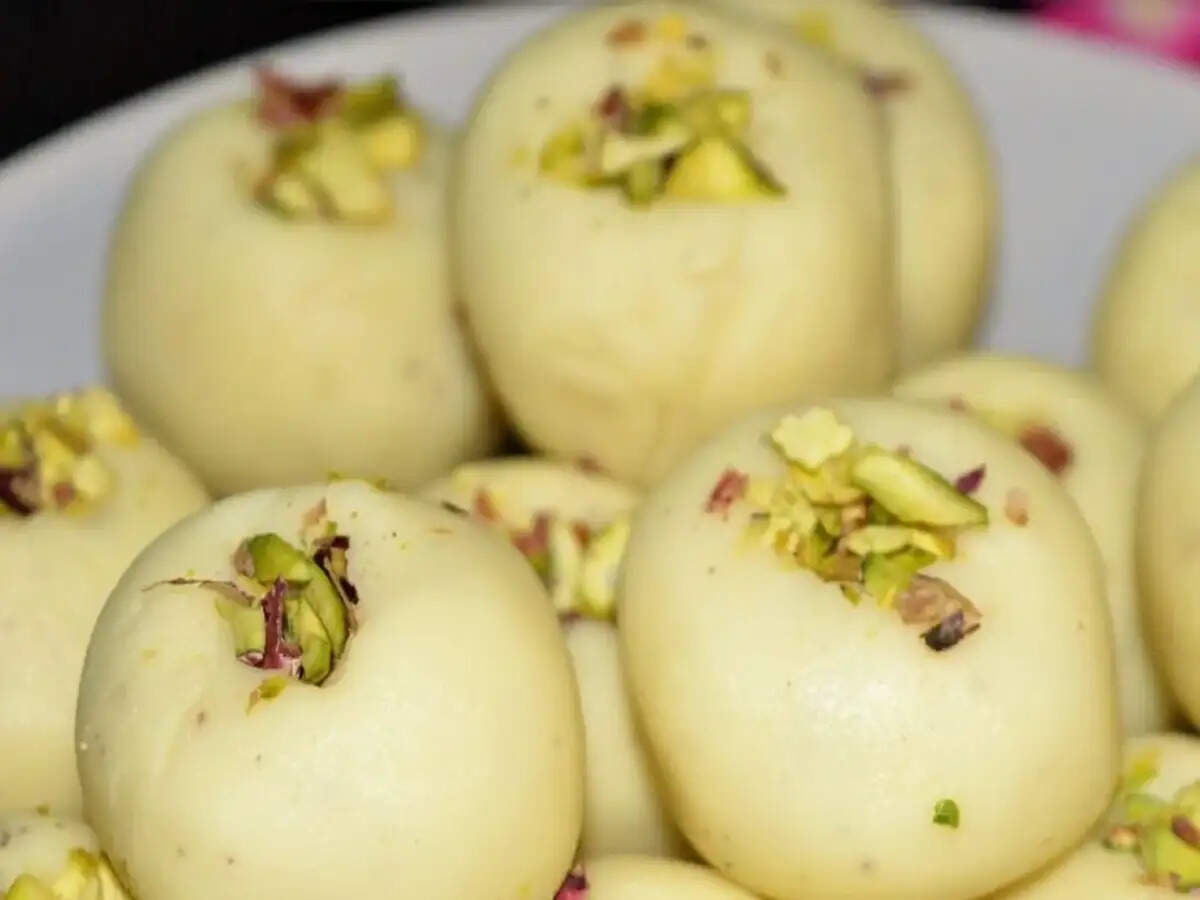
Once the Mawa and sugar mixture is ready, apply a little ghee to your hands. Take a small amount of the mixture, roll it into a ball, and gently press it to form a peda. Repeat this process for the remaining mixture. You can create a small indentation in the center of each peda with your thumb for a traditional look. If the mixture feels too soft, allow it to cool a bit more. Conversely, if it’s too dry, you can adjust the texture by adding a bit more Mawa.
PC Social Media