
Delicious Gujarati White Dhokla Recipe for a Perfect Breakfast
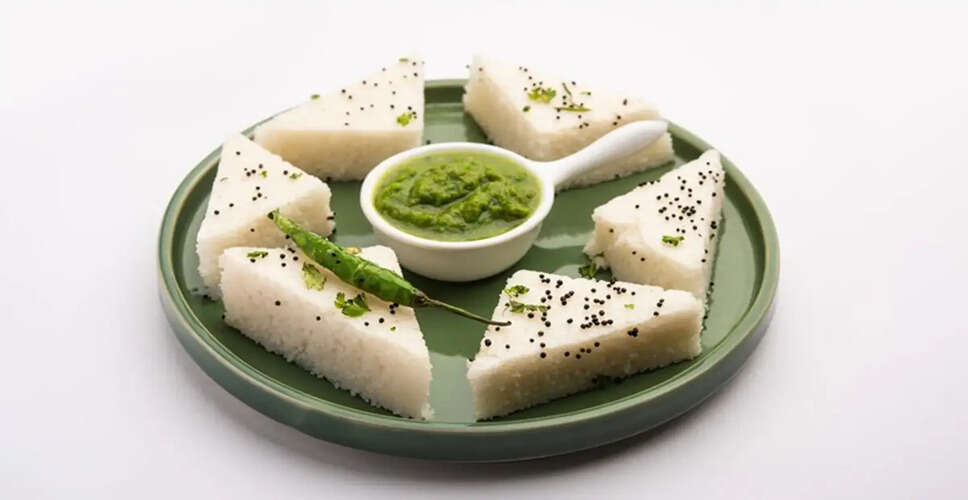

Introduction to White Dhokla
White Dhokla Recipe: For those who appreciate a light, tasty, and simple homemade breakfast, Gujarati White Dhokla is a fantastic option. While you can find dhokla in stores, nothing beats the freshness of homemade white dhokla. Its unique characteristics include a soft, spongy texture and a subtle tanginess, making it a favorite among all age groups. Many people think that preparing white dhokla is complicated or requires special ingredients; however, it can be easily made at home with the right proportions and straightforward steps. When the batter is prepared correctly and allowed to ferment adequately, the resulting dhokla turns out incredibly soft.
Perfect for Any Occasion
This dish is ideal for enjoying with morning tea, packing in children's lunchboxes, or serving to guests. Below are six simple steps to create authentic Gujarati White Dhokla that will consistently yield perfect results.
Step 1: Soak the Ingredients
Soak the rice and urad dal properly.
To start making white dhokla, proper preparation is essential. Begin by washing one cup of regular rice and a quarter cup of urad dal (split black gram) thoroughly. Soak them in water for approximately four hours. This soaking process softens the ingredients, making them easier to grind and setting the stage for the dhokla's soft texture.
Step 2: Prepare the Batter
Grind the batter to the right consistency
Enhance the flavor with ginger and green chilies
After soaking, drain the water from the rice and urad dal. Blend them with fresh ginger, green chilies, and a small amount of water. Ensure the batter remains thick and slightly grainy; this specific texture is crucial for achieving the signature sponginess of the dhokla.
Step 3: Fermentation
Allow the batter to ferment for sufficient time.
Transfer the blended batter into a deep container and cover it securely with a lid. Let it sit undisturbed for about 7 hours or overnight. During this period, small bubbles will form, indicating successful fermentation. Warmer conditions may speed up this process, while cooler temperatures might extend it.
Step 4: Activate the Batter
Activate the batter with fruit salt
This step is crucial for achieving a spongy texture: once the batter is ready, add a spoonful of oil and mix gently. Then, incorporate a spoonful of fruit salt or baking soda and stir vigorously. The batter will become frothy at this point. It’s important to steam the batter immediately after adding the fruit salt.
Step 5: Steaming the Dhokla
Steam and enhance the flavor
Before steaming, grease the steamer plate or pan with ghee. Pour the batter into it and sprinkle some red chili powder, black pepper, and sesame seeds on top. Steam in a pot with boiling water for about 20 minutes. To check if it’s done, insert a knife; if it comes out clean, the dhokla is ready.
Step 6: Serving Suggestions
The perfect way to serve
After steaming, let the dhokla cool for a few minutes. Cut it into your preferred shapes and serve it with green chutney or sweet tamarind chutney. Many households also add a tempering (tadka) of mustard seeds, curry leaves, and green chilies on top to enhance the flavor. If you’re looking for a light and nutritious breakfast option, this recipe is an excellent choice.
Conclusion
PC Social Media