
Delicious Arbi Bhujia Recipe: A Crispy Delight
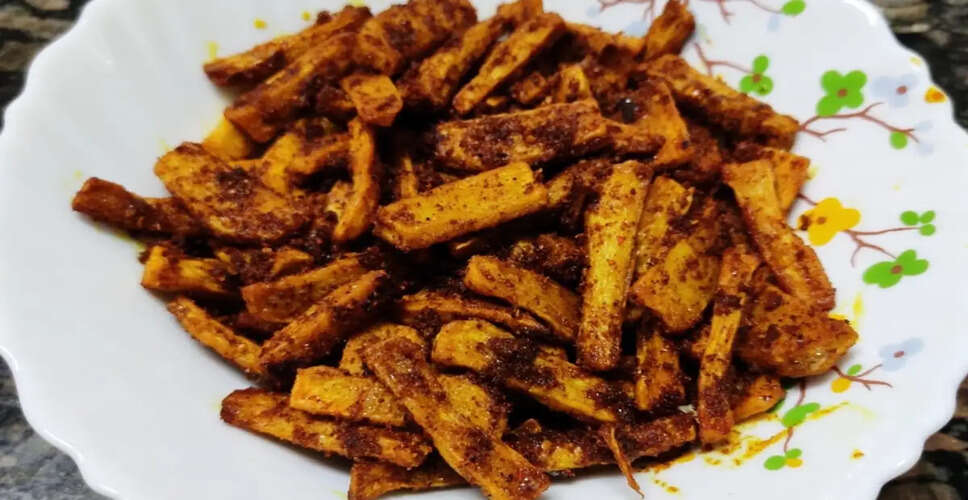

Discover the Arbi Bhujia Recipe
Arbi Bhujia Recipe: The mention of *Arbi* (also known as colocasia or taro root) often elicits a grimace in many households. This reaction is typically due to its sticky texture when cooked improperly rather than its flavor. However, with the right preparation and spices, this unassuming vegetable can transform into a delightful dish.
When paired with *roti* or rice, *Arbi* shines, especially when combined with the sweetness of onions, the fragrance of carom seeds (*ajwain*), and the zest of dry mango powder (*amchur*). If you're seeking a break from your usual *dal-sabzi*, crispy *Arbi Bhujia* with onions is a fantastic and simple choice. Let’s dive into the easy recipe.
Ingredients for Arbi Bhujia
**Ingredients for Arbi Bhujia**
To prepare this *bhujia*, gather 250g of *Arbi*, two large onions, two tablespoons of mustard oil, one teaspoon of carom seeds (*ajwain*), a quarter teaspoon of asafoetida (*hing*), half a teaspoon of turmeric powder, and one teaspoon of coriander powder. For added flavor, have half a teaspoon of Kashmiri red chili powder, half a teaspoon of dry mango powder (*amchur*), a quarter teaspoon of *garam masala*, and salt ready. Additionally, you will need two finely chopped green chilies, one teaspoon of grated ginger, and some fresh coriander leaves. You can either finely slice the onions or cut them into long, thin strips; the latter works particularly well in this *bhujia*, allowing the *Arbi* to roast evenly alongside them.
Preparing the Arbi
**Preparing the Arbi**
Begin by washing the *Arbi* thoroughly to eliminate any dirt. Place it in a pressure cooker with a glass of water and a pinch of salt, cooking it for just one whistle. Be cautious not to overboil the *Arbi*, as it can become too soft and fall apart. After the steam has released, take the *Arbi* out and let it cool completely. Once cooled, peel the *arbi* (colocasia/taro root). Lightly oil your hands and slice the *arbi* into rounds or thin strips. Sprinkle a bit of dry mango powder (*amchur*) or lemon juice and a pinch of salt on the pieces, allowing them to rest for about 5 minutes; this step aids in roasting and adds a hint of tanginess.
Creating Authentic Flavor with Onions and Spices
**Onions and spices create the authentic flavor**
Heat mustard oil in a pan. Once it’s hot, reduce the heat slightly and add carom seeds (*ajwain*), asafoetida (*hing*), green chilies, and ginger. When the carom seeds start to crackle, introduce the onions (either finely chopped or sliced lengthwise). Sauté the onions over medium heat until they soften and turn a light golden color. Next, add the prepared *arbi* and sauté it with the onions for a few minutes. Avoid covering the pan during this stage; cooking uncovered allows the exterior of the *arbi* to crisp up properly. Stir gently from time to time to prevent the pieces from breaking.
Tips for Achieving Crispiness
**Tips for achieving crispiness**
As the *arbi* begins to turn light golden, add turmeric powder, coriander powder, Kashmiri red chili powder, and salt to taste. Mix the spices thoroughly and continue roasting the *arbi* over low-to-medium heat. It’s preferable to roast it slowly rather than hurrying the process. Once the edges of the *arbi* become crispy and the color shifts to golden, sprinkle *amchur* powder and *garam masala* over it. Mix well, cook for about a minute, and then turn off the heat. Finally, garnish the *bhujia* with fresh coriander leaves.
Serving Suggestions
**Serve with *roti* or *dal-chawal***
Serve the hot *arbi-pyaz bhujia* (taro root and onion stir-fry) alongside *roti*, *paratha*, or *dal-chawal* (lentils and rice). The gentle sweetness of onions, the aroma of carom seeds (ajwain), and the tanginess of dry mango powder (amchur) give *arbi* (colocasia) a unique flavor that distinguishes it from typical vegetable dishes. If your family is not particularly fond of *arbi*, this crispy preparation might just win them over. Just remember not to overboil the *arbi* and keep the pan uncovered while roasting.
Connect with Us
PC Social Media