
Delhi-NCR Air Quality Update: Masks Still Essential Despite GRAP-4 Lifting
GRAP-4 Restrictions Lifted: What It Means for Residents
GRAP-4 Lifted: In a significant development for the residents of Delhi-NCR, the Commission for Air Quality Management has decided to lift the stringent GRAP-4 (Graded Response Action Plan, Phase 4) restrictions just in time for the festive season. This decision comes as the air quality in Delhi shows signs of improvement, with the average Air Quality Index (AQI) recorded at 271 on December 24, 2025, categorizing it as 'poor.'
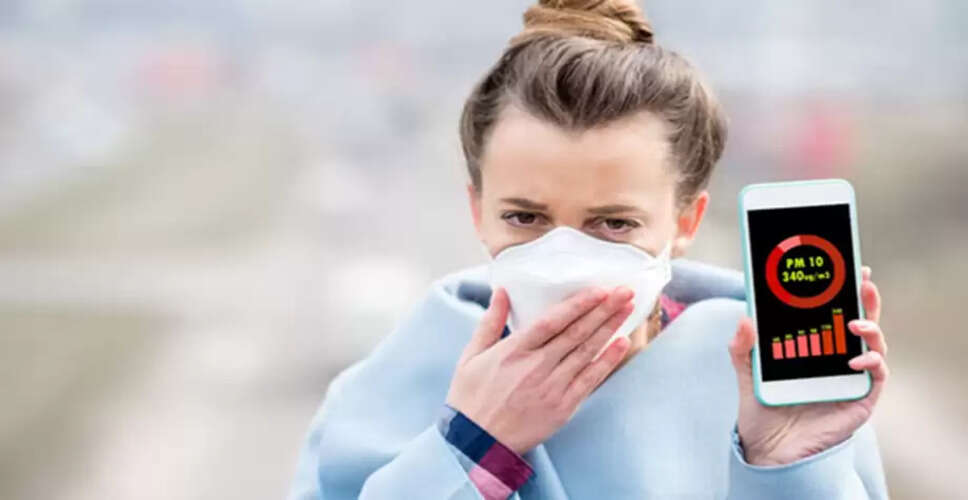
Nevertheless, the removal of GRAP-4 does not imply that pollution levels have returned to normal. Experts caution that the air quality remains in the 'poor' category, and the regulations from GRAP Stages 1, 2, and 3 will still be enforced. This raises an important question: Is it safe to remove masks? The answer remains a firm no. Masks were essential under GRAP-4 and continue to serve as a vital defense against fine particulate matter (PM 2.5), which is still prevalent in the atmosphere.
The Importance of Masks
Why are masks still necessary?
Despite the reduction in smog, the concentration of fine particles such as PM 2.5 in Delhi's air continues to exceed safe limits. These particles can infiltrate the lungs, leading to respiratory issues and cardiovascular diseases. With the AQI still classified as 'poor,' it is crucial to wear an N95 mask when venturing outdoors, particularly for vulnerable groups like children, the elderly, and individuals with pre-existing heart conditions.
Guidelines for Outdoor Activities
Outdoor Activities
Experts recommend avoiding outdoor exercises or morning walks until the AQI improves to a 'normal' level. Inhaling polluted air can introduce more toxins into the body than oxygen. Parents should ensure their children wear masks while attending school and encourage them to stay hydrated to aid in detoxification.
Staying Safe: Precautions to Take
Caution is the best protection.
Forecasts from the Meteorological Department suggest that fluctuations in wind speed could lead to a resurgence in pollution levels. In such circumstances, not wearing a mask could pose health risks. Until the air quality in Delhi is fully restored, it is prudent to incorporate mask-wearing into your daily routine.
Take these precautions:
In addition to wearing masks, consider the following precautions:
Limit outdoor activities until the AQI shows significant improvement.
Utilize a high-quality air purifier equipped with a HEPA filter to maintain clean indoor air.
Stay hydrated by drinking ample water and fluids to help eliminate toxins from your system.
Consider growing air-purifying plants like snake plants or aloe vera to enhance oxygen levels.
Engage in pranayama exercises indoors to strengthen lung capacity and include Vitamin C-rich fruits in your diet.
PC Social Media