
Cow Ghee vs. Buffalo Ghee: Which is Healthier for You?
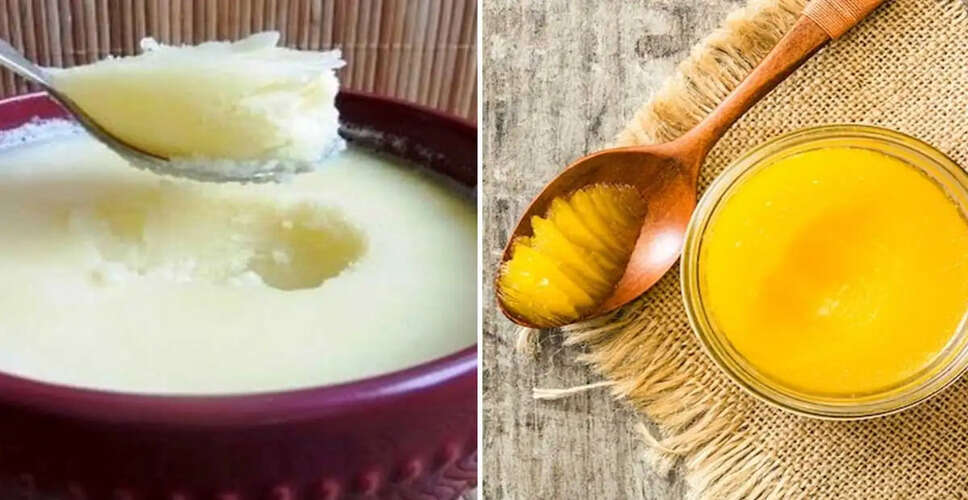

Understanding Cow Ghee and Buffalo Ghee
Ghee has been an essential ingredient in Indian cooking for ages. However, a common debate arises regarding its health benefits: is cow ghee superior to buffalo ghee? Both types are high in fat and derived from milk, making it crucial to consider not just the source of ghee but also your overall dietary habits, body weight, physical activity levels, and health conditions.
Nutritional Insights

The World Health Organization (WHO) advises that ghee contains saturated fats, suggesting moderation in its consumption. It is preferable to incorporate oils rich in unsaturated fats into your diet.
Comparing Cow Ghee and Buffalo Ghee
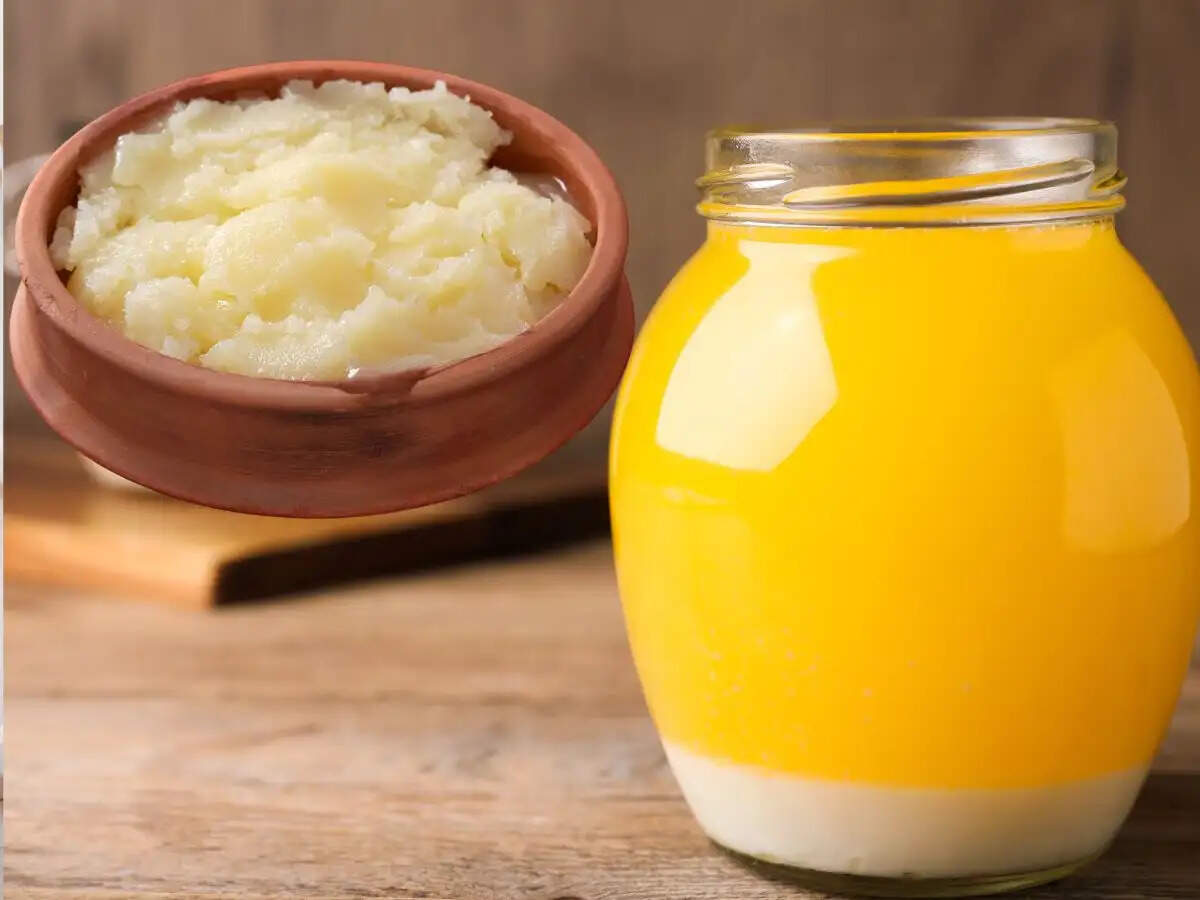
What distinguishes cow ghee from buffalo ghee?
While both types of ghee provide fat, their nutritional profiles may vary. It is misleading to assert that one is categorically healthier than the other. If your diet is already rich in high-fat items like milk, butter, or sweets, it’s essential to monitor your ghee consumption. The key factor is the total saturated fat intake within your overall diet.
Choosing the Right Ghee for Health
Which ghee is best for your health?
If you are in good health and enjoy ghee, a small quantity of either high-quality cow or buffalo ghee can be included in your diet. There’s no need to overindulge in either type for health benefits.
According to WHO guidelines, it’s advisable to limit saturated fat intake and replace it with unsaturated fat sources.
Instead of relying solely on ghee for dietary fat, aim for a balanced intake of various fat-containing foods.
Recommended Ghee Consumption
How much ghee is suitable for you?
The appropriate amount of ghee varies by individual, depending on caloric needs and overall dietary patterns. If you’re aiming to lose weight, have low physical activity, or consume a high-fat diet, it’s wise to restrict ghee intake. For those with high cholesterol, heart conditions, or other health concerns, it’s best to consult a healthcare professional or dietitian regarding ghee consumption. The American Heart Association also recommends limiting saturated fats and choosing unsaturated fat sources instead.
Key Considerations for Ghee Consumption
Important points to remember:
Avoid consuming excessive amounts of ghee under the misconception that it is inherently healthy. Instead, use it sparingly in dishes like rotis, lentils, or vegetables, while ensuring your diet is rich in fruits, vegetables, whole grains, pulses, nuts, and seeds.
Conclusion
PC Social Media