
Cooking Dal and Rice in an Electric Kettle: A Practical Guide
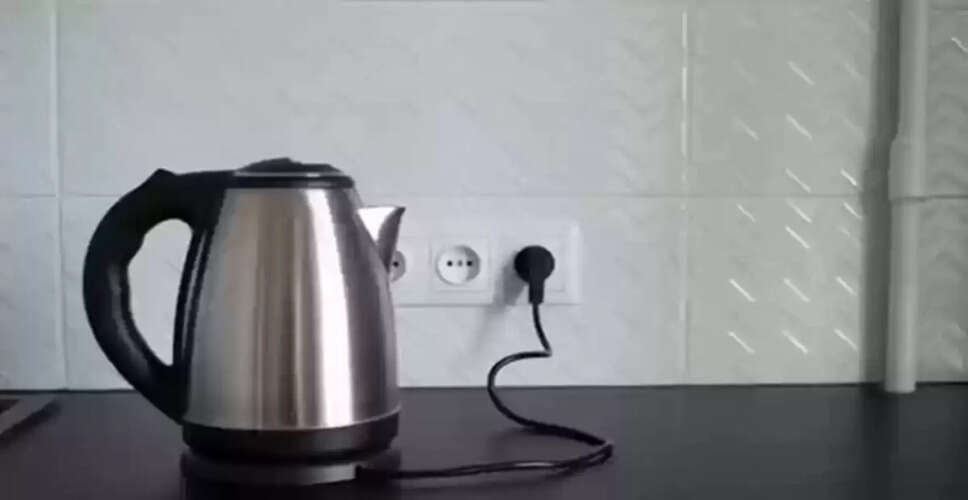

Cooking Dal and Rice in an Electric Kettle
How to Prepare Dal and Rice Using an Electric Kettle: With the ongoing LPG gas shortages, the trend of "no-gas cooking" has gained significant popularity. This method can be particularly beneficial during the hot summer months, offering both convenience and cost savings. For students, bachelors, and travelers, these cooking tips are especially valuable.
When gas is unavailable or kitchen facilities are limited, many turn to small appliances like electric kettles for cooking. However, the question arises: can traditional Indian dishes like *Dal* (lentils) and *Chawal* (rice) be effectively prepared in an electric kettle?
Electric kettles are primarily designed for boiling water, yet some people use them to cook instant noodles, rice, eggs, and even lentils. While this method may seem straightforward and time-efficient, it comes with various potential issues and risks.
This article explores the practicality of cooking *Dal* and rice in an electric kettle, the challenges you may face, and the safety measures to consider for effective usage. If you're looking for gas-free cooking alternatives, the insights shared here could be quite helpful.
Can You Cook Dal and Rice in an Electric Kettle?
In theory, cooking *Dal* and rice in an electric kettle is feasible; however, it is not regarded as a completely safe or suitable method. Since these kettles are intended solely for boiling water, using them for solid food can affect their efficiency and longevity.
Potential Issues to Consider
Cooking in an electric kettle may lead to several complications, including:
Risk of damaging the kettle prematurely
Extended cooking times due to the kettle's "auto-cut" feature
Food particles (like lentils or rice) adhering to the heating element
Possibility of overflow and electrical short circuits
Altered taste and texture of the food
Challenges in cleaning the kettle
Overlooked Risks When Cooking
Despite these risks, many individuals choose to cook in electric kettles. Here are some tips to consider:
Cook in small portions
Add water gradually during the cooking process
Monitor the boil by keeping the lid slightly open
Opt for a budget-friendly kettle
While these strategies may be effective, they are not recommended for regular use.
Safety Tips for Electric Kettle Cooking
If you decide to use an electric kettle for cooking, keep these guidelines in mind:
Always use small amounts of ingredients.
Avoid overfilling the kettle.
Supervise the cooking process closely.
Clean the kettle right after use.
Limit its use to emergency situations.
Is This the Right Cooking Method?
If you find yourself without alternatives, an electric kettle can be a temporary solution. However, it is not ideal for everyday cooking. An induction cooker or an electric rice cooker would be more suitable options.
PC Social Media