
Complete Guide to Fasting During Sawan 2026
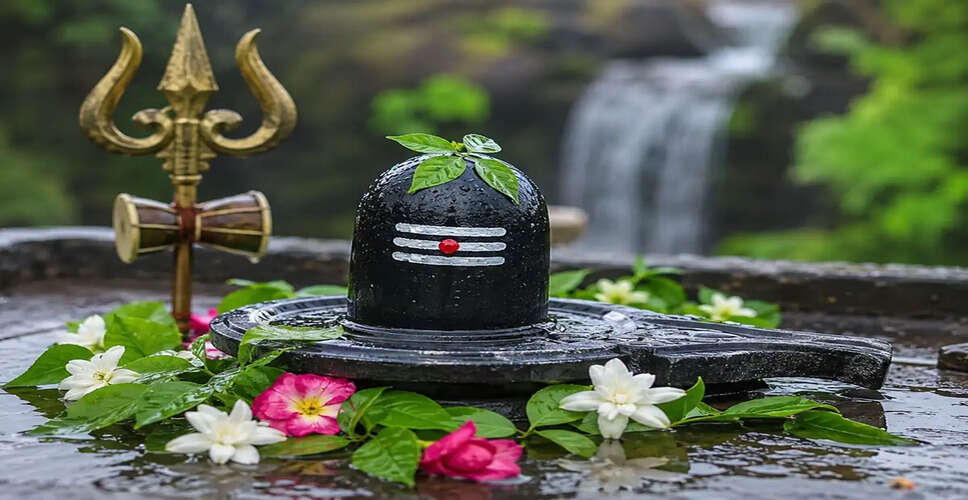

Sawan 2026 Fasting Overview
Introduction to Sawan 2026: The auspicious month of Sawan, cherished by Lord Shiva, commences on Thursday, July 30, aligning with *Ayushman Yoga* and *Shravana Nakshatra*. On this day, the Moon will be positioned in Capricorn while the Sun resides in Cancer. The *Pratipada Tithi* (first day) of the *Krishna Paksha* (waning phase) of Shravan lasts until 9:30 PM. This year, Sawan will last for 31 days, concluding on August 28. To receive blessings from Lord Shiva, devotees observe the *Sawan Somvar* (Monday) fast, along with special prayers and fasting on *Pradosh* and *Shivratri*.
Understanding Sawan Fasting
While seasoned practitioners of Sawan fasts are well-versed in the rituals, newcomers should familiarize themselves with the guidelines for worshiping Shiva. This detailed guide will help you navigate the Sawan fasting process.
Initiating the Sawan Fast
How to Start the Sawan Fast:
The *Sawan Somvar* fast is observed by both genders. Women also partake in the *Mangala Gauri* fast, with additional fasts on *Chaturthi*, *Pradosh*, and *Shivratri*. Although Sawan begins on July 30, the first *Sawan Somvar* is on August 3, marking the start of the fasting period. This year features four *Sawan Somvar* fasts and four *Mangala Gauri* fasts. Notably, *Sawan Shivratri* is on August 11, while *Pradosh* fasts are on August 10 and August 25.
Key Dates:
August 3: First Sawan Monday
August 10: Second Sawan Monday
August 17: Third Sawan Monday
August 24: Fourth Sawan Monday
August 4: First Mangala Gauri Fast
August 11: Second Mangala Gauri Fast
August 18: Third Mangala Gauri Fast
August 25: Fourth Mangala Gauri Fast
Observing the Sawan Somvar Fast
How to Observe the Sawan Somvar Fast:
To begin the *Sawan Somvar* fast, start on August 3. Continue fasting on each of the four *Sawan Somvar* Mondays, concluding with the *Udyapan* (ritual conclusion) on August 24. Some devotees choose to fast for five Mondays, including one in the month of Bhadrapada, performing the *Udyapan* on that day.
Others may wish to maintain the Monday fast throughout the year to fulfill a specific desire, typically starting on the first Monday of Sawan. For example, the '16 Mondays' (*Solah Somvar*) fast concludes on the sixteenth Monday.
Once you begin a fast, performing the concluding ritual (*Udyapan*) is crucial. Even those who fast for a lifetime must eventually perform this ritual.
Beginning the Mangala Gauri Vrat
Starting the Mangala Gauri Fast:
The Mangala Gauri fast commences on August 4 and concludes on August 25. If this fast is not traditionally observed in your area, you may opt for the Sawan Monday fast instead.
Comprehensive Sawan Fasting
All Sawan Fasts:
To fully engage in the fasting dedicated to Lord Shiva during Sawan, include the two *Pradosh* fasts and *Sawan Shivratri* along with the Sawan Monday fasts.
First-Time Fasting Considerations
Guidelines for First-Time Observers:
If you are fasting for the first time, make a commitment today to avoid *Tamasic* (impure or stimulating) foods throughout Sawan. This includes abstaining from meat, alcohol, smoking, and similar habits.
From the start of Sawan, adhere to the principles of *Brahmacharya* (celibacy/sensory restraint) for the entire month. If married, maintain the standards of a disciplined household.
On the first Monday of Sawan, rise early, complete your morning rituals, bathe, and dress in clean attire. Hold water in your hand and take a solemn vow (*Sankalp*) to observe the fast and worship Lord Shiva.
Every fast begins with a vow (*Sankalp*); it is essential for maintaining focus on your goal and determination.
While fasting, ensure purity in thought, word, and deed. It is contradictory to worship Shiva while harboring deceit or malice. Fasting and worship are ineffective if accompanied by feelings of violence or hatred.
Lord Shiva consumed poison to save the universe; however, some misinterpret this and indulge in intoxicants, seeking to satisfy their *tamasic* desires in his name, which is inappropriate.
Worship Practices During Fasting
On fasting days, perform *Jalabhishek* (ritual bathing with water) of Lord Shiva using holy water. Offerings may include *Belpatra* (wood apple leaves), *Akshat* (unbroken rice grains), raw cow's milk, honey, sandalwood paste, flowers, *Bhang*, *Dhatura*, and *Shami* leaves.
During worship, men should chant the mantra "Om Namah Shivaya," while women should chant "Namah Shivaya." If you have a *Guru Mantra*, you may chant that as well. Recite the *Shiv Chalisa* and conclude with *Aarti*. Light a lamp near the *Shivling* in the evening.
Even on non-fasting days, continue performing *Jalabhishek* of Lord Shiva throughout Sawan to receive his blessings.
If possible, arrange for a *Rudrabhishek* on any fasting day.
Conclusion
PC Social Media