
Comparing Chia Seeds and Psyllium Husk for Constipation Relief
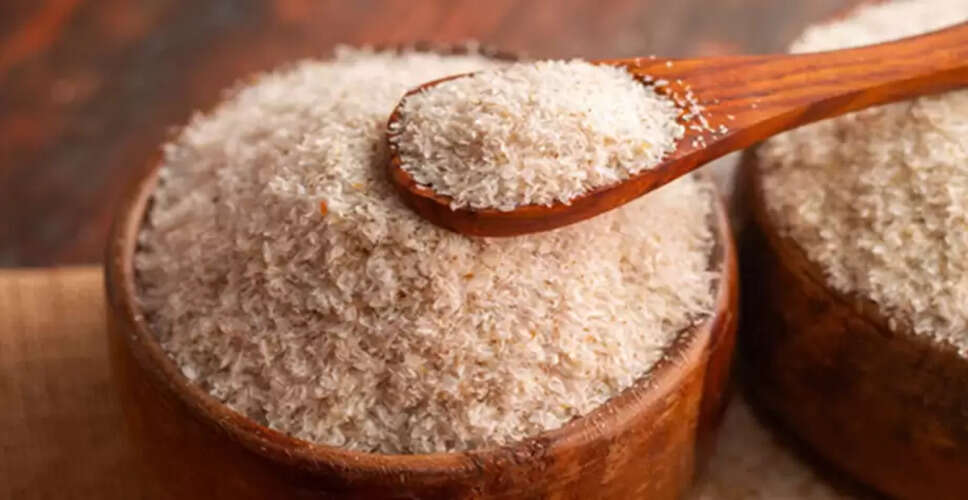
Home Remedies for Chronic Constipation
Home Remedies for Chronic Constipation: Recently, social media has sparked a lively discussion comparing chia seeds with psyllium husk. Many users are labeling chia seeds as an 'overhyped' trend from the West, while they regard psyllium husk as the authentic solution for constipation relief. This condition affects millions globally, making the choice of fiber crucial for effective management.
Chia seeds are often celebrated for their omega-3 fatty acids and high protein levels, whereas psyllium husk has been utilized in Ayurveda for centuries due to its exceptional ability to absorb water. The ongoing debate questions whether chia seeds can genuinely replace psyllium husk or if the traditional remedy holds the upper hand.
This article will delve into the nutritional profiles, fiber types, and digestive impacts of both options, aiding you in determining which is more advantageous for your gut health.
Understanding Psyllium Husk
Psyllium husk is mainly recognized as a source of soluble fiber. When ingested, it absorbs water in the stomach, forming a gel-like consistency that softens and increases stool bulk. It effectively cleanses the intestines, making it particularly beneficial for those dealing with chronic constipation, as its primary function is to purify the digestive system.
Exploring Chia Seeds
Chia seeds provide both soluble and insoluble fiber. They are nutritionally rich, offering not only fiber but also omega-3 fatty acids and antioxidants. While psyllium husk is dedicated to digestive health, chia seeds also support weight loss and cardiovascular wellness. However, they may take longer to alleviate constipation compared to psyllium husk.
The Role of Hydration and Consumption Methods
For both chia seeds and psyllium husk, adequate hydration is essential. Insufficient water intake can exacerbate constipation rather than alleviate it. Typically, psyllium husk is consumed at night with milk or water, while chia seeds are best enjoyed in the morning, perhaps blended into a smoothie or pudding.
Which Option is Right for You?
If your main objective is to achieve rapid relief from chronic constipation, psyllium husk is the more effective choice. Conversely, if you aim to enhance your overall diet while managing nutrition and weight alongside constipation, chia seeds are a fantastic option. Depending on your personal preferences, you might even consider incorporating both into your routine.
PC Social Media