
Cloud Seeding Trials in Delhi: A Step Towards Combatting Pollution
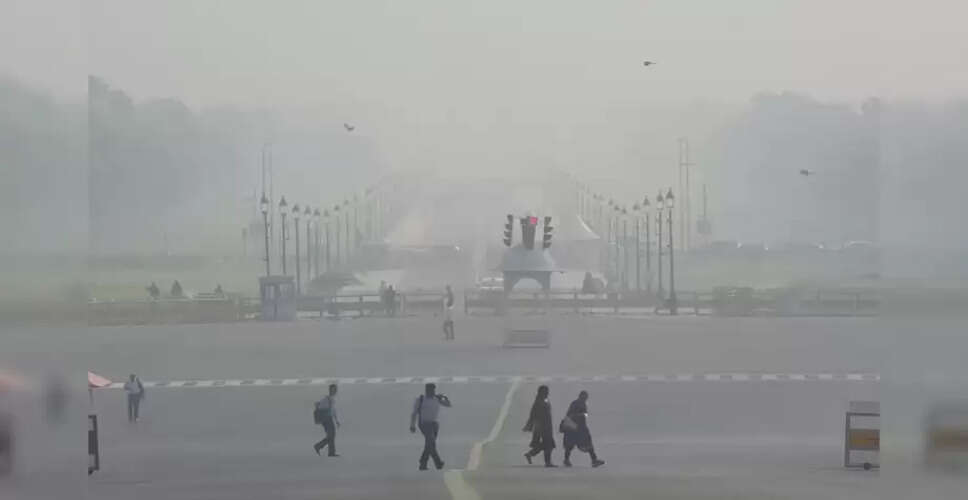
Cloud Seeding Initiative in Delhi
Cloud Seeding in Delhi: To tackle pollution levels, artificial rain is being generated in Delhi. A trial run of cloud seeding was executed today using a Cessna aircraft, with expectations of rainfall occurring within a timeframe of 15 minutes to 4 hours. The operation has been carried out in areas such as North Karol Bagh, Khekra, Mayur Vihar, and Sadiqpur, and will continue intermittently over the coming days. Although initially planned for Wednesday, the trial was advanced due to favorable cloud conditions. A pressing concern remains whether this artificial rainfall, expected shortly, poses any health risks. To clarify these concerns, we consulted K.J. Ramesh, former Deputy General Manager of the Indian Meteorological Department.

What is Artificial Rain?
Artificial rain refers to a method of enhancing existing clouds to induce precipitation. While natural rain occurs when moisture in clouds condenses into droplets, artificial rain involves using technology to convert moisture into ice crystals or droplets, prompting them to fall to the ground.
How is Cloud Seeding Conducted?
Clouds form from moisture, but for them to produce rain, condensation nuclei are necessary for droplet formation. If a cloud has sufficient moisture but is not producing rain, cloud seeding is employed to enhance its capacity. The operational team first uses radar or satellite to identify nearby clouds, assessing their size and movement. For instance, if rain is desired in Delhi, silver iodide is injected into the clouds before they reach the city, facilitating droplet formation and subsequent rainfall.
Is Water Added to Clouds?
No, during the cloud seeding process, water is not introduced to the clouds; they already contain adequate moisture.
Can Cloud Seeding Occur Without Clouds?
No, artificial rain cannot be generated without the presence of clouds. Currently, there is no technology available to create clouds artificially.
Can Rainfall be Induced Across All of Delhi Simultaneously?
Since cloud seeding relies on existing clouds, it can only be performed in the direction from which the clouds are moving. This requires precise targeting.
Can Cloud Movement be Controlled?
The direction and speed of clouds cannot be altered; they are influenced by wind patterns and the amount of moisture they carry. Artificial rain can only be produced from clouds that are already heading towards Delhi.
Is Artificial Rainwater Safe for Health?
Yes, artificial rainwater is considered safe. Extensive research has shown that the addition of silver iodide does not pose health risks, so there is no cause for concern.
What is the Success Rate of Artificial Rain?
Artificial rain has been successfully implemented in states like Maharashtra, Karnataka, and Tamil Nadu, yielding positive results. Studies indicate that it can enhance rainfall by 15 to 20 percent.
What are the Costs Involved?
The cost of cloud seeding varies based on the number of teams and aircraft involved, as well as the area that needs to be covered.
What are the Implications for Surrounding Areas?
While artificial rain can be directed to specific locations, it may result in reduced rainfall in adjacent areas. However, this is not a frequent occurrence and is typically conducted where it is most needed, minimizing adverse effects.
Impact on Pollution Levels:
Rainfall can help reduce pollutants, but if it is localized, only the targeted areas will see a decrease in pollution, while other regions may remain unaffected.
PC Social Media