
Celebrating World Breastfeeding Week 2026: Importance and Benefits of Breast Milk
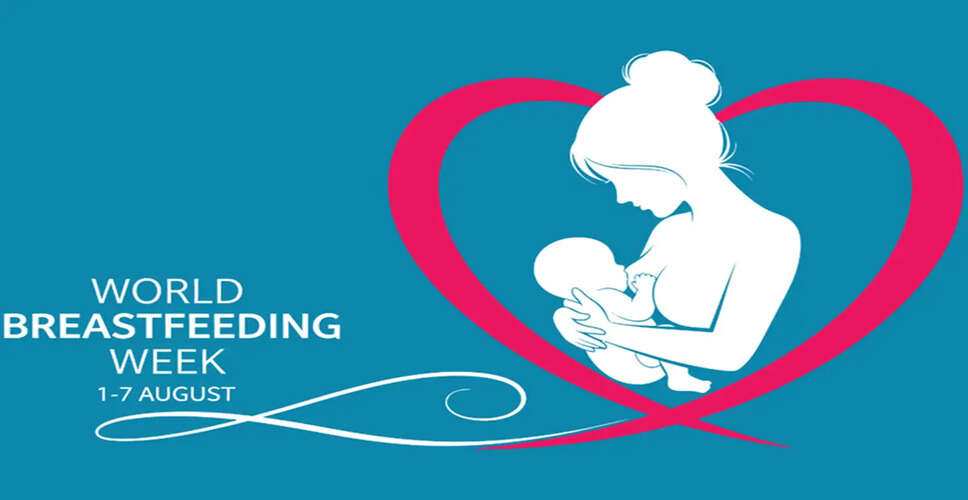

World Breastfeeding Week 2026
World Breastfeeding Week is celebrated every year from August 1 to 7, aiming to highlight the significance of breast milk and encourage breastfeeding for the optimal health of infants.
It is crucial for everyone to recognize that breast milk is the most comprehensive source of nutrition for a newborn in the early months of life, providing essential nutrients, antibodies, and energy necessary for healthy growth.
Experts emphasize that exclusive breastfeeding for the first six months is vital for a child's physical and cognitive development. Let's delve into the reasons why breast milk is indispensable for newborns, its advantages, and important considerations regarding breastfeeding.
The Importance of Breast Milk for Infants
Breast milk is often regarded as nature's optimal nutrition for infants. It is rich in proteins, fats, vitamins, minerals, and other components that cater specifically to the baby's nutritional requirements.
Key Benefits of Breastfeeding
1. Disease Protection
The antibodies found in breast milk bolster the baby's immune system, helping to shield them from various infections, including diarrhea, pneumonia, and respiratory diseases.
2. Supports Development
The nutrients provided through breastfeeding are crucial for the development of the baby's brain, eyes, and overall body, supporting rapid growth during the initial months.
3. Enhances Mother-Child Bond
Breastfeeding serves not only as a nutritional source but also fosters a strong emotional connection between mother and child, instilling a sense of security and belonging in the baby.
4. Benefits for Maternal Health
Breastfeeding aids in the mother's postpartum recovery and is linked to a reduced risk of certain health complications.
The Significance of the First Six Months
The World Health Organization (WHO) advocates for exclusive breastfeeding for the first six months after birth. Following this period, breastfeeding can continue alongside the introduction of other nutritious foods tailored to the child's needs.
Dietary Considerations for Nursing Mothers
**Mothers should focus on their nutrition**
A breastfeeding mother's diet significantly influences her health and the quality of her breast milk. During this time, increased energy and nutrient intake is essential, as the baby relies on the mother's body for nourishment. It is advisable for mothers to consume protein-rich foods, calcium, iron, vitamins, and minerals.
Incorporating lentils, green vegetables, fruits, dairy products, whole grains, and nuts into their diet is beneficial. Staying hydrated is also crucial to avoid dehydration while breastfeeding. Additionally, managing stress and fatigue is important for maintaining milk production; thus, adequate rest and sleep are recommended. Mothers should refrain from alcohol, smoking, and excessive caffeine consumption.