
Celebrating Vijayadashami: Rituals and Significance of Dussehra 2026

Understanding Vijayadashami
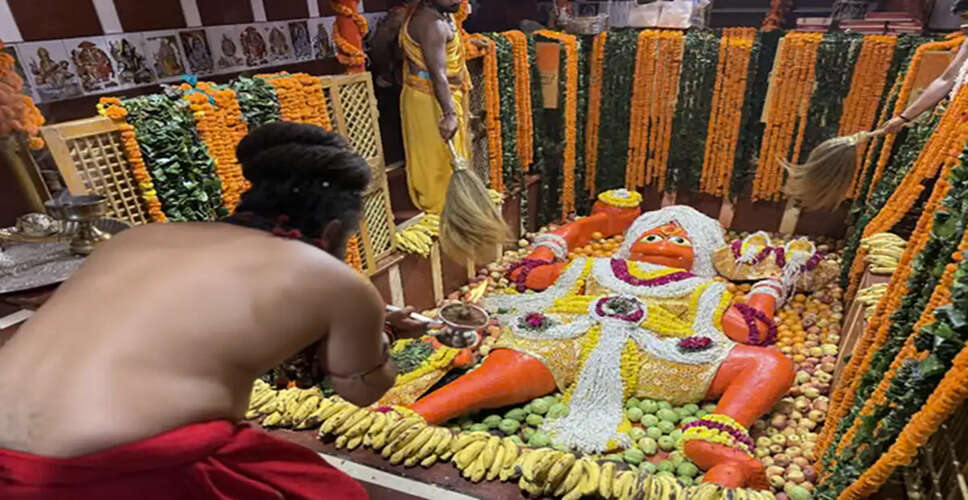
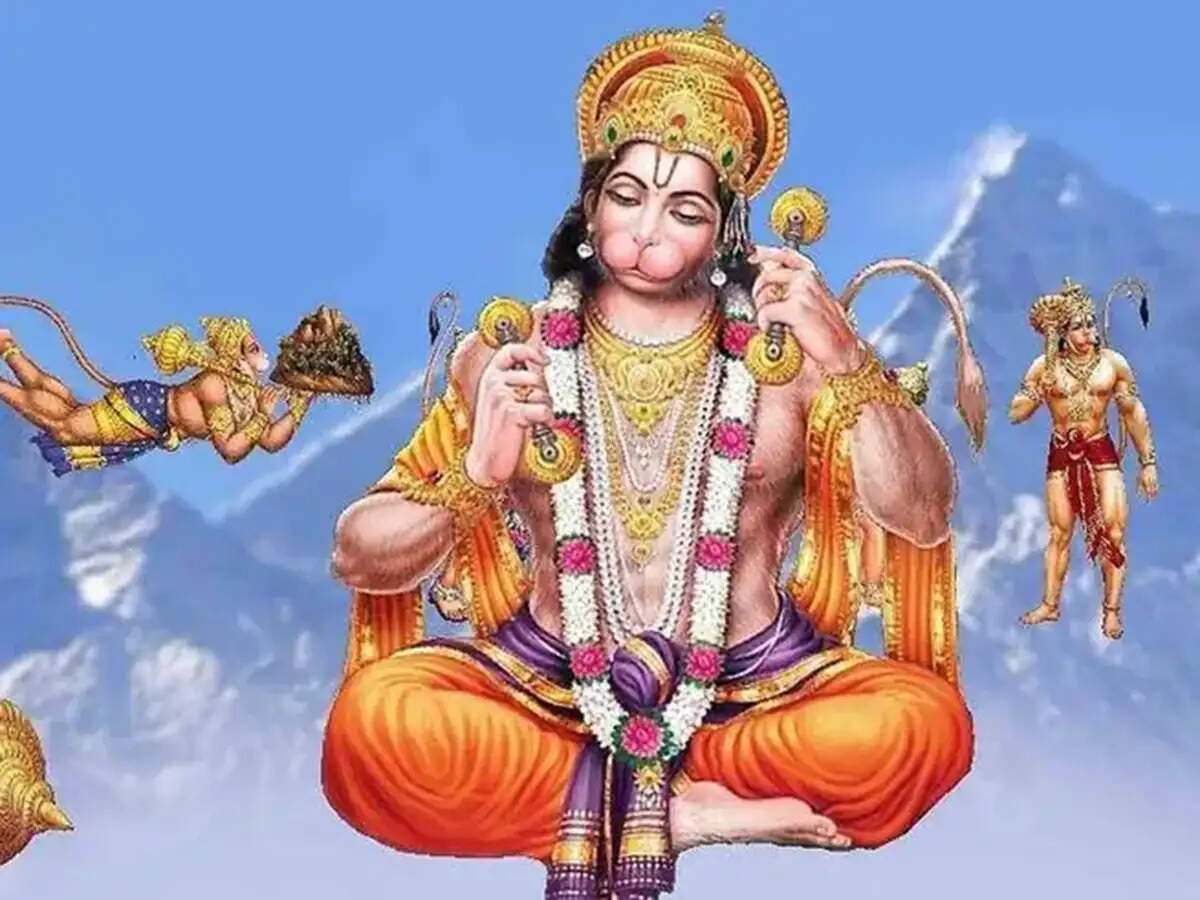
Vijayadashami, also known as Dussehra, represents the triumph of good over evil. In 2026, this significant festival will be observed on Tuesday, October 20th. Tuesdays hold special importance for devotees of Lord Hanuman, making this particular Vijayadashami especially favorable for deepening one's devotion to Bajrangbali (Lord Hanuman). It is a time for cultivating courage, self-confidence, and seeking relief from life's challenges. Devotees believe that sincere worship of Lord Hanuman, along with reciting the Hanuman Chalisa and helping those in need, can yield positive outcomes.
Rituals to Observe on Vijayadashami
1. Present a 'Meetha Paan'
On Vijayadashami, after cleansing oneself and dressing in fresh attire, visit a Hanuman temple. Present a 'meetha paan' to Bajrangbali with heartfelt devotion. While praying, focus on your desires and ask the Lord for wisdom, courage, and the well-being of your family. Ensure that the offerings are pure and made with deep respect.
2. Offer a Red Flag
Presenting a red flag on Dussehra is deemed auspicious. The color red signifies strength and valor. It is believed that this offering enhances courage and self-confidence, aiding in the successful completion of outstanding tasks.
3. Recite the Hanuman Chalisa
On this day, consider committing to recite the Hanuman Chalisa seven times. If pressed for time, ensure at least one sincere recitation. This practice is thought to provide spiritual grounding, helping to dispel fear and negativity while maintaining mental steadiness. Reflect on Lord Hanuman's virtues during the recitation.
4. Offer Vermilion and Jasmine Oil
Traditionally, devotees offer vermilion (sindoor) to Lord Hanuman. On Vijayadashami, you may present vermilion and jasmine oil, following the temple priest's guidance. This act is believed to attract Lord Hanuman's blessings. Maintain cleanliness and devotion throughout the worship.
5. Recite the Sundarkand
Dussehra commemorates Lord Shri Ram's victory, with Lord Hanuman as His devoted follower. Reciting the Sundarkand on this day is a significant act of devotion. You can do this at home with family or join a temple recitation, which fosters a deeper connection to Lord Shri Ram and Lord Hanuman.
6. Offer Boondi or Gur-Chana
Many devotees offer boondi, boondi laddus, or jaggery and gram (gur-chana) to Lord Hanuman. On Vijayadashami, make a pure offering based on your devotion and capacity. Afterward, share the prasad with family and fellow devotees, and consider providing food to those in need as a virtuous act.

7. Chant the Name of Shri Ram
Lord Hanuman exemplifies service, humility, and dedication to Lord Shri Ram. Chant mantras like "Shri Ram Jai Ram Jai Jai Ram" or "Om Hanumate Namah" with genuine devotion, transforming your faith into action.
Conclusion
Vijayadashami is not just a festival; it is a time for reflection, devotion, and community. Engaging in these rituals can enhance one's spiritual journey and foster a sense of unity and purpose.