
Celebrating Tulsi Vivah: Rituals and Significance

Understanding Tulsi Vivah Rituals
Tulsi Mata Shringar Vidhi (Ritual Adornment): In Hindu tradition, every Ekadashi holds unique importance, with Devutthana Ekadashi being especially revered. It is believed that on this day, Lord Vishnu awakens from his four-month meditative state (Yoga Nidra), heralding the start of various auspicious events, including weddings.
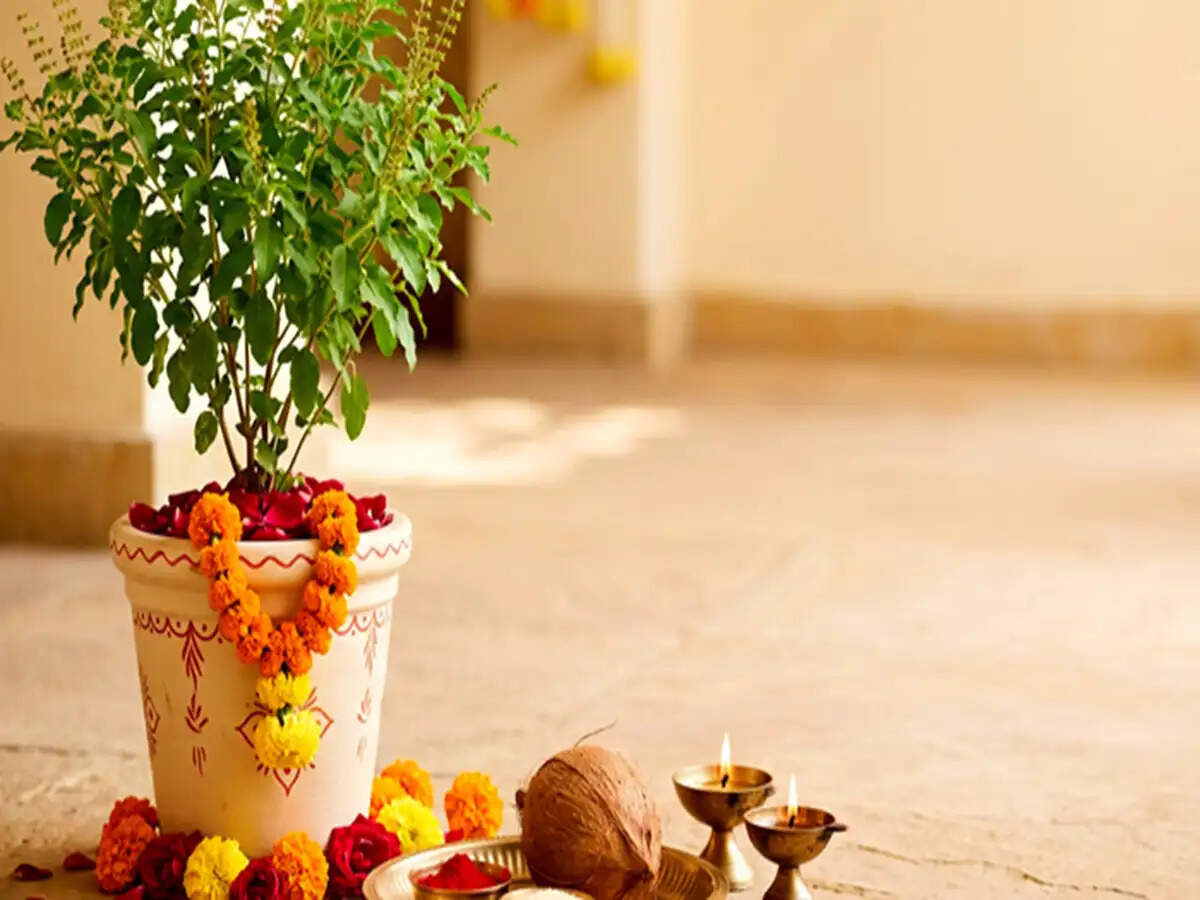
During Devutthana Ekadashi, many devotees partake in the 'Tulsi Vivah' (the ceremonial marriage of the Tulsi plant). In certain regions, this ritual, which symbolizes the union of Mata Tulsi with Lord Shaligram, is performed on the Dwadashi Tithi (the twelfth day of the lunar fortnight). It is considered highly auspicious to dress Mata Tulsi as a bride on Tulsi Vivah, using items like a red *chunri* (veil), bangles, a *bindi*, and other traditional offerings. Let's delve into the process of adorning Mata Tulsi and the key aspects to remember.
When is Tulsi Vivah 2026?
When is Tulsi Vivah 2026?
According to the Hindu calendar, Tulsi Vivah occurs on the Dwadashi Tithi of the Shukla Paksha (bright fortnight) in Kartika month. This year, the Dwadashi Tithi will commence at 06:31 AM on November 21, 2026, and conclude at 04:56 AM on November 22, 2026. Based on the *Udaya Tithi* (sunrise-based date), Tulsi Vivah will be celebrated on Saturday, November 21, 2026.
Preparing for the Tulsi Vivah Ceremony
Preparing for the Tulsi Vivah Ritual
To get ready for the Tulsi Vivah ceremony, start by cleaning the area where the Tulsi plant is located. After that, sprinkle *Gangajal* (water from the Ganges) or other sacred water over the area. Dress Mata Tulsi in new clothes and place Lord Shaligram on a beautifully decorated *asana* (ceremonial seat) dressed in yellow. Follow the prescribed rituals by offering sandalwood, flowers, and Tulsi leaves. It is customary to sing auspicious songs, chant wedding mantras, and perform *aarti* during this time. After the worship, offer *panchamrit* (a mixture of five sacred ingredients), sweets, or *kheer* (rice pudding) to both Mother Tulsi and Lord Shaligram. Observing the *Devutthana Ekadashi* fast is also a part of this day. The worship concludes with the evening *aarti* of Mother Tulsi.
How to Adorn Mother Tulsi
How to Adorn Mother Tulsi
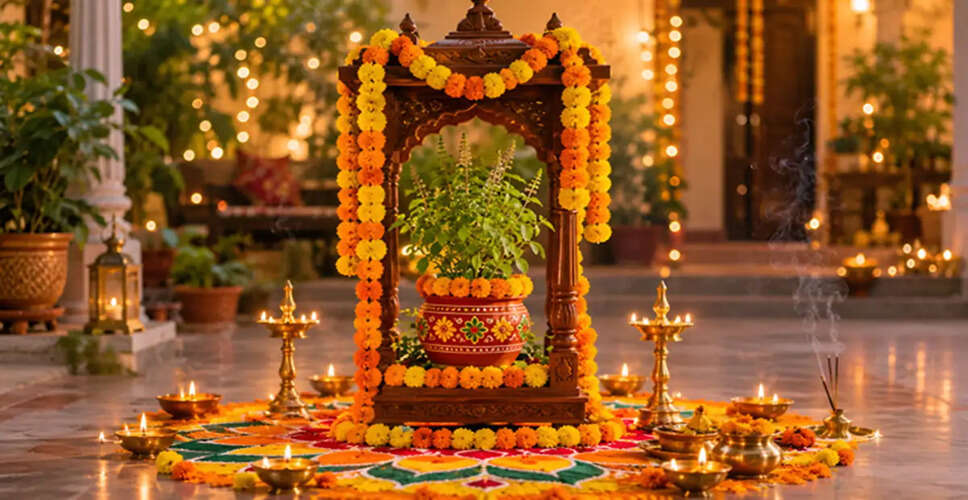
Adorning Mother Tulsi is a vital aspect of the *Tulsi Vivah* rituals. It is traditional to dress her as a bride on this day. Begin by cleaning the area around the Tulsi plant and purifying it with sacred water. Drape Mother Tulsi in a red or yellow *saree*, as these colors symbolize auspiciousness and prosperity. For her adornment, use items like a *chunri* (veil), bangles, a *nathni* (nose ring), *maang tikka* (head ornament), necklaces, bracelets, a *bindi*, and a *kamarband* (waist belt). Additionally, create a beautiful *rangoli* around the plant and light *diyas* (earthen lamps) to enhance the worship space. This adds a special touch to the *Tulsi Vivah* preparations.
Significance of Tulsi Vivah
Significance of Tulsi Vivah
The *Tulsi Vivah* marks the ceremonial marriage between Mother Tulsi (Vrinda Devi) and Lord Shaligram, who is regarded as a manifestation of Lord Vishnu. It is believed that conducting a *Tulsi Vivah* brings joy, prosperity, and good fortune to the household. Devotees who perform this ceremony at home, adhering to all rituals, receive the special blessings of Lord Vishnu and Mother Lakshmi. Observing a fast on the day of *Tulsi Vivah* is thought to help unmarried women find a suitable spouse, while married couples believe it brings happiness, peace, and prosperity to their married life.
Social Media
PC Social Media