
Celebrating the Hindu New Year: A Tapestry of Traditions Across India
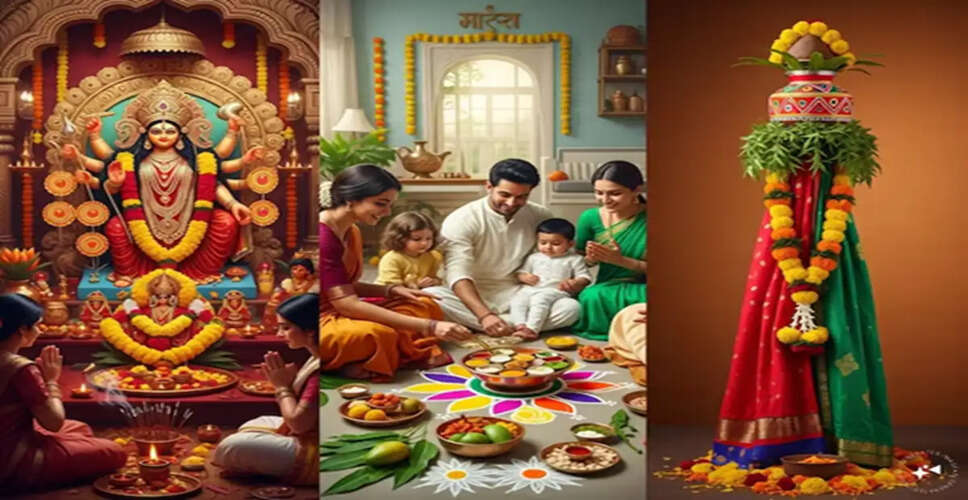
Understanding the Hindu New Year
Hindu New Year: India's rich diversity is beautifully showcased through its festivals, with the Hindu New Year being a prime example. While this New Year is celebrated nationwide, it goes by various names in different regions. For instance, it is known as Chaitra Navratri in some areas, Ugadi in others, and Gudi Padwa in yet more places. This often leads to confusion about whether these are separate celebrations or simply different names for the same occasion.
In truth, these names represent unique expressions of the Hindu New Year, celebrated simultaneously, each deeply rooted in local traditions, cultures, and the calculations of the *Panchang* (Hindu calendar).
Every region in India boasts its own language, cuisine, and customs, leading to variations in festival names and celebrations. However, the core essence remains consistent: the welcoming of new beginnings, fresh energy, and positivity. This shared spirit is why a festive atmosphere envelops the nation on this day, albeit under different titles.
The Foundation of the Hindu New Year
What Marks the Hindu New Year?
The Hindu New Year traditionally begins on the *Pratipada* (first day) of the *Shukla Paksha* (waxing moon phase) in the month of *Chaitra*. This day aligns with the arrival of spring, a season characterized by vibrant greenery, blooming flowers, and a sense of renewal. It is also celebrated as the day of the Universe's Creation. The Hindu *Panchang* is based on lunar and solar cycles, which is why its dates differ from the Gregorian calendar. Consequently, the Hindu New Year date varies each year, yet its significance remains unchanged.
Regional Celebrations: Chaitra Navratri, Gudi Padwa, and Ugadi
Chaitra Navratri in North India
In Northern India, this day marks the beginning of the nine-day festival known as Chaitra Navratri. During this time, devotees worship the nine forms of Goddess Durga and observe fasting rituals. Thus, the New Year in this region is celebrated with a focus on spiritual discipline and devotion, leading many to primarily recognize it as Chaitra Navratri, even though it also signifies the start of the Hindu New Year.
Gudi Padwa in Maharashtra and Goa
In Maharashtra and Goa, the day is celebrated as Gudi Padwa. People raise a special flag called a 'Gudi' outside their homes, symbolizing victory, prosperity, and joy. This day is believed to commemorate Lord Rama's return to Ayodhya, marking it as a day of triumph and new beginnings. Families don new attire, prepare sweets, and celebrate with great enthusiasm.
Ugadi in Southern India
In the southern states of Karnataka, Andhra Pradesh, and Telangana, this day is known as Ugadi, which translates to 'new beginning.' A special dish called 'Ugadi Pachadi' is prepared, combining sweet, sour, bitter, and spicy flavors, symbolizing the diverse experiences of life. People clean their homes, create *rangolis* (decorative patterns), and joyfully welcome the New Year.
Unity in Diversity
Common Themes Across Celebrations
Upon examining Chaitra Navratri, Gudi Padwa, and Ugadi, one can identify a shared theme of new beginnings and positivity. The differences lie mainly in the names and specific rituals. In a vast nation like India, where each state has its unique identity, it is natural for festivals to be celebrated in various ways. This diversity is a testament to our culture's beauty: despite our differences, we remain united.
Cultural Richness of the Hindu New Year
Celebrating Cultural Diversity
Behind the various names lies the rich cultural diversity of India. Each region celebrates this day in its own distinctive way. Some perform prayers and rituals, others organize processions, while many prepare special dishes. Yet, the underlying goal remains the same: to welcome the New Year and invite happiness into our lives.
PC Social Media