
Celebrating Sharad Purnima: Rituals and Significance

Understanding Sharad Purnima
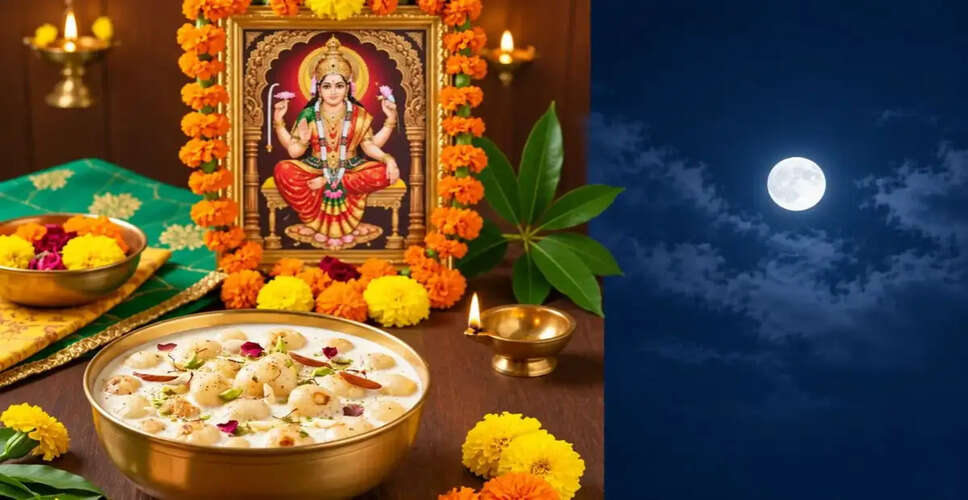
Sharad Purnima is a significant festival in Hindu culture, dedicated to the reverence of Goddess Lakshmi and the Moon. This occasion is an opportunity to seek joy and prosperity. Various traditional rituals are observed during this time, believed to foster peace and happiness in households. Let's delve into the worship practices associated with Sharad Purnima, the custom of making *kheer* (rice pudding), and the ways to attract the blessings of Goddess Lakshmi.
When is Sharad Purnima Celebrated?
Celebration Date
According to the *Panchang* (Hindu calendar), the *Trayodashi Tithi* (thirteenth day) of the *Shukla Paksha* (bright fortnight) in the month of *Ashwin* falls on October 24, 2026, with Sharad Purnima being observed on October 25. It is believed that worshipping Goddess Lakshmi and Lord Vishnu on this day brings joy and prosperity. Evening prayers and *mantra* chanting are considered particularly auspicious.
Rituals for Invoking Goddess Lakshmi's Blessings
On the evening of Sharad Purnima, devotees should worship Goddess Lakshmi and Lord Kubera at their home altar, adhering to traditional rituals. Lighting a *diya* (lamp), offering flowers, and praying for family happiness and prosperity are essential practices.
Reciting the *Shri Sukta*, *Lakshmi Sukta*, and *Vishnu Sahasranama* during this time is deemed auspicious. Devotees believe that chanting these *mantras* with sincerity brings tranquility and helps in receiving Goddess Lakshmi's blessings. Additionally, placing silver coins and seven *kaudis* (cowrie shells) during the worship is customary. Offering turmeric and saffron to these items and praying for wealth and abundance is encouraged. After the rituals, these offerings can be stored safely in a *tijori* (vault).
Worshipping the *Shri Yantra* on this day is also considered beneficial. During the ritual, devotees meditate on Goddess Lakshmi and recite the *Shri Sukta*, which is believed to invite positivity and prosperity into their homes.
The Tradition of Preparing Kheer
Why Kheer?
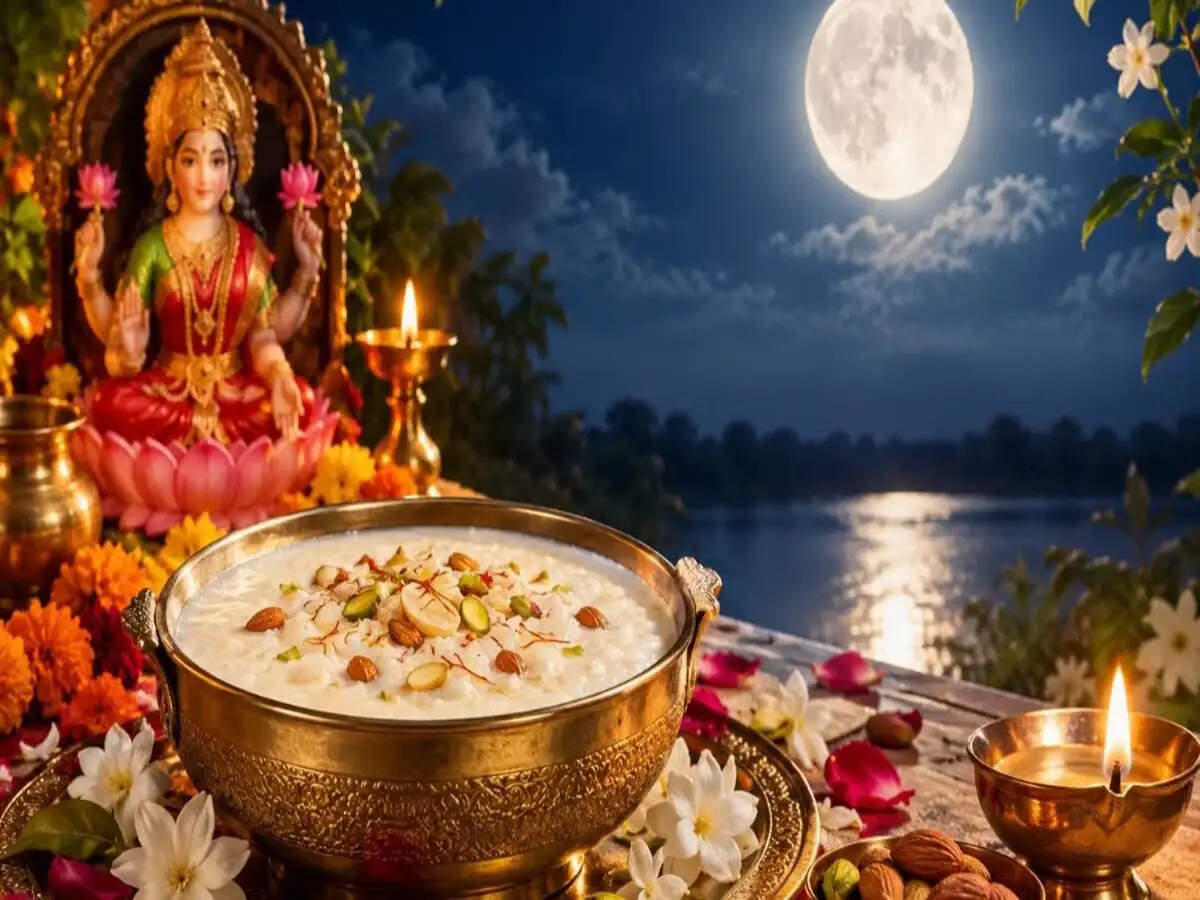
On Sharad Purnima, it is a tradition to prepare *kheer* (a rice pudding made with milk) and place it under the moonlight. This night is believed to be when the moon is at its fullest, embodying all sixteen phases (*solah kala*), and its rays are thought to possess qualities similar to *amrit* (nectar). Following this belief, the *kheer* is left outside overnight and later consumed as *prasad* (sanctified offering). Additionally, consuming milk-based *kheer* during seasonal transitions is a long-standing aspect of traditional Indian dietary customs. However, the belief that the moon's rays enhance the *kheer* with medicinal properties is rooted in faith rather than scientific evidence.
Religious Importance of Sharad Purnima
Significance of the Festival
Sharad Purnima, also referred to as Kojagiri Purnima, is a night of great importance for worshipping Goddess Lakshmi and engaging in *jagaran* (staying awake in devotion). Devotees pray for wealth, happiness, peace, and the welfare of their families. Observing rituals with faith, assisting those in need, and celebrating with family are seen as highly auspicious. Beyond the rituals, embracing values such as cleanliness, self-discipline, and service enriches the festival's spirit.
Connect with Us
PC Social Media