
Celebrating Radhashtami: Fasting Guidelines and Rituals
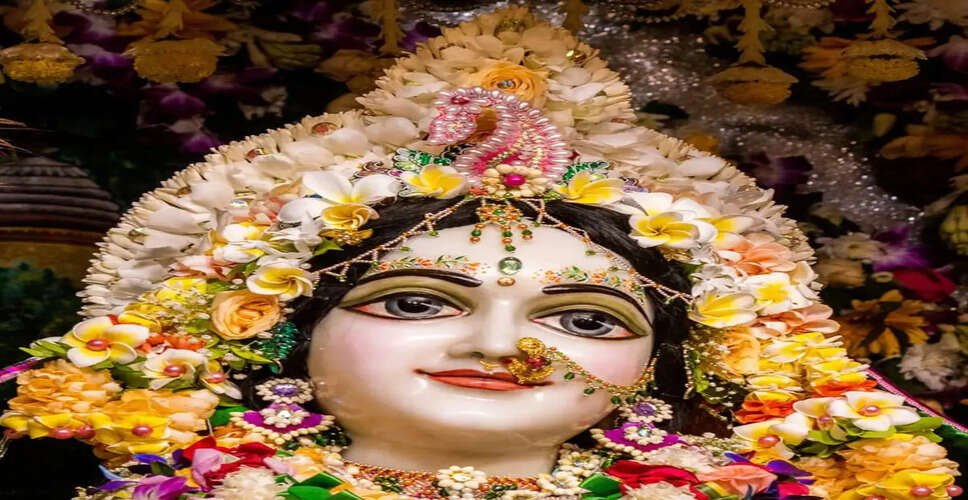

Radhashtami Fasting and Dietary Guidelines
Radhashtami Celebration: The joyous festival of Radhashtami will be observed with great enthusiasm throughout the Braj region, including Barsana, on Saturday, September 19. This occasion marks the appearance day of Radha Rani, celebrated precisely 15 days after Janmashtami, on the *Ashtami* (eighth day) of the *Shukla Paksha* (waxing phase of the moon) in Bhadrapada.
On this day, devotees engage in worship of Radha-Krishna and may choose to fast or consume only *Phalahar* (foods suitable for fasting) based on their devotion. It is believed that the fast observed on Krishna Janmashtami is not complete without the observance of Radhashtami. There are specific dietary rules to follow during the Radhashtami fast, and it is essential to adhere to these guidelines. Let’s explore what is recommended and what should be avoided during Radhashtami...
Radhashtami Fast 2026 Details
Start of *Ashtami Tithi*: September 18, around 1:00 PM
End of *Ashtami Tithi*: September 19, until 3:26 PM
According to *Udaya Tithi* (the date of sunrise), the Radhashtami fast will be observed on Saturday, September 19, coinciding with the commencement of the 16-day Mahalakshmi fast.
Recommended Practices for the Radhashtami Fast
Rise early, take a bath, and dress in clean attire.
Clean the home shrine and perform worship for Radha-Krishna.
Present flowers, garlands, sandalwood paste, *kumkum* (vermilion), and adornments (*shringar*) to Radha Rani.
Make a vow to observe the fast or consume only *Phalahar* in accordance with your tradition.
Permissible foods include fruits, milk, curd, *makhana* (fox nuts), *sabudana* (sago), and dishes made from *kuttu* (buckwheat) or *singhara* (water chestnut) flour.
Stay Hydrated During the Fast
Ensure to drink water and fluids as needed throughout the fast.
Listen to mantras, *bhajans* (devotional songs), and stories about Radha-Krishna.
Donate food, fruits, or other items to those in need as per your ability.
In the evening, perform *Aarti* for Radha-Krishna and break the fast following traditional practices.
Prohibited Actions During the Radhashtami Fast
Avoid consuming grains, lentils, rice, or regular salt if these are restricted in your fasting tradition.
Completely refrain from non-vegetarian food and alcohol. Many households also avoid onions and garlic.
It is believed that one should maintain a calm demeanor, avoiding anger, disputes, and negative language throughout the day.
Do not use stale or impure ingredients in worship rituals.
Limit the intake of deep-fried or excessively sweet foods as part of the *falahar* (fasting diet).
If feeling unwell, consult a healthcare professional before undertaking a strict fast without water (*nirjala vrat*).
Permissible Foods During the Fast
Devotees typically consume fruits, milk, curd, fox nuts (*makhana*), sago (*sabudana*), and dishes made from water chestnut flour (*singhara*) or buckwheat flour (*kuttu*). Rock salt (*sendha namak*) is often used in many fasting practices. Staying hydrated with coconut water, milk, and sufficient water is also beneficial. Foods like *sabudana khichdi*, *kuttu* flatbread (*roti*), and *makhana kheer* are suitable for consumption during the fast.
Foods to Avoid During the Fast
During Radhashtami, common salt, wheat, rice, lentils (*dal*), chickpeas (*chana*), non-vegetarian food, and various grains are typically not consumed. Many also abstain from onions and garlic. Always check the ingredients of packaged fasting foods available in stores.
Significance of Radhashtami
According to tradition, Radharani symbolizes love, devotion, and surrender. On Radhashtami, devotees fast and worship Radha-Krishna following specific rituals. It is believed that honoring Radharani nurtures love and devotion within the devotee's heart. Radhashtami is particularly significant in the Braj region's traditions. On this day, Radharani is beautifully adorned in temples, and rituals such as *Abhishek* (ceremonial bathing), *Bhajan-Kirtan* (devotional singing), and *Aarti* are performed. A large gathering of devotees in Barsana celebrates Radharani's birth anniversary with great fervor.
PC Social Media