
Celebrating Nag Panchami 2026: Traditions and Significance Across India

Understanding Nag Panchami
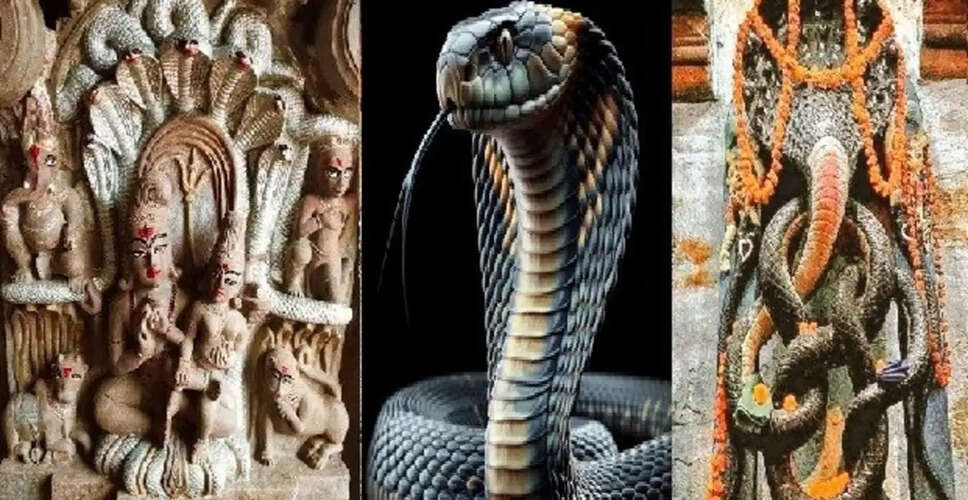
Nag Panchami 2026: This significant festival in Hinduism occurs on the *Panchami Tithi* (fifth day) of the *Shukla Paksha* (waxing moon phase) during the month of *Sawan*. It is a day dedicated to honoring the Serpent Deity (*Nag Devta*). Various customs and beliefs surrounding Nag Panchami can be found across different regions of India; while some communities engage in special prayers and fasting, others host religious events and fairs at temples.
Unique Celebrations Across India
Celebrations of Nag Panchami at various prominent religious sites in India are known for their distinctive traditions. Age-old customs associated with this festival can still be observed in places like Ujjain, Nagpur, and Uttar Pradesh. On this auspicious day, devotees pay homage to the Serpent Deity, seeking happiness, prosperity, and the welfare of their families. Nag Panchami is a festival that is deeply intertwined with both religious beliefs and Indian cultural heritage.
Nag Panchami in Ujjain
Special Significance of Nag Panchami in Ujjain
The Nag Panchami festivities in Ujjain are among the most celebrated in the nation. The doors of the Nagchandreshwar Temple, situated within the Mahakaleshwar Temple complex, are opened to the public exclusively on this day. This temple is home to a unique idol of Lord Shiva and Goddess Parvati, depicted seated on a serpent's coil (*Nag Shayya*).
According to tradition, *Nagraj Takshak* (the King of Serpents) performed penance for Lord Shiva and, upon receiving a boon, made the *Mahakal* region his abode. This belief lends great importance to the special worship and *darshan* (viewing of the deity) on Nag Panchami.
Nag Panchami Celebrations in Nagpur
Special Worship of the Serpent Deity in Nagpur
Nag Panchami is also celebrated traditionally in Nagpur. The city features several serpent temples, with the *Nagoba* Temple in the *Mahal* area being one of the most significant. Many devotees flock to these temples during the festival.
In Nagpur and the surrounding Vidarbha region, families often create images or drawings of the Serpent Deity on this day. Additionally, there is a custom of preparing traditional dishes and *Kadai* *Prasad* (a special offering cooked in a large wok) at home. In rural areas, it is common to refrain from certain agricultural activities on this day.
Nag Panchami in Other Parts of Maharashtra
In Maharashtra, Nag Panchami is celebrated as a blend of religious observance and folk culture. In various locations, idols or images of the Serpent Deity (Nag Devta) are worshipped, while in some rural communities, there is a tradition of honoring *Varul*—the mounds or burrows where snakes reside. Women typically observe a fast and pray for the happiness, prosperity, and safety of their families.
Celebration of Nag Panchami in Uttar Pradesh
How is Nag Panchami Celebrated in UP?
In Uttar Pradesh, Nag Panchami is observed with great reverence and traditional practices. On this day, after taking a morning bath, families worship the Serpent Deity at home. It is customary in many areas to draw an image of the Serpent Deity on the door or wall of the house, offering turmeric, *roli* (vermilion), rice, and flowers. Devotees also present milk and sweets to the deity, praying for their family's well-being and prosperity.